THE ADVENTURE COLLECTIVE® · Independent discovery and booking for outdoor travel

A short boat ride off Kona becomes a stage for giant manta rays under neon lights—an intimate, guided night snorkel where plankton draws these gentle giants within arm’s reach. Learn what to expect and how to prepare for a safe, unforgettable encounter.
A short boat ride off Kona becomes a stage for giant manta rays under neon lights—an intimate, guided night snorkel where plankton draws these gentle giants within arm’s reach. Learn what to expect and how to prepare for a safe, unforgettable encounter.
You step off the stern into warm, ink-black water; lights from the boat stitch a soft halo, and the ocean answers with a slow, patient pull. Minutes later a shadow the size of a truck unrolls beneath you—an adult manta glides in, wings sweeping plank-like arcs as plankton lanterns cling to its mouth. The animals don’t flit away; they inspect, feed, and perform slow-motion turns as currents nudge them into the light.
Verified experiences and guided adventures in the surrounding area.
Operated by Hang Loose Boat Tours · Kailua-Kona, Hawaii
You step off the stern into warm, ink-black water; lights from the boat stitch a soft halo, and the ocean answers with a slow, patient pull. Minutes later a shadow the size of a truck unrolls beneath you—an adult manta glides in, wings sweeping plank-like arcs as plankton lanterns cling to its mouth. The animals don’t flit away; they inspect, feed, and perform slow-motion turns as currents nudge them into the light.
The Kona coast has a long history of deep-water currents and nutrient upwelling created where offshore reefs drop quickly to abyssal slopes—ideal for plankton blooms that attract filter feeders. Native Hawaiians recognized night sea life in oral traditions, and modern manta viewing on the Big Island evolved from local guides using low-light rigs to concentrate plankton and make safe up-close encounters possible.
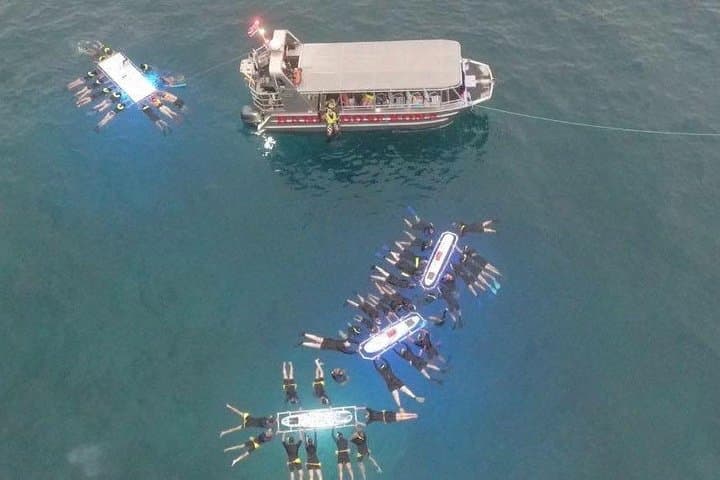
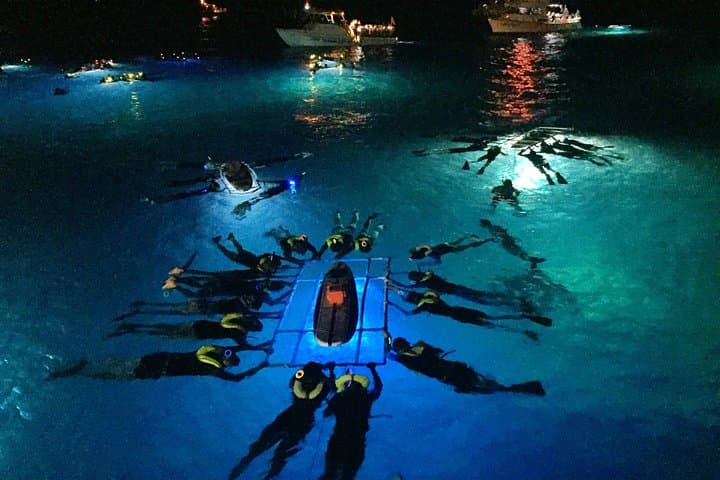
Expect a short boat ride from Kailua-Kona, a calm night roster of passenger radios and briefing, then entry by ladder into warm 75–80°F water. The experience is equal parts wildlife viewing and technical snorkeling: mantas feed in predictable spots, but you must be relaxed, buoyant, and respectful—do not touch, shine lights into eyes, or chase the animals.
Practical tips: arrive hydrated and fed, layer a wetsuit top for overnight chills, and practice mask clearing before entry. Operators typically provide snorkel gear, flotation, bottled water, and live commentary. Ages and health limits apply; the operator enforces safety and may refuse intoxicated guests. Book an evening slot, expect 2–3 hours total, and leave space in your trip for this singular, low-light ocean encounter.
moderate.
2–3 hours.
Moderate fitness; able to swim, tread water, and climb a short ladder from the water
Yes—operators require that participants be comfortable swimming and snorkeling; there are no lessons conducted during the tour.
Sightings are very likely at Kona sites and many operators offer a sighting guarantee, but tours can be canceled for weather or rough seas.
Minimum age is usually around 2 with restrictions up to 70; non-swimmers can sometimes ride-along on flotation devices—check with the operator for specific options.
Guides provide a full briefing, require proper gear, monitor alcohol/intoxication, and may refuse participation for health or safety reasons.
Kona’s steep offshore drop-offs and historical Hawaiian navigation made the coast a reliable place to find deep-water life; modern night viewing began with local guides using lights to aggregate plankton.
Operators follow strict no-touch and no-flash policies to minimize disturbance; choose licensed guides who use LED rigs positioned responsibly to avoid disrupting feeding behavior.
Hang Loose Boat Tours operates guided outdoor trips and adventures with an emphasis on safety, stewardship, and memorable experiences.
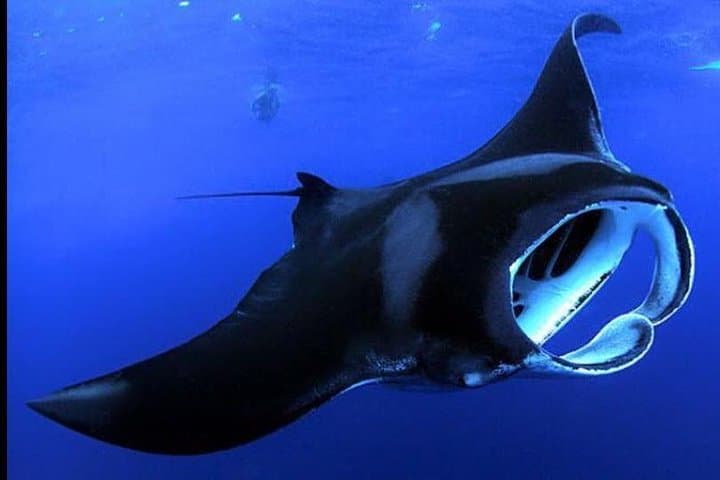
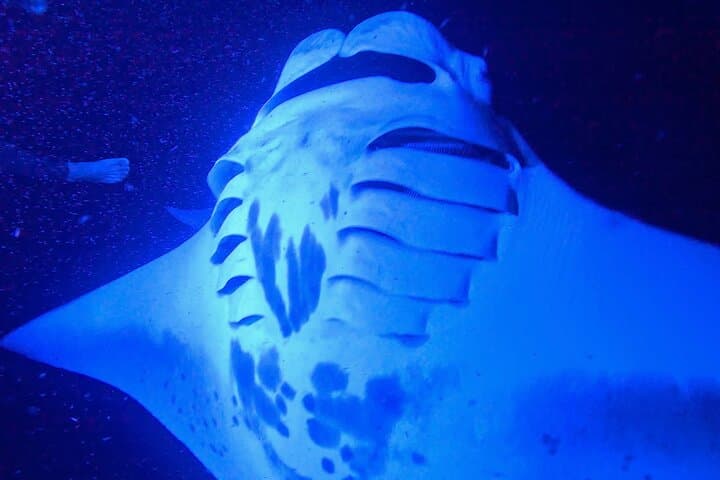
You step off the stern into warm, ink-black water; lights from the boat stitch a soft halo, and the ocean answers with a slow, patient pull. Minutes later a shadow the size of a truck unrolls beneath you—an adult manta glides in, wings sweeping plank-like arcs as plankton lanterns cling to its mouth. The animals don’t flit away; they inspect, feed, and perform slow-motion turns as currents nudge them into the light.
You step off the stern into warm, ink-black water; lights from the boat stitch a soft halo, and the ocean answers with a slow, patient pull. Minutes later a shadow the size of a truck unrolls beneath you—an adult manta glides in, wings sweeping plank-like arcs as plankton lanterns cling to its mouth. The animals don’t flit away; they inspect, feed, and perform slow-motion turns as currents nudge them into the light.
The Kona coast has a long history of deep-water currents and nutrient upwelling created where offshore reefs drop quickly to abyssal slopes—ideal for plankton blooms that attract filter feeders. Native Hawaiians recognized night sea life in oral traditions, and modern manta viewing on the Big Island evolved from local guides using low-light rigs to concentrate plankton and make safe up-close encounters possible.
Expect a short boat ride from Kailua-Kona, a calm night roster of passenger radios and briefing, then entry by ladder into warm 75–80°F water. The experience is equal parts wildlife viewing and technical snorkeling: mantas feed in predictable spots, but you must be relaxed, buoyant, and respectful—do not touch, shine lights into eyes, or chase the animals.
Practical tips: arrive hydrated and fed, layer a wetsuit top for overnight chills, and practice mask clearing before entry. Operators typically provide snorkel gear, flotation, bottled water, and live commentary. Ages and health limits apply; the operator enforces safety and may refuse intoxicated guests. Book an evening slot, expect 2–3 hours total, and leave space in your trip for this singular, low-light ocean encounter.