THE ADVENTURE COLLECTIVE® · Independent discovery and booking for outdoor travel

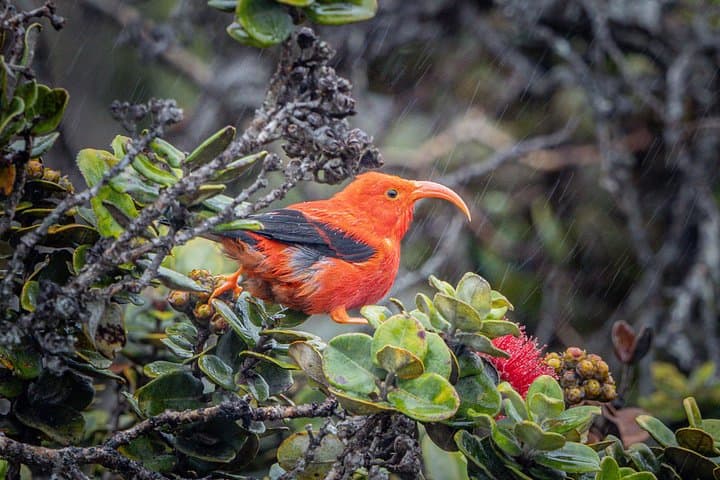
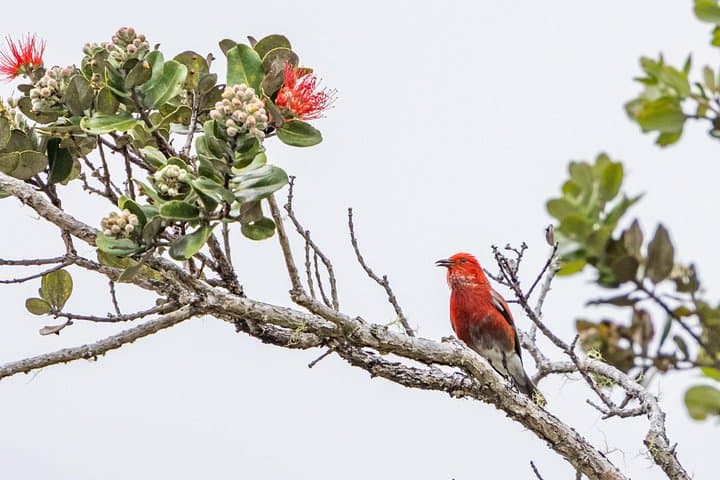
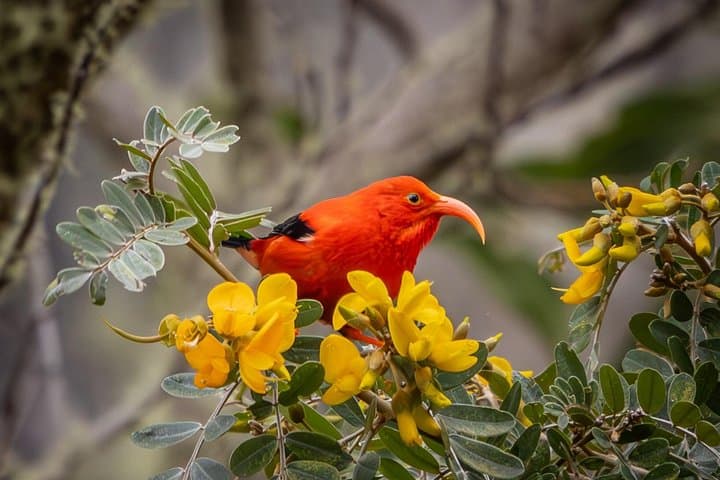
Spend a full day chasing endemic Hawaiian birds from high-elevation forests to lush reserves on the Big Island. Expert naturalists guide short hikes and focused viewing to maximize sightings of honeycreepers, ʻApapane and other island specialists.
Spend a full day chasing endemic Hawaiian birds from high-elevation forests to lush reserves on the Big Island. Expert naturalists guide short hikes and focused viewing to maximize sightings of honeycreepers, ʻApapane and other island specialists.
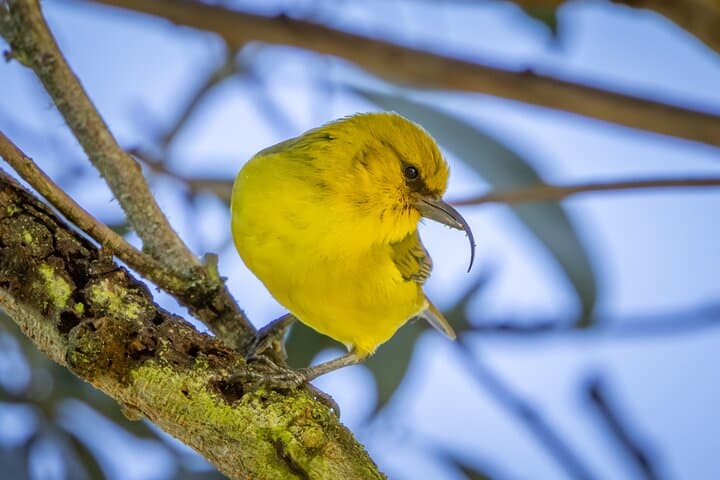
Morning light spills across the Saddle Road as the van climbs toward the island’s high forests, and the first bursts of song come from understory thickets. On the Big Island birdwatching tour you move from lowland humidity into cooler, moss-draped ʻōhiʻa and koa stands where honeycreepers and amakihi flit just beyond reach of the sunlight.
Verified experiences and guided adventures in the surrounding area.
Operated by Big Island Backroad Adventures · Hilo, Hawaii
Morning light spills across the Saddle Road as the van climbs toward the island’s high forests, and the first bursts of song come from understory thickets. On the Big Island birdwatching tour you move from lowland humidity into cooler, moss-draped ʻōhiʻa and koa stands where honeycreepers and amakihi flit just beyond reach of the sunlight.
Geology here shapes the birds’ world: volcanic soils, steep drainages and elevation gradients create distinct forest bands that support species found nowhere else. Guides point out how adaptive radiation produced the curved bills and bright plumage of honeycreepers, and relate quieter threads of Hawaiian culture — traditional place names, stewardship by local communities, and the long effort to protect fragile forest pockets.
Expect 2–3 miles of walking on uneven, sometimes muddy trails at high elevations. Stops are chosen day-of — common access points include Mauna Kea Forest Reserve, Upper Waiakea and Hilo Forest Reserve — so species seen vary with weather and recent rainfall.
Practically, come layered and mobile: mornings at altitude can be cool and damp, while lower sections warm quickly. Guides supply binoculars, trekking poles, snacks and a picnic lunch; they’ll also share digital photos taken with large-zoom lenses. The tour is best for those with moderate fitness who can manage rocky steps and short hill climbs.
If your aim is endemic birds in relatively compact habitat, this full-day naturalist-led route is a focused, practical way to experience Hawaii’s unique avifauna while learning the ecological and cultural context that makes these forests worth protecting.
moderate.
9 hours.
Moderate — able to walk 2–3 miles on uneven terrain and handle short elevation changes
Expect dozens of individual birds and several endemic species—sightings depend on season, elevation and weather, with honeycreepers, ʻApapane and amakihi among common targets.
Yes if they can walk 2–3 miles on uneven ground; guides can adapt pace and stops to ability — disclose needs at booking.
Binoculars and some photography equipment are provided, but many guests bring personal optics and cameras for convenience.
The operator may cancel for heavy rain or unsafe conditions; refunds are available if canceled at least 24 hours prior per policy.
Forests on Mauna Kea and Hilo slopes were traditionally managed by native Hawaiians for resources and cultural sites; modern reserves protect both biodiversity and cultural heritage.
Many endemic birds face threats from habitat loss, invasive species and avian disease; responsible tours limit disturbance, stick to trails and support local conservation efforts.
Big Island Backroad Adventures operates guided outdoor trips and adventures with an emphasis on safety, stewardship, and memorable experiences.
Morning light spills across the Saddle Road as the van climbs toward the island’s high forests, and the first bursts of song come from understory thickets. On the Big Island birdwatching tour you move from lowland humidity into cooler, moss-draped ʻōhiʻa and koa stands where honeycreepers and amakihi flit just beyond reach of the sunlight.
Morning light spills across the Saddle Road as the van climbs toward the island’s high forests, and the first bursts of song come from understory thickets. On the Big Island birdwatching tour you move from lowland humidity into cooler, moss-draped ʻōhiʻa and koa stands where honeycreepers and amakihi flit just beyond reach of the sunlight.
Geology here shapes the birds’ world: volcanic soils, steep drainages and elevation gradients create distinct forest bands that support species found nowhere else. Guides point out how adaptive radiation produced the curved bills and bright plumage of honeycreepers, and relate quieter threads of Hawaiian culture — traditional place names, stewardship by local communities, and the long effort to protect fragile forest pockets.
Expect 2–3 miles of walking on uneven, sometimes muddy trails at high elevations. Stops are chosen day-of — common access points include Mauna Kea Forest Reserve, Upper Waiakea and Hilo Forest Reserve — so species seen vary with weather and recent rainfall.
Practically, come layered and mobile: mornings at altitude can be cool and damp, while lower sections warm quickly. Guides supply binoculars, trekking poles, snacks and a picnic lunch; they’ll also share digital photos taken with large-zoom lenses. The tour is best for those with moderate fitness who can manage rocky steps and short hill climbs.
If your aim is endemic birds in relatively compact habitat, this full-day naturalist-led route is a focused, practical way to experience Hawaii’s unique avifauna while learning the ecological and cultural context that makes these forests worth protecting.