THE ADVENTURE COLLECTIVE® · Independent discovery and booking for outdoor travel

Head offshore from Black River for a full-day big-game fishing trip that targets marlin, tuna and large pelagic species. Expect long trolling runs, possible dolphin encounters, and a November–April peak for marlin action.
Head offshore from Black River for a full-day big-game fishing trip that targets marlin, tuna and large pelagic species. Expect long trolling runs, possible dolphin encounters, and a November–April peak for marlin action.
A strip of turquoise opens to a wide, restless ocean as the boat slips from Black River's shoreline. Salted wind pushes past the rails and the skipper points to a scatter of birds working the surface — the first clue that big fish are near. The boat hums into trolling speed, lures flashing, and the long ribbon of the west coast falls away.
Verified experiences and guided adventures in the surrounding area.
Operated by JPH Charters (Point of embarkation) · Black River, Rivière Noire District
A strip of turquoise opens to a wide, restless ocean as the boat slips from Black River's shoreline. Salted wind pushes past the rails and the skipper points to a scatter of birds working the surface — the first clue that big fish are near. The boat hums into trolling speed, lures flashing, and the long ribbon of the west coast falls away.
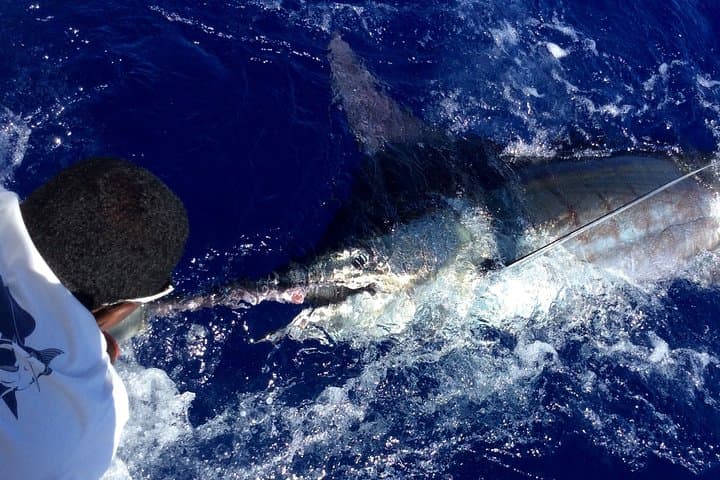
Mauritius's west coast has been a fishing ground for centuries, shaped by volcanic geology that drops quickly to deeper water a few miles offshore. Currents and underwater ledges concentrate tuna and pelagic predators; the seasonality of those currents makes November–April the prime window for blue and black marlin. Local crews combine island knowledge with modern tackle and a respect for the sea; marlin and large sharks are commonly handled with catch-and-release protocols.
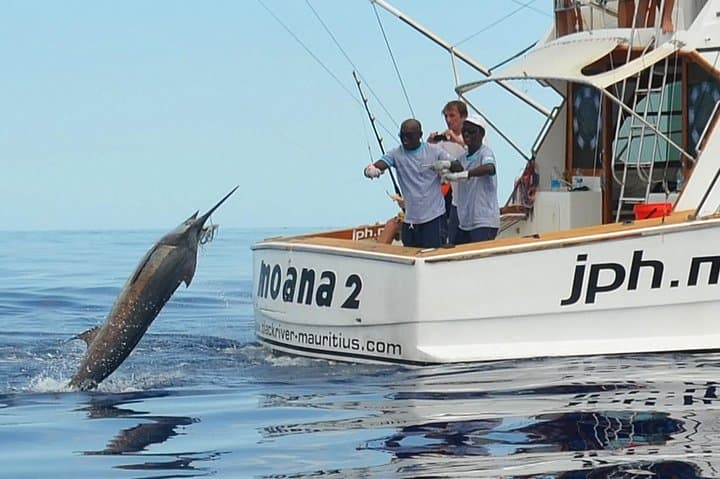
Expect a day that blends patience and adrenaline: hours of trolling punctuated by sudden, violent runs. Dolphins often ride the bow and distant whale spouts are possible in migration months. The boat typically fishes 1–15 km offshore over mixed depths; anglers are encouraged to participate in rod setting and fighting under skipper supervision.
Practical edge: bring sun protection and motion-sickness meds, wear non-slip shoes and layered wind protection, and hydrate — a 9-hour trip is long on the water. Ask the operator in advance about camera protection, fish-care practices, and whether you want to target tuna for a shore-side meal. Respect the crew's guidance on safety and release procedures to keep this fishery healthy for the next trip.
moderate.
8–9 hours.
Suitable for people in light to moderate physical condition; fighting a large fish requires short bursts of strength and endurance.
No — the skipper outfits the boat and rigs lures; basic rod handling is helpful but staff will guide you through fights.
Blue and black marlin are most active from November through April, when warmer currents increase pelagic activity.
Operators commonly practice catch-and-release for marlin and sharks; policies for other species vary, so confirm with the operator before the trip.
Many operators can accommodate children and offer accessible boarding, but confirm specifics and any safety restrictions when booking.
Mauritius’s fishing traditions mix Indian Ocean seafaring with Creole and French-influenced coastal culture; offshore trolling became popular with sport anglers in the 20th century.
Local operators emphasize catch-and-release for marlin and sharks and encourage minimizing plastic use and following handling best practices to reduce stress on released fish.
JPH Charters (Point of embarkation) operates guided outdoor trips and adventures with an emphasis on safety, stewardship, and memorable experiences.
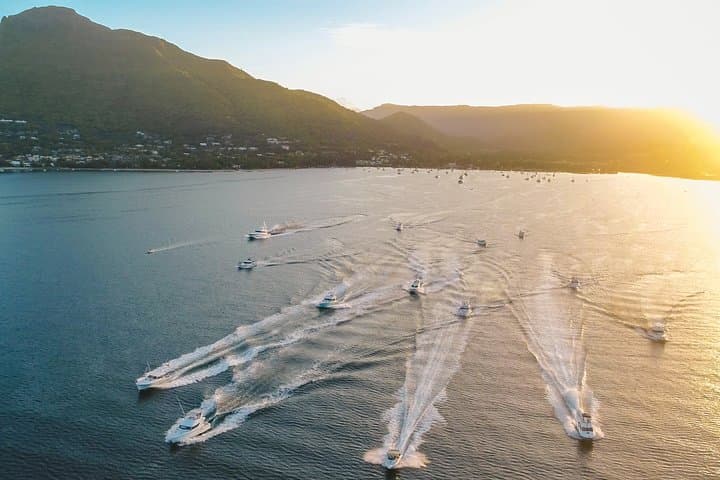
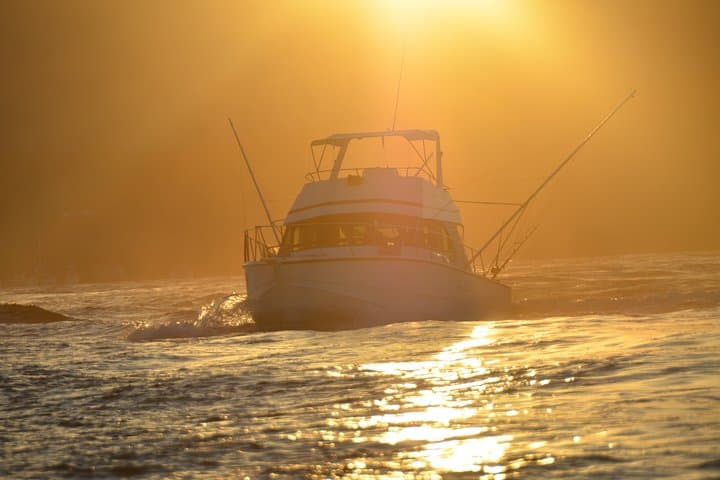
A strip of turquoise opens to a wide, restless ocean as the boat slips from Black River's shoreline. Salted wind pushes past the rails and the skipper points to a scatter of birds working the surface — the first clue that big fish are near. The boat hums into trolling speed, lures flashing, and the long ribbon of the west coast falls away.
A strip of turquoise opens to a wide, restless ocean as the boat slips from Black River's shoreline. Salted wind pushes past the rails and the skipper points to a scatter of birds working the surface — the first clue that big fish are near. The boat hums into trolling speed, lures flashing, and the long ribbon of the west coast falls away.
Mauritius's west coast has been a fishing ground for centuries, shaped by volcanic geology that drops quickly to deeper water a few miles offshore. Currents and underwater ledges concentrate tuna and pelagic predators; the seasonality of those currents makes November–April the prime window for blue and black marlin. Local crews combine island knowledge with modern tackle and a respect for the sea; marlin and large sharks are commonly handled with catch-and-release protocols.
Expect a day that blends patience and adrenaline: hours of trolling punctuated by sudden, violent runs. Dolphins often ride the bow and distant whale spouts are possible in migration months. The boat typically fishes 1–15 km offshore over mixed depths; anglers are encouraged to participate in rod setting and fighting under skipper supervision.
Practical edge: bring sun protection and motion-sickness meds, wear non-slip shoes and layered wind protection, and hydrate — a 9-hour trip is long on the water. Ask the operator in advance about camera protection, fish-care practices, and whether you want to target tuna for a shore-side meal. Respect the crew's guidance on safety and release procedures to keep this fishery healthy for the next trip.