THE ADVENTURE COLLECTIVE® · Independent discovery and booking for outdoor travel

Trade steep slopes for a gentle, stroller-friendly woodland walk in Big Bear Valley. This 90-minute family hike mixes hands-on nature lessons, local history, and a warming cup of hot chocolate or lemonade.
Trade steep slopes for a gentle, stroller-friendly woodland walk in Big Bear Valley. This 90-minute family hike mixes hands-on nature lessons, local history, and a warming cup of hot chocolate or lemonade.
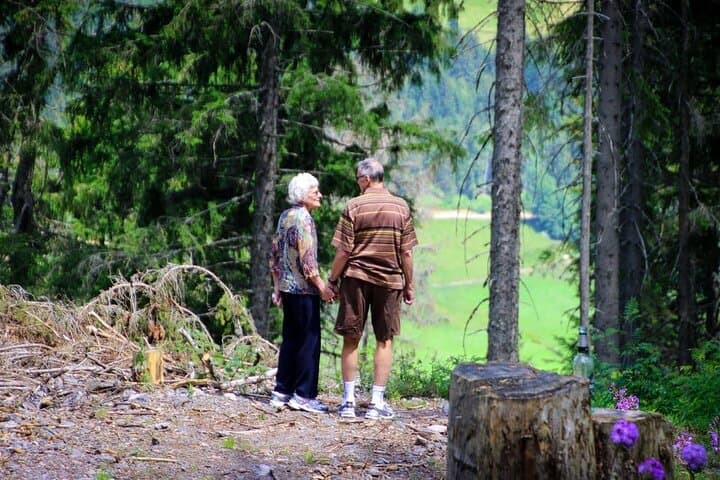
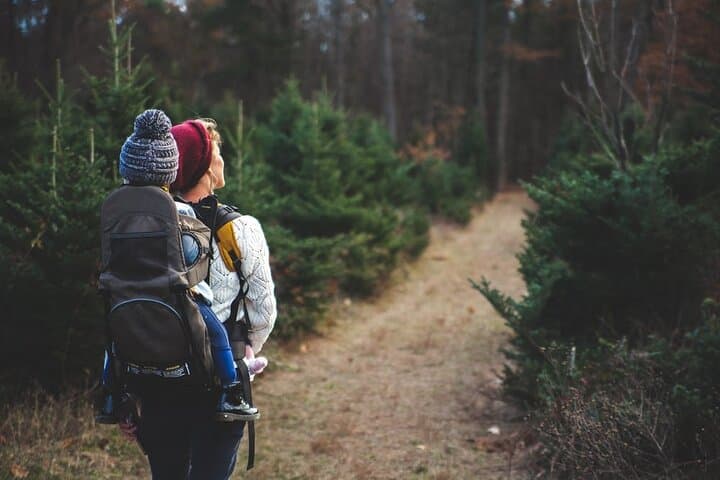
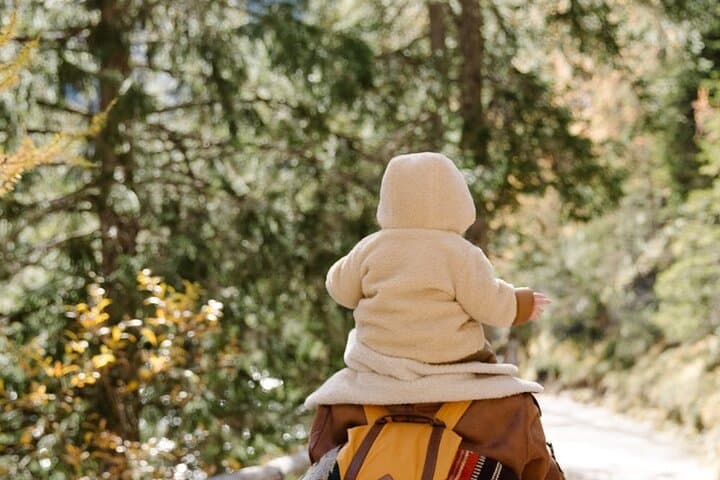
Stroller wheels whisper over a soft, needle-strewn path as a guide in a black Subaru leads a small group from the junction of Tulip Lane and Mill Creek into a pocket of alpine forest. Pines lean like patient teachers; sunlight threads through high limbs and dots the trail with warm coins. Children crouch to study caterpillars and butterfly wings while steam curls from cups of hot chocolate—simple comforts that make learning outside feel like play.
Verified experiences and guided adventures in the surrounding area.
Operated by Amber Holloway · Big Bear Lake, California
Stroller wheels whisper over a soft, needle-strewn path as a guide in a black Subaru leads a small group from the junction of Tulip Lane and Mill Creek into a pocket of alpine forest. Pines lean like patient teachers; sunlight threads through high limbs and dots the trail with warm coins. Children crouch to study caterpillars and butterfly wings while steam curls from cups of hot chocolate—simple comforts that make learning outside feel like play.
This is Big Bear Valley at shoulder season elevation—roughly 6,700–6,800 feet—where the San Bernardino Mountains press up from the Mojave and create a high bowl of mixed-conifer forest. The valley’s human story stretches back to the Serrano people, who for millennia moved through these slopes hunting and collecting pine nuts. A century ago miners and homesteaders reshaped pockets of the landscape; now local families and long-time guides keep knowledge alive by showing kids how to read tracks or recognize owl pellets.
Geologically, the trail runs over granitic soils and glacially influenced benches; you’ll see rounded boulders and alluvial flats that remember colder, wetter eras. Culturally, this route is a neighborhood secret—walked mostly by locals and perfect for families who want a quiet, educational outing rather than a strenuous summit push.
Practical details matter: expect a gentle loop of about 1.5–2 miles with under 200 feet of elevation gain, mostly packed dirt with occasional roots. The pace is conversational—stops for natural history lessons, insect spotting, and a few low-slung rock scrambles for kids. Because the trail is stroller- and wheelchair-accessible in many sections, you can bring infants and small children in a pram; the guide can suggest the smoothest line.
Bring layered clothing—the mountain sun can flip to cold wind in minutes. Hydration is essential at this altitude even if the route is short. Shoes with good tread will save toddlers’ knees and grown-up nerves on the few rooty stretches. The tour includes a choice of hot chocolate or lemonade, perfect for warming up or cooling down depending on the season.
Timing is flexible: morning walks catch bird activity and softer light for photos; afternoons can be warmer and busier on holiday weekends. The guide is experienced with young groups and emphasizes Leave No Trace—teaching children to observe, not collect, and to respect wildlife like mule deer or jays that may glance from the branches.
For families who want an easy, instructive, and safe way into Big Bear’s forest, this hike is a practical introduction to mountain ecology and local history, with the kind of small moments — a butterfly landed on a child’s finger, an owl pellet opened like a detective’s clue — that turn an ordinary outing into a formative day outdoors.
easy.
1.5 hours.
Suitable for all fitness levels; families with toddlers should be comfortable walking short distances with frequent stops.
Many sections are stroller- and wheelchair-accessible and the guide will direct the smoothest route; some short detours may have roots or low rocks.
The hike is designed for families with infants to elementary-age children—activities are paced to keep young attention spans engaged.
Service animals are allowed; non-service pets are not recommended due to group dynamics and wildlife sensitivity.
The tour includes guided natural history interpretation, hands-on stops (owl pellets, tracks), and a choice of hot chocolate or lemonade.
Meet at the Tulip Lane and Mill Creek junction; the guide will be in a black Subaru SUV and will greet the group there.
Full refund if you cancel at least 24 hours before the scheduled start; the tour may be canceled for bad weather.
The Big Bear Valley was traditionally inhabited by the Serrano people; local guides often share indigenous place names and seasonal harvesting practices.
Trails here are managed for low-impact recreation; guides emphasize Leave No Trace and the area is recovering from past bark beetle and drought stress, so avoid disturbing dead trees.
Amber Holloway operates guided outdoor trips and adventures with an emphasis on safety, stewardship, and memorable experiences.

Stroller wheels whisper over a soft, needle-strewn path as a guide in a black Subaru leads a small group from the junction of Tulip Lane and Mill Creek into a pocket of alpine forest. Pines lean like patient teachers; sunlight threads through high limbs and dots the trail with warm coins. Children crouch to study caterpillars and butterfly wings while steam curls from cups of hot chocolate—simple comforts that make learning outside feel like play.
Stroller wheels whisper over a soft, needle-strewn path as a guide in a black Subaru leads a small group from the junction of Tulip Lane and Mill Creek into a pocket of alpine forest. Pines lean like patient teachers; sunlight threads through high limbs and dots the trail with warm coins. Children crouch to study caterpillars and butterfly wings while steam curls from cups of hot chocolate—simple comforts that make learning outside feel like play.
This is Big Bear Valley at shoulder season elevation—roughly 6,700–6,800 feet—where the San Bernardino Mountains press up from the Mojave and create a high bowl of mixed-conifer forest. The valley’s human story stretches back to the Serrano people, who for millennia moved through these slopes hunting and collecting pine nuts. A century ago miners and homesteaders reshaped pockets of the landscape; now local families and long-time guides keep knowledge alive by showing kids how to read tracks or recognize owl pellets.
Geologically, the trail runs over granitic soils and glacially influenced benches; you’ll see rounded boulders and alluvial flats that remember colder, wetter eras. Culturally, this route is a neighborhood secret—walked mostly by locals and perfect for families who want a quiet, educational outing rather than a strenuous summit push.
Practical details matter: expect a gentle loop of about 1.5–2 miles with under 200 feet of elevation gain, mostly packed dirt with occasional roots. The pace is conversational—stops for natural history lessons, insect spotting, and a few low-slung rock scrambles for kids. Because the trail is stroller- and wheelchair-accessible in many sections, you can bring infants and small children in a pram; the guide can suggest the smoothest line.
Bring layered clothing—the mountain sun can flip to cold wind in minutes. Hydration is essential at this altitude even if the route is short. Shoes with good tread will save toddlers’ knees and grown-up nerves on the few rooty stretches. The tour includes a choice of hot chocolate or lemonade, perfect for warming up or cooling down depending on the season.
Timing is flexible: morning walks catch bird activity and softer light for photos; afternoons can be warmer and busier on holiday weekends. The guide is experienced with young groups and emphasizes Leave No Trace—teaching children to observe, not collect, and to respect wildlife like mule deer or jays that may glance from the branches.
For families who want an easy, instructive, and safe way into Big Bear’s forest, this hike is a practical introduction to mountain ecology and local history, with the kind of small moments — a butterfly landed on a child’s finger, an owl pellet opened like a detective’s clue — that turn an ordinary outing into a formative day outdoors.