THE ADVENTURE COLLECTIVE® · Independent discovery and booking for outdoor travel

A short, high-altitude visit to Big Almaty Lake—its turquoise water framed by the Trans-Ili Alatau—offers easy shoreline walks, dramatic views and a taste of Kazakhstan’s alpine landscapes. Learn what to expect and how to prepare for the 5–6 hour tour.
A short, high-altitude visit to Big Almaty Lake—its turquoise water framed by the Trans-Ili Alatau—offers easy shoreline walks, dramatic views and a taste of Kazakhstan’s alpine landscapes. Learn what to expect and how to prepare for the 5–6 hour tour.
You crest the switchbacks and the city’s hum falls away; a stretch of raw ridgeline and cold air greets you before the lake appears—thin, high and impossibly turquoise at about 2,500 m. The water sits in a bowl of the Trans-Ili Alatau, its slopes holding last season’s scree and alpine grass, and the wind sketches ripples that dare you to get closer with a camera.
Verified experiences and guided adventures in the surrounding area.
Operated by Kazakhstan Guided Tours · Almaty, Almaty Region
You crest the switchbacks and the city’s hum falls away; a stretch of raw ridgeline and cold air greets you before the lake appears—thin, high and impossibly turquoise at about 2,500 m. The water sits in a bowl of the Trans-Ili Alatau, its slopes holding last season’s scree and alpine grass, and the wind sketches ripples that dare you to get closer with a camera.
The lake formed from seismic shifts that dammed a mountain stream, and today it sits inside Ile-Alatau National Park, a protected fragment of the Tien Shan range that has long provided Almaty with water and summer grazing. Nearby visitor infrastructure—the Ayusai Visitor Center and the First President Park viewpoint on the approach—gives context: maps, local guides, and a chance to warm up with hot tea before a shoreline walk.
Expect a short, mostly flat shoreline stroll with rocky footing; the road beyond the official gate has been closed to private cars since 2020, so access is typically on foot or with authorized vehicles. Guides often use SUVs and may need to cancel if the route is blocked.
Practical takeaways: plan for strong sun, sudden temperature drops and thin air—2500 m matters. Bring a windproof layer, sun protection, and enough water for a few hours. Photography windows are best mid-morning or late afternoon when low light brings out the lake’s depth. Respect park rules: stay on established paths, pack out waste, and avoid disturbing fragile alpine plants. With modest effort, you’ll leave having walked a high, cool rim of the Tien Shan and seen one of Almaty’s clearest mountain mirrors.
easy.
5–6 hours.
Suitable for most fitness levels; expect short walks on uneven rocky terrain at high altitude so basic stamina is useful
No; since March 2020 the access road is officially closed to private vehicles—most visitors reach the lake on foot or with authorized vehicles provided by tour operators.
Yes—Big Almaty Lake sits around 2,500 m. Most people tolerate it fine, but drink water, move slowly if you feel breathless, and avoid strenuous exertion on arrival.
National park entrance fees are typically included on organized tours; the Ayusai Visitor Center offers limited refreshments but bring snacks if you prefer more options.
Mid-morning and late afternoon produce the most dramatic colors and softer light; wind tends to pick up midday which can ripple the surface.
The lake was formed by seismic activity that dammed a mountain stream; it has long been an important water source and a recognizable natural symbol for Almaty.
Ile-Alatau National Park protects fragile alpine habitats; visitors should stay on paths, avoid trampling vegetation and pack out all garbage to limit impact.
Kazakhstan Guided Tours operates guided outdoor trips and adventures with an emphasis on safety, stewardship, and memorable experiences.
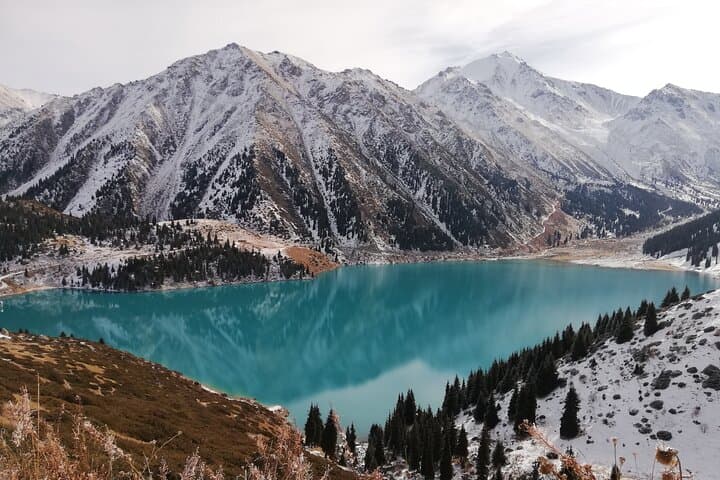
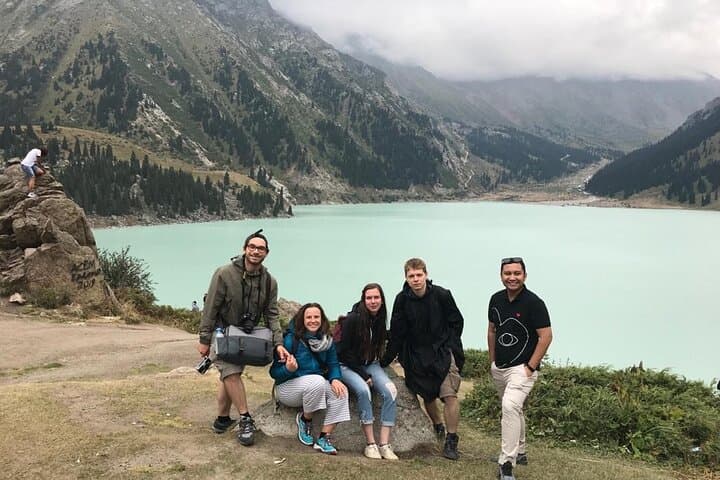
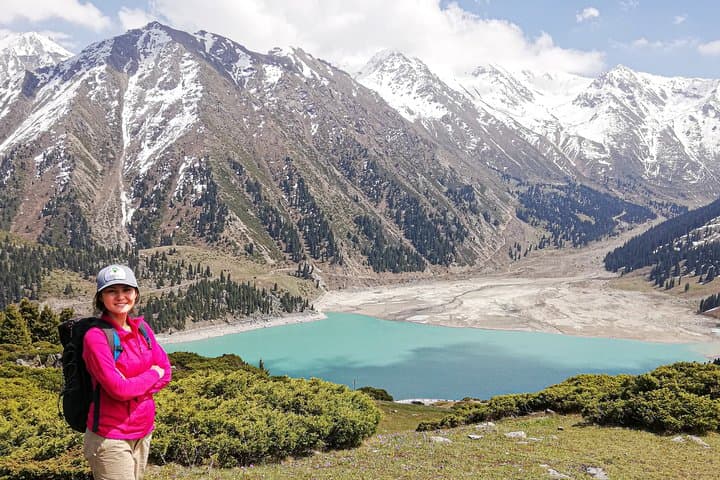
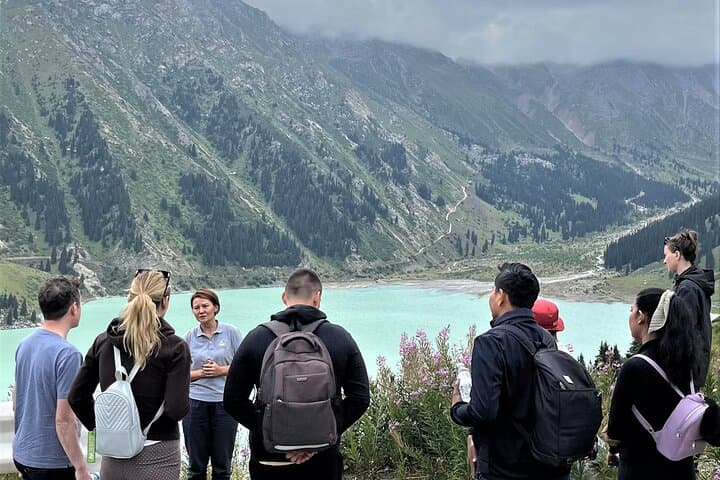
You crest the switchbacks and the city’s hum falls away; a stretch of raw ridgeline and cold air greets you before the lake appears—thin, high and impossibly turquoise at about 2,500 m. The water sits in a bowl of the Trans-Ili Alatau, its slopes holding last season’s scree and alpine grass, and the wind sketches ripples that dare you to get closer with a camera.
You crest the switchbacks and the city’s hum falls away; a stretch of raw ridgeline and cold air greets you before the lake appears—thin, high and impossibly turquoise at about 2,500 m. The water sits in a bowl of the Trans-Ili Alatau, its slopes holding last season’s scree and alpine grass, and the wind sketches ripples that dare you to get closer with a camera.
The lake formed from seismic shifts that dammed a mountain stream, and today it sits inside Ile-Alatau National Park, a protected fragment of the Tien Shan range that has long provided Almaty with water and summer grazing. Nearby visitor infrastructure—the Ayusai Visitor Center and the First President Park viewpoint on the approach—gives context: maps, local guides, and a chance to warm up with hot tea before a shoreline walk.
Expect a short, mostly flat shoreline stroll with rocky footing; the road beyond the official gate has been closed to private cars since 2020, so access is typically on foot or with authorized vehicles. Guides often use SUVs and may need to cancel if the route is blocked.
Practical takeaways: plan for strong sun, sudden temperature drops and thin air—2500 m matters. Bring a windproof layer, sun protection, and enough water for a few hours. Photography windows are best mid-morning or late afternoon when low light brings out the lake’s depth. Respect park rules: stay on established paths, pack out waste, and avoid disturbing fragile alpine plants. With modest effort, you’ll leave having walked a high, cool rim of the Tien Shan and seen one of Almaty’s clearest mountain mirrors.