THE ADVENTURE COLLECTIVE® · Independent discovery and booking for outdoor travel

A compact, two-day route that moves from mossy, high-elevation pine forest into rolling Phuoc Binh grasslands and ends in Ta Giang village. Expect 22 km of varied terrain, one night of camping, and close encounters with regional biodiversity.
A compact, two-day route that moves from mossy, high-elevation pine forest into rolling Phuoc Binh grasslands and ends in Ta Giang village. Expect 22 km of varied terrain, one night of camping, and close encounters with regional biodiversity.
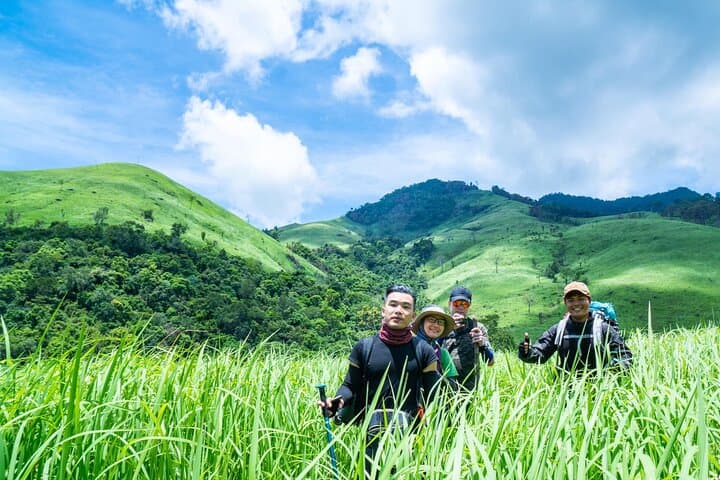
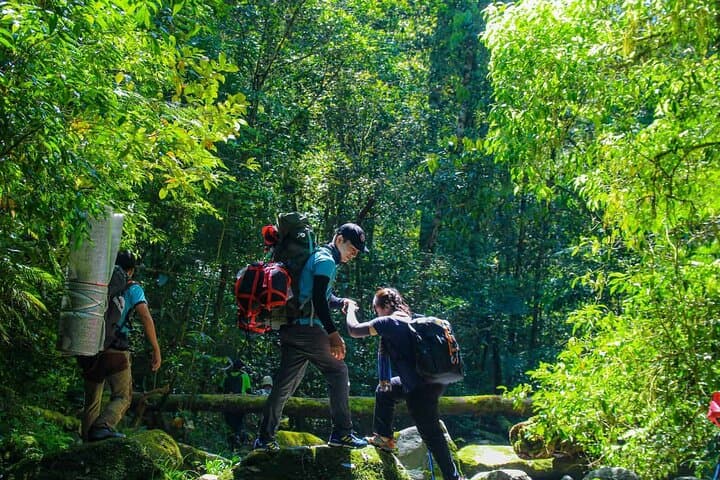
Morning light slices through high-canopy pines as a small group steps off the ridge into the cool, scented air of Bidoup – Nui Ba National Park. Moss clings to trunks, orchids peek from rotting logs, and the slope opens into wide, wind-brushed Phuoc Binh grasslands where the horizon feels suddenly distant.
Verified experiences and guided adventures in the surrounding area.
Operated by Authentic PHU QUOC · Da Lat, Lam Dong
Morning light slices through high-canopy pines as a small group steps off the ridge into the cool, scented air of Bidoup – Nui Ba National Park. Moss clings to trunks, orchids peek from rotting logs, and the slope opens into wide, wind-brushed Phuoc Binh grasslands where the horizon feels suddenly distant.
The route links two protected landscapes: Bidoup’s montane evergreen forest—home to ancient Po Mu pines and a high-elevation flora—and the rolling, grazing-like plateaus of Phuoc Binh that drain toward the Khe River and Ta Giang valley. The trail passes ecological boundaries and provincial borders, and finishes in Ta Giang, a Raglai community where traditional subsistence agriculture and simple village life meet mountain watercourses.
Geologically this region is a transition zone between the Central Highlands and the coastal ranges; soils change quickly from deep humic earth under the pine to thinner ground on grass hills, influencing plant communities and trail footing.
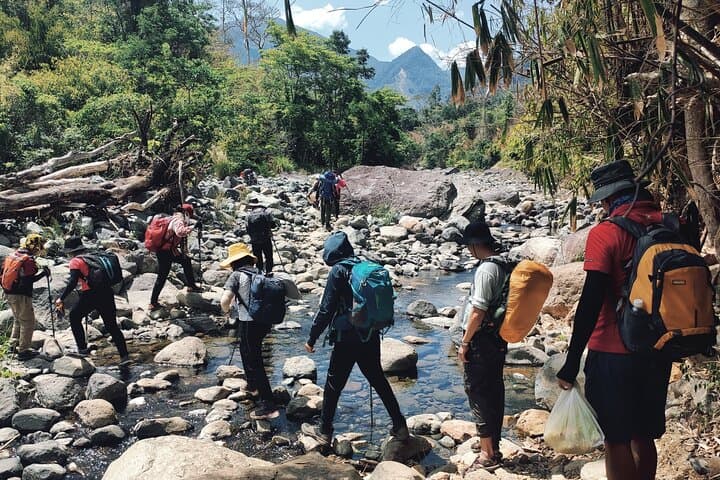
Practical guidance: the trek covers roughly 22 km over two days with one night of tent camping on exposed grassland; expect muddy forest sections, gravel tracks, and river-side rest stops. Bring layered clothing for chilly pre-dawn starts, waterproofs for sudden tropical showers, and a headlamp for campsite tasks. Guides provide tents, poles, basic medical kit and meals; personal items like sturdy boots, hydration, and sleep layers make the difference between a functional night and a cold one.
Plan logistics around early transfers to Da Lat and the late-night sleeper bus return; respect local customs in Ta Giang and follow park regulations to minimize impact.
moderate.
2 days.
Moderately fit travelers who can walk 10–15 km a day on uneven terrain and carry a daypack should be comfortable.
The full route is about 22 km across two days—expect longer mileage on day one through Bidoup and grassland approaches, with river-side sections on day two.
Yes—tents and basic sleeping arrangements are supplied; bring a personal sleeping liner and any preferred sleep insulation for comfort.
Yes—the operator classifies this as suitable for a wide range of fitness levels, but participants should be comfortable walking multiple hours with variable footing.
Three meals are provided each day (breakfast, lunch, dinner) with options for vegetarians if notified in advance.
This corridor links highland forest historically used by ethnic groups like the Raglai; traditional practices and small-scale agriculture still shape village life in Ta Giang.
Both Bidoup and Phuoc Binh are protected areas—stay on trails, pack out waste, and avoid disturbing wildlife to support ongoing conservation efforts.
Authentic PHU QUOC operates guided outdoor trips and adventures with an emphasis on safety, stewardship, and memorable experiences.

Morning light slices through high-canopy pines as a small group steps off the ridge into the cool, scented air of Bidoup – Nui Ba National Park. Moss clings to trunks, orchids peek from rotting logs, and the slope opens into wide, wind-brushed Phuoc Binh grasslands where the horizon feels suddenly distant.
Morning light slices through high-canopy pines as a small group steps off the ridge into the cool, scented air of Bidoup – Nui Ba National Park. Moss clings to trunks, orchids peek from rotting logs, and the slope opens into wide, wind-brushed Phuoc Binh grasslands where the horizon feels suddenly distant.
The route links two protected landscapes: Bidoup’s montane evergreen forest—home to ancient Po Mu pines and a high-elevation flora—and the rolling, grazing-like plateaus of Phuoc Binh that drain toward the Khe River and Ta Giang valley. The trail passes ecological boundaries and provincial borders, and finishes in Ta Giang, a Raglai community where traditional subsistence agriculture and simple village life meet mountain watercourses.
Geologically this region is a transition zone between the Central Highlands and the coastal ranges; soils change quickly from deep humic earth under the pine to thinner ground on grass hills, influencing plant communities and trail footing.
Practical guidance: the trek covers roughly 22 km over two days with one night of tent camping on exposed grassland; expect muddy forest sections, gravel tracks, and river-side rest stops. Bring layered clothing for chilly pre-dawn starts, waterproofs for sudden tropical showers, and a headlamp for campsite tasks. Guides provide tents, poles, basic medical kit and meals; personal items like sturdy boots, hydration, and sleep layers make the difference between a functional night and a cold one.
Plan logistics around early transfers to Da Lat and the late-night sleeper bus return; respect local customs in Ta Giang and follow park regulations to minimize impact.