THE ADVENTURE COLLECTIVE® · Independent discovery and booking for outdoor travel

Climb through the Tijuca Forest to Bico do Papagaio, an 989 m viewpoint that looks back over Rio’s beaches and granite peaks. This full-day guided hike mixes easy forest trails, a steep final scramble, a waterfall break and visits to the park museum.
Climb through the Tijuca Forest to Bico do Papagaio, an 989 m viewpoint that looks back over Rio’s beaches and granite peaks. This full-day guided hike mixes easy forest trails, a steep final scramble, a waterfall break and visits to the park museum.
A cool, leafy shoulder of Rio de Janeiro opens as the city shrinks beneath you—mist threading between towering palms and the forest floor giving way to roots that act like natural handholds. On a full-day hike to Bico do Papagaio, the trail in Tijuca National Park moves from wide, gentle forest paths into a final rugged scramble, culminating at a rocky outcrop roughly 989 meters above sea level with sweeping views of Pedra da Gávea, Pedra Bonita and the long sweep of Barra and Recreio beaches.
Verified experiences and guided adventures in the surrounding area.
Operated by Nattrip - Tourism, Ecotourism and Adventure in Rio de Janeiro · Rio de Janeiro, Rio de Janeiro
A cool, leafy shoulder of Rio de Janeiro opens as the city shrinks beneath you—mist threading between towering palms and the forest floor giving way to roots that act like natural handholds. On a full-day hike to Bico do Papagaio, the trail in Tijuca National Park moves from wide, gentle forest paths into a final rugged scramble, culminating at a rocky outcrop roughly 989 meters above sea level with sweeping views of Pedra da Gávea, Pedra Bonita and the long sweep of Barra and Recreio beaches.
The forest here is reclaimed Atlantic Forest: 19th-century reforestation and later protection turned an eroded watershed into an urban refuge. Geology is visible underfoot—ancient granite and gneiss outcrops smoothed by weathering—and culture appears in small markers and the park museum that traces Rio’s conservation history.
Expect wet stone, exposed roots, and a short but steep last 20 minutes that will test balance more than endurance. Guides usually pause at Cachoeira das Almas (Waterfall of Souls) for a cooling break and to explain the park’s flora and fauna. Keep to marked trails; the park’s recovery depends on concentrated visitor impact.
Practical edge: bring 2–3 liters of water, sturdy shoes with good grip, and layered clothing for sudden showers. Start early to avoid afternoon heat and ferry time back to the city. The walk is rewarding for photographers and hikers who want half-day immersion in an urban forest with significant viewpoints—an accessible, full-day route that pairs nature history with clear logistics.
moderate.
8 hours.
Moderate—comfortable walking fitness with ability to handle uneven terrain and a short steep scramble
Overall moderate: most of the route is gradual forest trail, with a steep, rocky 15–30 minute scramble to the summit that requires sure footing.
This tour includes a professional guide and typically park entry is covered; private or organized guided hikes are recommended for navigation and local knowledge.
There are no reliable refills on-trail—bring all water and snacks you need; some restaurants near park entrances may be open before or after the hike.
Minimum age is generally around 10; participants should have moderate fitness and be able to handle uneven terrain and short scrambles.
Tijuca is an area of restored Atlantic Forest protected since the 19th century to secure watersheds and later formalized as a national park, reflecting Rio’s early conservation efforts.
Visitors are asked to stay on marked trails, avoid feeding wildlife and carry out trash to limit erosion and protect native species in this fragile urban forest.
Nattrip - Tourism, Ecotourism and Adventure in Rio de Janeiro operates guided outdoor trips and adventures with an emphasis on safety, stewardship, and memorable experiences.
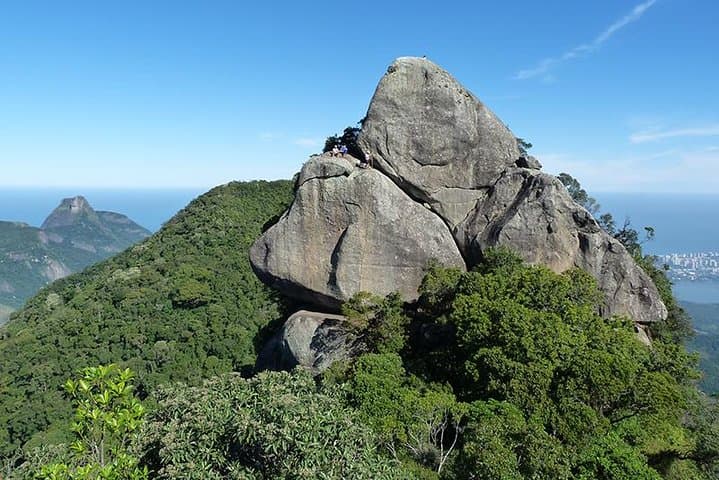
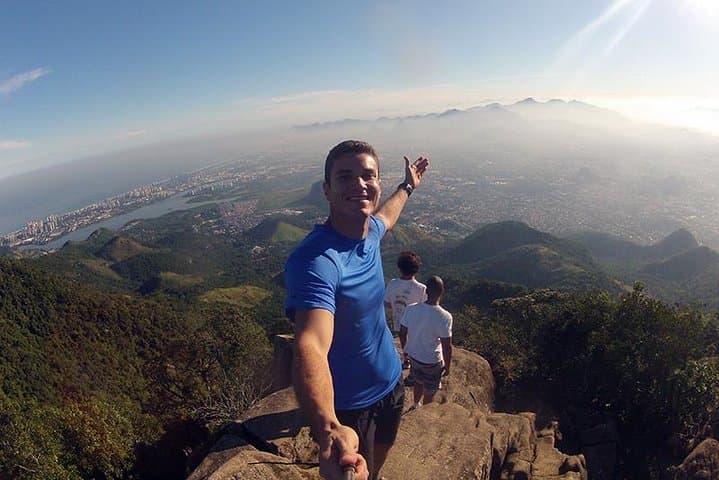


A cool, leafy shoulder of Rio de Janeiro opens as the city shrinks beneath you—mist threading between towering palms and the forest floor giving way to roots that act like natural handholds. On a full-day hike to Bico do Papagaio, the trail in Tijuca National Park moves from wide, gentle forest paths into a final rugged scramble, culminating at a rocky outcrop roughly 989 meters above sea level with sweeping views of Pedra da Gávea, Pedra Bonita and the long sweep of Barra and Recreio beaches.
A cool, leafy shoulder of Rio de Janeiro opens as the city shrinks beneath you—mist threading between towering palms and the forest floor giving way to roots that act like natural handholds. On a full-day hike to Bico do Papagaio, the trail in Tijuca National Park moves from wide, gentle forest paths into a final rugged scramble, culminating at a rocky outcrop roughly 989 meters above sea level with sweeping views of Pedra da Gávea, Pedra Bonita and the long sweep of Barra and Recreio beaches.
The forest here is reclaimed Atlantic Forest: 19th-century reforestation and later protection turned an eroded watershed into an urban refuge. Geology is visible underfoot—ancient granite and gneiss outcrops smoothed by weathering—and culture appears in small markers and the park museum that traces Rio’s conservation history.
Expect wet stone, exposed roots, and a short but steep last 20 minutes that will test balance more than endurance. Guides usually pause at Cachoeira das Almas (Waterfall of Souls) for a cooling break and to explain the park’s flora and fauna. Keep to marked trails; the park’s recovery depends on concentrated visitor impact.
Practical edge: bring 2–3 liters of water, sturdy shoes with good grip, and layered clothing for sudden showers. Start early to avoid afternoon heat and ferry time back to the city. The walk is rewarding for photographers and hikers who want half-day immersion in an urban forest with significant viewpoints—an accessible, full-day route that pairs nature history with clear logistics.