THE ADVENTURE COLLECTIVE® · Independent discovery and booking for outdoor travel

Discover Biarritz on a focused 60–90 minute guided walk that traces the town’s whaling origins, the birth of sea bathing and early European surf culture. Start at the Sea Museum and navigate promenades, rocky viewpoints and Belle Époque streets with a local guide.
Discover Biarritz on a focused 60–90 minute guided walk that traces the town’s whaling origins, the birth of sea bathing and early European surf culture. Start at the Sea Museum and navigate promenades, rocky viewpoints and Belle Époque streets with a local guide.
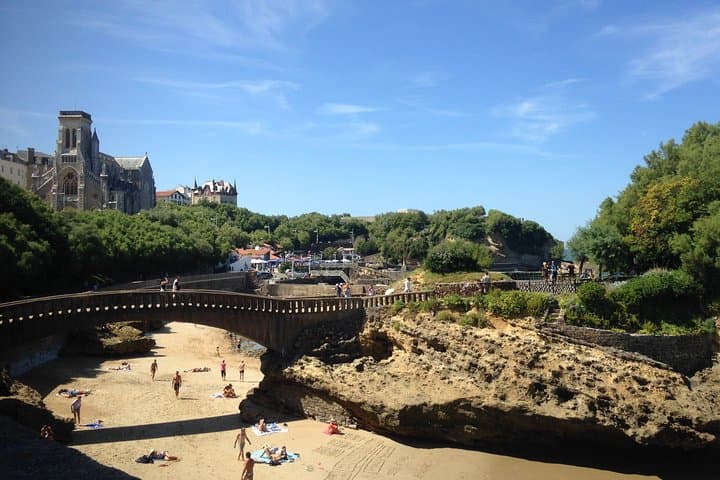
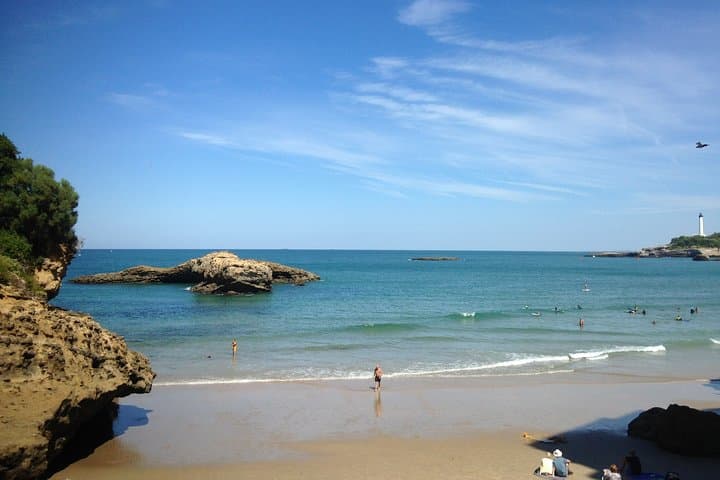
You step out in front of the Sea Museum as the Atlantic breathes against the rocks — gulls map the currents and the Rocher de la Vierge juts like an old harbor watchman daring the swell. The guide leads a compact route along promenades and cobbled streets, pointing to scarred stone, period villas, and the place where sea baths and the first European surf culture quietly began.
Verified experiences and guided adventures in the surrounding area.
Operated by Myarritz Visit Bask Country · Biarritz, Nouvelle-Aquitaine
You step out in front of the Sea Museum as the Atlantic breathes against the rocks — gulls map the currents and the Rocher de la Vierge juts like an old harbor watchman daring the swell. The guide leads a compact route along promenades and cobbled streets, pointing to scarred stone, period villas, and the place where sea baths and the first European surf culture quietly began.
Biarritz’s modern character grew in the 19th century when European elites turned the fishing port into a seaside resort; traces of that era appear in Belle Époque façades and cliff-top promenades. Geologically, the Bay of Biscay has carved a coastline of resistant headlands and pocket beaches; expect short flights of stairs and uneven paving where rock gives way to sand. Culturally, Basque influences remain visible in language, cuisine, and market life; your guide will stitch local anecdotes to architectural and maritime facts.
The standard walk runs 60–90 minutes, private and accessible for most fitness levels — stroller-friendly stretches included. Practical guidance: wear grippy shoes for wet stones, bring a wind layer (the ocean often arrives in gusts), and time your visit for lower tides if you want closer views of tide pools and rock formations. Photography opportunities are constant — sunrise and late afternoon provide the best light — but respect private property and church interiors.
This short coastal circuit delivers a concentrated primer on Biarritz: its rise from whaling and bathing traditions to a hub of European surf, all within an hour of the Sea Museum.
easy.
1–1.5 hours.
Suitable for most ability levels; requires short walks, some stairs and brief standing periods.
The guided walk lasts approximately 60 to 90 minutes, depending on group pace and questions.
The meeting point is in front of the Sea Museum (Musée de la Mer) in Biarritz; the tour typically returns there.
Yes — the route is described as stroller-accessible and suitable for all fitness levels, though there are some stairs and uneven sections.
This listing specifies a local guide; confirm language availability at booking since multilingual options vary by provider.
Biarritz transformed from a modest fishing port to a fashionable 19th-century seaside resort; Empress Eugénie’s patronage accelerated its Belle Époque development and coastal promenades.
Coastal erosion and busy beaches are managed through local tide-aware access and protected dune areas; stick to paths and avoid disturbing rock-pool habitats.
Myarritz Visit Bask Country operates guided outdoor trips and adventures with an emphasis on safety, stewardship, and memorable experiences.

You step out in front of the Sea Museum as the Atlantic breathes against the rocks — gulls map the currents and the Rocher de la Vierge juts like an old harbor watchman daring the swell. The guide leads a compact route along promenades and cobbled streets, pointing to scarred stone, period villas, and the place where sea baths and the first European surf culture quietly began.
You step out in front of the Sea Museum as the Atlantic breathes against the rocks — gulls map the currents and the Rocher de la Vierge juts like an old harbor watchman daring the swell. The guide leads a compact route along promenades and cobbled streets, pointing to scarred stone, period villas, and the place where sea baths and the first European surf culture quietly began.
Biarritz’s modern character grew in the 19th century when European elites turned the fishing port into a seaside resort; traces of that era appear in Belle Époque façades and cliff-top promenades. Geologically, the Bay of Biscay has carved a coastline of resistant headlands and pocket beaches; expect short flights of stairs and uneven paving where rock gives way to sand. Culturally, Basque influences remain visible in language, cuisine, and market life; your guide will stitch local anecdotes to architectural and maritime facts.
The standard walk runs 60–90 minutes, private and accessible for most fitness levels — stroller-friendly stretches included. Practical guidance: wear grippy shoes for wet stones, bring a wind layer (the ocean often arrives in gusts), and time your visit for lower tides if you want closer views of tide pools and rock formations. Photography opportunities are constant — sunrise and late afternoon provide the best light — but respect private property and church interiors.
This short coastal circuit delivers a concentrated primer on Biarritz: its rise from whaling and bathing traditions to a hub of European surf, all within an hour of the Sea Museum.