THE ADVENTURE COLLECTIVE® · Independent discovery and booking for outdoor travel

A nine‑day walking circuit from Paro through Thimphu, Punakha and Phobjikha that pairs cliffside monasteries, high passes and valley walks. Practical, culture‑rich and paced for moderate hikers seeking Himalayan views and village life.
A nine‑day walking circuit from Paro through Thimphu, Punakha and Phobjikha that pairs cliffside monasteries, high passes and valley walks. Practical, culture‑rich and paced for moderate hikers seeking Himalayan views and village life.
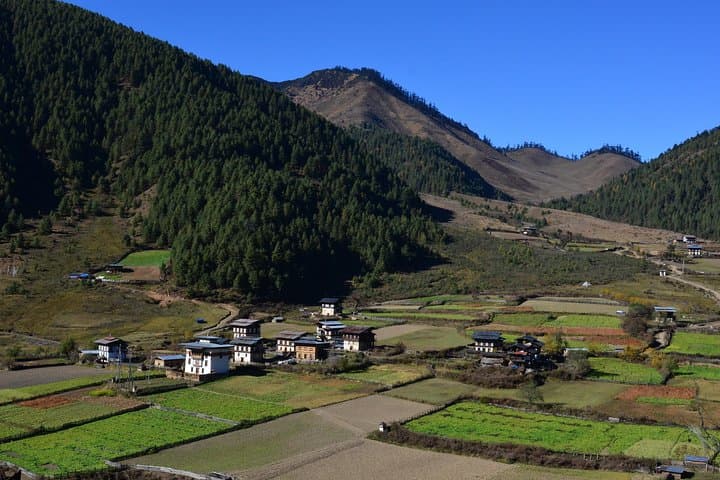
You crest a ridge and the valley opens: prayer flags snap like small flags of warning and welcome, the Wang Chhu pushes through the lowlands below, daring you to step closer. This nine‑day loop from Paro through Thimphu, Punakha and Phobjikha stitches monastery courtyards, high passes and glacial valleys into a single, walkable story.
Verified experiences and guided adventures in the surrounding area.
Operated by WORLD TOUR PLAN · Paro, Paro District
You crest a ridge and the valley opens: prayer flags snap like small flags of warning and welcome, the Wang Chhu pushes through the lowlands below, daring you to step closer. This nine‑day loop from Paro through Thimphu, Punakha and Phobjikha stitches monastery courtyards, high passes and glacial valleys into a single, walkable story.
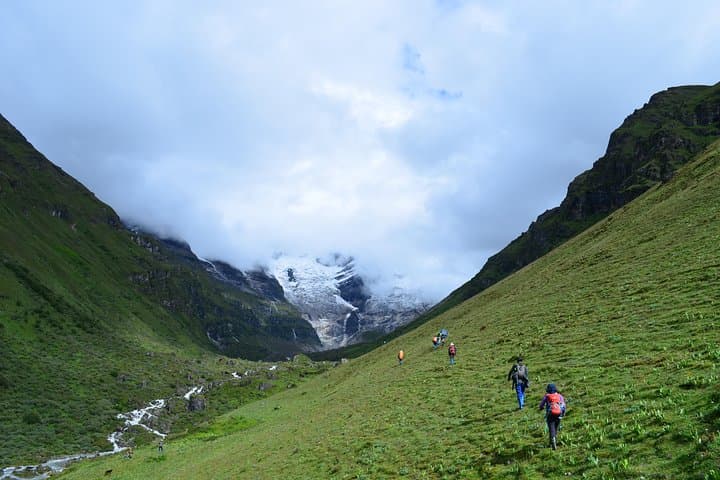
Bhutan’s architecture—dzongs, chortens and lhakhangs—dates to the 17th century and earlier; many sites on this route preserve relics and rituals that shaped the modern kingdom. Geologically the valleys are carved by Himalayan uplift and glacial action: Dochula Pass gives a clear line on the horizon where jagged snow meets softer green slopes. Culturally, towns pulse with a careful blend of monarchy, Buddhism and agricultural life: weekend markets brim with local produce, while monastic schools keep centuries‑old arts alive.
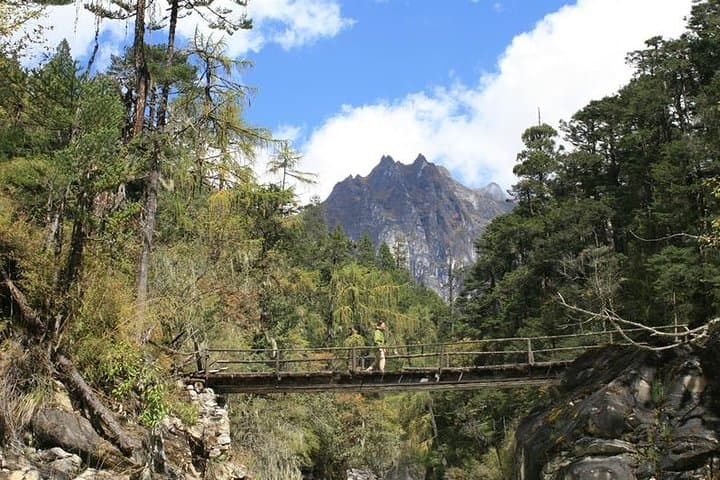
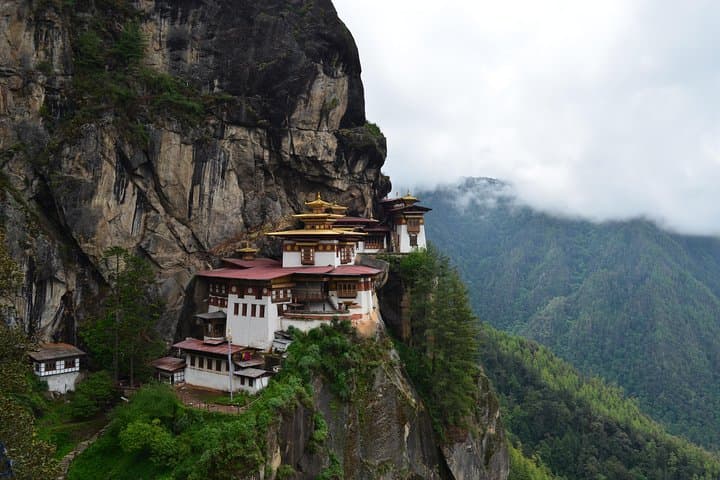
Expect forested trails, paved valley roads and steep hikes to cliffside shrines such as Paro Taktsang (Tiger’s Nest). Altitude ranges from about 1,200 m in Punakha to roughly 3,100 m at Taktsang; weather can shift fast—sunlit afternoons can flip to wind‑bitten evenings. Black‑necked cranes winter in Phobjikha; takin peek at feeding times near Thimphu.
Practical guidance: acclimatize, pack layered clothing, and use a daypack for water and rain protection. Respect dress codes at religious sites, carry your passport and required fees, and plan for moderate walking each day—some sections are short drives punctuated by 1–4 hour hikes. With mindful pacing this circuit delivers culture, views and approachable alpine walking in a country that rewards patience as much as curiosity.
moderate.
9 days.
Participants should be in good general health with the ability to walk 2–4 hours on uneven trails and manage short steep sections; acclimatization helps.
Yes—international visitors require a Bhutan visa arranged via a licensed tour operator and must pay the Sustainable Development Fee; provide passport details at booking.
The tour is paced for moderately fit travelers: daily activity mixes short drives with hikes of up to 3–4 hours and one steeper ascent to Tiger’s Nest at roughly 3,120 m.
Bhutanese ngultrum and Indian rupees are commonly used; some hotels and shops accept cards in larger towns—carry cash for markets and remote areas.
Winter months (late October to February) are best for crane viewing in the Phobjikha Valley when they winter in the wetlands.
Many dzongs on this route date to the 17th century and served both as monastic centers and administrative forts, central to Bhutan’s political and religious history.
Bhutan emphasizes controlled tourism and conservation fees; stick to trails, avoid disturbing wildlife and support local handicraft shops to benefit communities.
WORLD TOUR PLAN operates guided outdoor trips and adventures with an emphasis on safety, stewardship, and memorable experiences.
You crest a ridge and the valley opens: prayer flags snap like small flags of warning and welcome, the Wang Chhu pushes through the lowlands below, daring you to step closer. This nine‑day loop from Paro through Thimphu, Punakha and Phobjikha stitches monastery courtyards, high passes and glacial valleys into a single, walkable story.
You crest a ridge and the valley opens: prayer flags snap like small flags of warning and welcome, the Wang Chhu pushes through the lowlands below, daring you to step closer. This nine‑day loop from Paro through Thimphu, Punakha and Phobjikha stitches monastery courtyards, high passes and glacial valleys into a single, walkable story.
Bhutan’s architecture—dzongs, chortens and lhakhangs—dates to the 17th century and earlier; many sites on this route preserve relics and rituals that shaped the modern kingdom. Geologically the valleys are carved by Himalayan uplift and glacial action: Dochula Pass gives a clear line on the horizon where jagged snow meets softer green slopes. Culturally, towns pulse with a careful blend of monarchy, Buddhism and agricultural life: weekend markets brim with local produce, while monastic schools keep centuries‑old arts alive.
Expect forested trails, paved valley roads and steep hikes to cliffside shrines such as Paro Taktsang (Tiger’s Nest). Altitude ranges from about 1,200 m in Punakha to roughly 3,100 m at Taktsang; weather can shift fast—sunlit afternoons can flip to wind‑bitten evenings. Black‑necked cranes winter in Phobjikha; takin peek at feeding times near Thimphu.
Practical guidance: acclimatize, pack layered clothing, and use a daypack for water and rain protection. Respect dress codes at religious sites, carry your passport and required fees, and plan for moderate walking each day—some sections are short drives punctuated by 1–4 hour hikes. With mindful pacing this circuit delivers culture, views and approachable alpine walking in a country that rewards patience as much as curiosity.