THE ADVENTURE COLLECTIVE® · Independent discovery and booking for outdoor travel

A concise six-day loop through Paro, Thimphu and Punakha that combines short hikes, cultural monuments and one iconic cliffside monastery hike. Practical for travelers seeking accessible Himalayan scenery, traditional arts, and a clear immersion in Bhutanese culture.
A concise six-day loop through Paro, Thimphu and Punakha that combines short hikes, cultural monuments and one iconic cliffside monastery hike. Practical for travelers seeking accessible Himalayan scenery, traditional arts, and a clear immersion in Bhutanese culture.
The first light touches the ridgeline above Paro and the valley exhales—cool pine-scented air, prayer flags fluttering, and a single road that winds like a ribbon between white-walled dzongs. On arrival you feel the pull of history and high places: monasteries clinging to cliffs, rivers daring you to follow their braids downstream, and a capital city that balances modern life with millennia-old ritual.
Verified experiences and guided adventures in the surrounding area.
Operated by Bhutan Best InBound Tour · Paro, Paro District
The first light touches the ridgeline above Paro and the valley exhales—cool pine-scented air, prayer flags fluttering, and a single road that winds like a ribbon between white-walled dzongs. On arrival you feel the pull of history and high places: monasteries clinging to cliffs, rivers daring you to follow their braids downstream, and a capital city that balances modern life with millennia-old ritual.
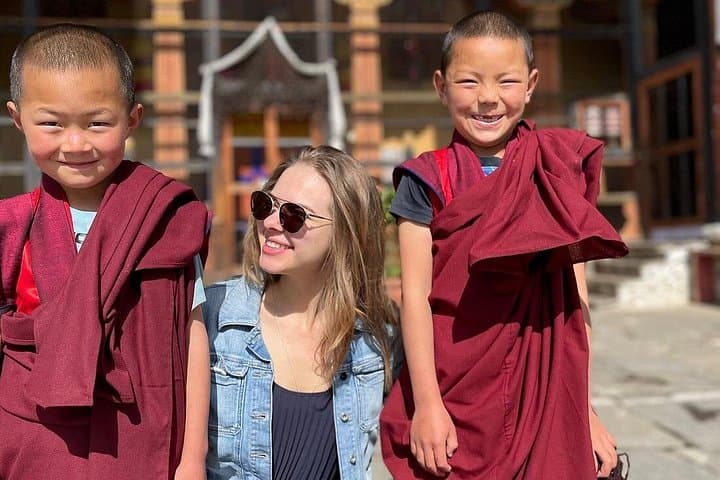
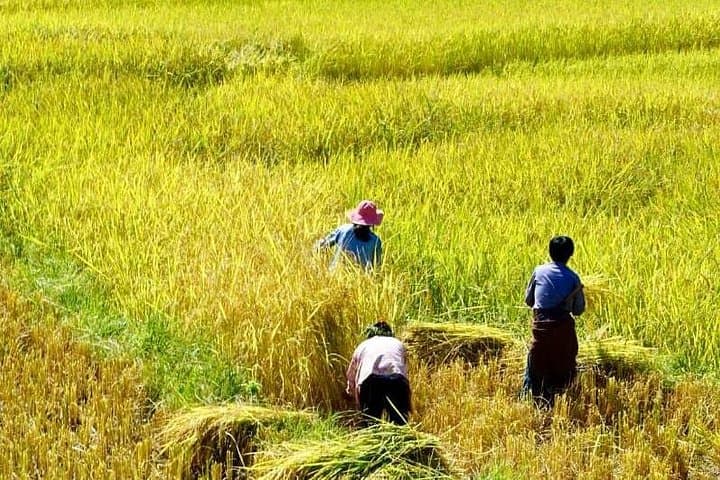
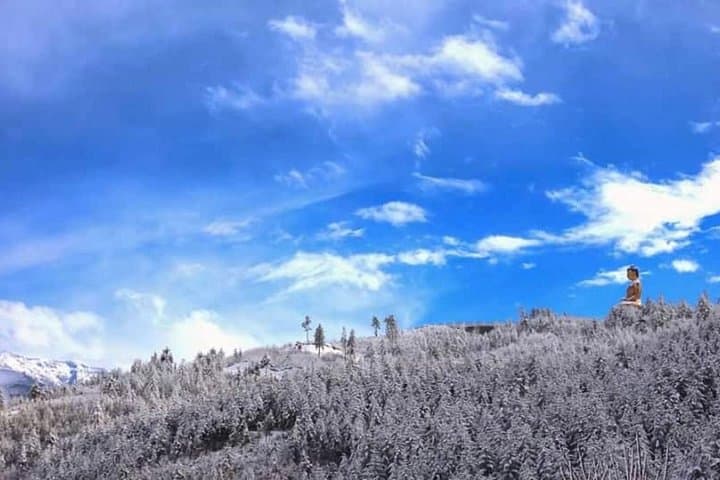
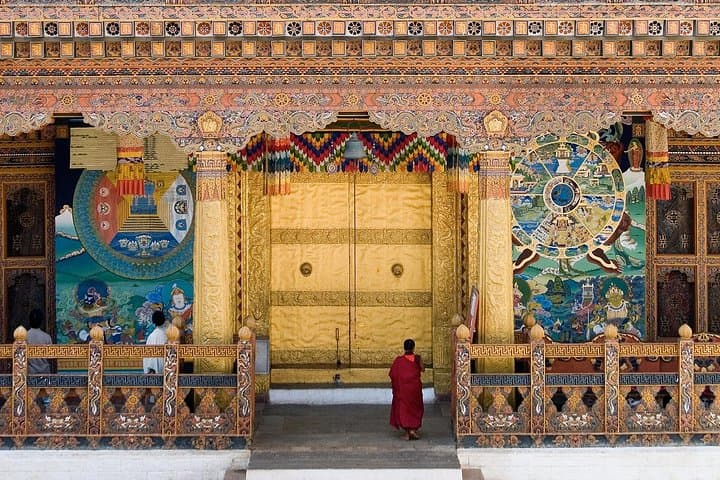
This six-day loop moves between Paro, Thimphu and Punakha, threading short hikes with cultural stops. Geologically, you cross Himalayan foothills carved by glaciers and rivers; Dochu La pass at 3,140 m offers crisp views of snow-edged peaks and the 108 chortens that mark modern memory. Culturally, dzongs, the Royal Textile Academy and village farmhouses reveal Bhutan’s living Buddhist arts—thangka painting, weaving and traditional paper-making.
Expect a mix of easy walks and one sustained ascent: the Taktsang (Tiger's Nest) approach is a steep 3–4 hour round hike at altitude, rewarded by the cliffside monastery and panoramic silence. Guides provide context on local legends, monastic life and the kingdom’s sustainable tourism policy; most meals in the itinerary are included and hotels are modest three-star basics.
Practical notes: pace yourself for altitude, bring layered clothing for rapidly shifting temperatures, and allot time for photo stops at viewpoints and dzongs. Plan early mornings for the best light and quieter trails, carry cash for small market purchases, and respect monastery etiquette—remove hats, speak softly, and avoid photography where signs prohibit it.
This itinerary is equal parts cultural immersion and mountain rhythm—manageable for fit travelers who want short hikes woven with deep cultural encounters.
moderate.
5–6 days.
Suitable for travelers in average to good fitness; be prepared for one sustained 3–4 hour uphill hike at altitude.
Yes. The tour price includes the Sustainable Development Fee and visa processing; you will receive an e-visa by email prior to travel.
The approach is steep and takes about 3–4 hours round trip for most visitors; expect rocky steps and some altitude strain—allow extra time and go at a steady pace.
Bhutanese Ngultrum is used alongside Indian Rupee; cards are not always accepted in villages. Tipping guides and drivers is appreciated; small cash gifts for hosts are customary.
The standard itinerary includes breakfast, lunch and dinner on most days and 3-star hotel accommodation, with options to upgrade to higher-tier hotels for additional cost.
Bhutan’s dzongs served both religious and administrative roles for centuries; the modern kingdom balanced monarchy and Buddhist governance since unification in the 17th century.
Bhutan operates a high-value, low-impact tourism model and collects a Sustainable Development Fee to fund conservation and infrastructure; visitors are encouraged to minimize waste and follow local rules.
Bhutan Best InBound Tour operates guided outdoor trips and adventures with an emphasis on safety, stewardship, and memorable experiences.
The first light touches the ridgeline above Paro and the valley exhales—cool pine-scented air, prayer flags fluttering, and a single road that winds like a ribbon between white-walled dzongs. On arrival you feel the pull of history and high places: monasteries clinging to cliffs, rivers daring you to follow their braids downstream, and a capital city that balances modern life with millennia-old ritual.
The first light touches the ridgeline above Paro and the valley exhales—cool pine-scented air, prayer flags fluttering, and a single road that winds like a ribbon between white-walled dzongs. On arrival you feel the pull of history and high places: monasteries clinging to cliffs, rivers daring you to follow their braids downstream, and a capital city that balances modern life with millennia-old ritual.
This six-day loop moves between Paro, Thimphu and Punakha, threading short hikes with cultural stops. Geologically, you cross Himalayan foothills carved by glaciers and rivers; Dochu La pass at 3,140 m offers crisp views of snow-edged peaks and the 108 chortens that mark modern memory. Culturally, dzongs, the Royal Textile Academy and village farmhouses reveal Bhutan’s living Buddhist arts—thangka painting, weaving and traditional paper-making.
Expect a mix of easy walks and one sustained ascent: the Taktsang (Tiger's Nest) approach is a steep 3–4 hour round hike at altitude, rewarded by the cliffside monastery and panoramic silence. Guides provide context on local legends, monastic life and the kingdom’s sustainable tourism policy; most meals in the itinerary are included and hotels are modest three-star basics.
Practical notes: pace yourself for altitude, bring layered clothing for rapidly shifting temperatures, and allot time for photo stops at viewpoints and dzongs. Plan early mornings for the best light and quieter trails, carry cash for small market purchases, and respect monastery etiquette—remove hats, speak softly, and avoid photography where signs prohibit it.
This itinerary is equal parts cultural immersion and mountain rhythm—manageable for fit travelers who want short hikes woven with deep cultural encounters.