THE ADVENTURE COLLECTIVE® · Independent discovery and booking for outdoor travel

A seven-day spiritual and wellness tour that pairs guided meditation and monastic stays with moderate hikes and cultural immersion across Paro, Gangtey and Punakha. Ideal for travelers who want practiced instruction and contemplative time framed by Himalayan ridgelines.
A seven-day spiritual and wellness tour that pairs guided meditation and monastic stays with moderate hikes and cultural immersion across Paro, Gangtey and Punakha. Ideal for travelers who want practiced instruction and contemplative time framed by Himalayan ridgelines.
Rain-creased prayer flags snap across the Dochu La ridge as the minivan climbs toward 3,088 m; below, valleys spill rice paddies and pine-scented folds where monks chant before dawn. This seven-day spiritual and wellness itinerary moves from Paro’s river-creased valley to the high, contemplative quiet of Gangtey, offering guided meditation, monastic lodging, and day hikes to cliffside temples.
Verified experiences and guided adventures in the surrounding area.
Operated by Bhutan Best InBound Tour · Paro, Paro District
Rain-creased prayer flags snap across the Dochu La ridge as the minivan climbs toward 3,088 m; below, valleys spill rice paddies and pine-scented folds where monks chant before dawn. This seven-day spiritual and wellness itinerary moves from Paro’s river-creased valley to the high, contemplative quiet of Gangtey, offering guided meditation, monastic lodging, and day hikes to cliffside temples.
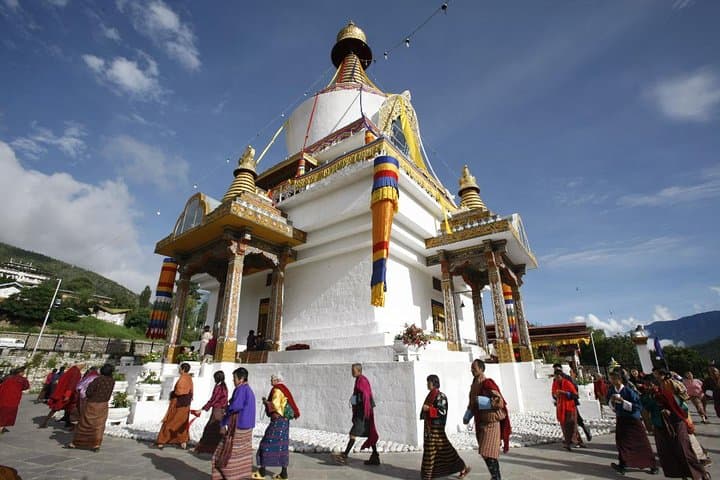
Bhutan’s Buddhist architecture—fortress-monasteries called dzongs, whitewashed chortens and the timber-carved temples—reflects a history of Himalayan polities shaped by trade and religion. Geologically, the route traverses youthful Himalaya ridgelines, river-cut valleys and glacial-fed streams; culturally, guests will meet communities where astrology and ritual remain living practices.
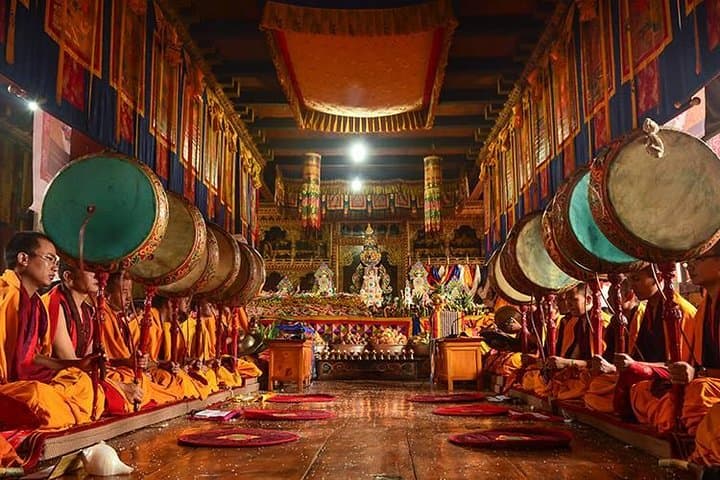
Expect structured spiritual programming: morning pujas, meditation sessions led by authentic teachers (with translation available), and participatory rituals like butter-lamp offerings and flag hoisting. Walks are generally moderate: the Gangtey nature trail is a 1.5-hour pine-and-bamboo hike; the Taktshang (Tiger’s Nest) ascent is steeper, 4–6 hours round-trip with exposed steps and switchbacks.
Practical notes: acclimatize gradually, carry a lightweight daypack with water, layers and cash for small offerings. Footwear should be grippy and broken-in; rain gear is essential during monsoon months. Be prepared for quiet, sometimes austere accommodation at the monastic stay and respectful interaction rules—photography and noise are often restricted inside sacred spaces.
This program blends active hiking, immersive cultural exchange and contemplative practice—ideal for travelers seeking a balanced, grounded retreat in one of the world’s last Himalayan Buddhist kingdoms.
moderate.
7 days.
Suitable for travelers with basic fitness who can handle several hours of walking and one sustained uphill day; light cardio conditioning recommended.
No—programs include guided sessions suitable for beginners and instruction from authentic masters with translation available.
Overall moderate: most days involve light walking, but the Taktshang hike is steeper and requires several hours of sustained uphill effort.
Travelers must have a passport valid for at least six months; the tour operator arranges the Bhutan visa and the government Sustainable Development Fee as part of the booking.
Yes—many temples restrict photography during rituals or inside prayer halls; always ask permission and follow local instructions.
Bhutan’s dzongs and monastic schools trace back to 17th-century consolidation of religious and administrative power; Gangtey houses the Pema Lingpa lineage established in 1613.
Bhutan manages tourism through daily tariffs and a high-value, low-impact model to protect culture and environment; visitors are encouraged to minimize waste and respect sacred sites.
Bhutan Best InBound Tour operates guided outdoor trips and adventures with an emphasis on safety, stewardship, and memorable experiences.
Rain-creased prayer flags snap across the Dochu La ridge as the minivan climbs toward 3,088 m; below, valleys spill rice paddies and pine-scented folds where monks chant before dawn. This seven-day spiritual and wellness itinerary moves from Paro’s river-creased valley to the high, contemplative quiet of Gangtey, offering guided meditation, monastic lodging, and day hikes to cliffside temples.
Rain-creased prayer flags snap across the Dochu La ridge as the minivan climbs toward 3,088 m; below, valleys spill rice paddies and pine-scented folds where monks chant before dawn. This seven-day spiritual and wellness itinerary moves from Paro’s river-creased valley to the high, contemplative quiet of Gangtey, offering guided meditation, monastic lodging, and day hikes to cliffside temples.
Bhutan’s Buddhist architecture—fortress-monasteries called dzongs, whitewashed chortens and the timber-carved temples—reflects a history of Himalayan polities shaped by trade and religion. Geologically, the route traverses youthful Himalaya ridgelines, river-cut valleys and glacial-fed streams; culturally, guests will meet communities where astrology and ritual remain living practices.
Expect structured spiritual programming: morning pujas, meditation sessions led by authentic teachers (with translation available), and participatory rituals like butter-lamp offerings and flag hoisting. Walks are generally moderate: the Gangtey nature trail is a 1.5-hour pine-and-bamboo hike; the Taktshang (Tiger’s Nest) ascent is steeper, 4–6 hours round-trip with exposed steps and switchbacks.
Practical notes: acclimatize gradually, carry a lightweight daypack with water, layers and cash for small offerings. Footwear should be grippy and broken-in; rain gear is essential during monsoon months. Be prepared for quiet, sometimes austere accommodation at the monastic stay and respectful interaction rules—photography and noise are often restricted inside sacred spaces.
This program blends active hiking, immersive cultural exchange and contemplative practice—ideal for travelers seeking a balanced, grounded retreat in one of the world’s last Himalayan Buddhist kingdoms.