THE ADVENTURE COLLECTIVE® · Independent discovery and booking for outdoor travel

Explore Bhutan’s vertical forests with a master botanist on a concise, two-day immersion into Himalayan plant zones. Expect guided plant ID, cultural context, and alpine rhododendron meadows—perfect for curious naturalists.
Explore Bhutan’s vertical forests with a master botanist on a concise, two-day immersion into Himalayan plant zones. Expect guided plant ID, cultural context, and alpine rhododendron meadows—perfect for curious naturalists.
You step off the narrow runway at Paro and breathe in a sharp, pine-scented air that hints at the vertical range ahead.
Verified experiences and guided adventures in the surrounding area.
Operated by Bhutan Monyul Travel (Tour manager at Bhutan, Hotel booking and Transportation ) · Thimphu, Thimphu District
You step off the narrow runway at Paro and breathe in a sharp, pine-scented air that hints at the vertical range ahead.
Over two days a master botanist leads the group through gradient vegetation zones—tropical laurels and magnolias below 800m, mixed oaks and maples through the mid-elevations, then spruce, yew and weeping cypress above 2,400m—each plant community announcing itself with a different color and hum. The narrative of Bhutan’s flora is geological as well as cultural: uplift from the collision of the Indian and Eurasian plates created steep valleys and microclimates where over 5,400 plant species thrive, including unique orchids and rhododendrons.
Along village paths you’ll see traditional stone houses, mani walls, and local farmers tending medicinal herbs; monasteries punctuate ridge-lines and echo the country’s long history of conservation-minded Buddhism. Expect close study of plant identification, discussions of traditional uses, and stops at alpine meadows where dwarf rhododendrons and flowering herbs cling to thin soils.
Practical edge: altitude changes quickly—pack layers and give yourself time to acclimatize after arrival. Trails are a mix of dirt tracks and short steep climbs; sturdy footwear and a steady pace will get you to the best viewing spots. Meals are included and accommodation provided; bring any essential medication and photocopies of passport details for permits. The tour favors the keen observer: bring a notebook, camera with a close-focus lens, and curiosity for plants that have adapted to an extreme mountain life.
moderate.
2 days.
Moderate fitness recommended—comfortable walking on uneven trails and short steep sections; ability to tolerate 2,400–3,700m altitude.
All travelers need a valid passport; visa requirements vary by nationality—arrange visas through a Bhutanese tour operator before travel.
The itinerary requires moderate walking on uneven or steep trails and coping with rapid altitude change; a basic level of fitness is recommended.
Yes—meals as listed and accommodation per the itinerary are included; vegetarian options are available if requested in advance.
Depending on season and elevation, you can expect to see a variety of orchids and many rhododendron species, especially at higher passes and alpine meadows.
Bhutan’s cultural reverence for nature and strict land-use policies have preserved large tracts of native forest, supporting exceptional plant diversity.
Bhutan protects over half its land as forest and parks; visitors should stick to trails, avoid collecting plants, and support local guides who practice low-impact tourism.
Bhutan Monyul Travel (Tour manager at Bhutan, Hotel booking and Transportation ) operates guided outdoor trips and adventures with an emphasis on safety, stewardship, and memorable experiences.
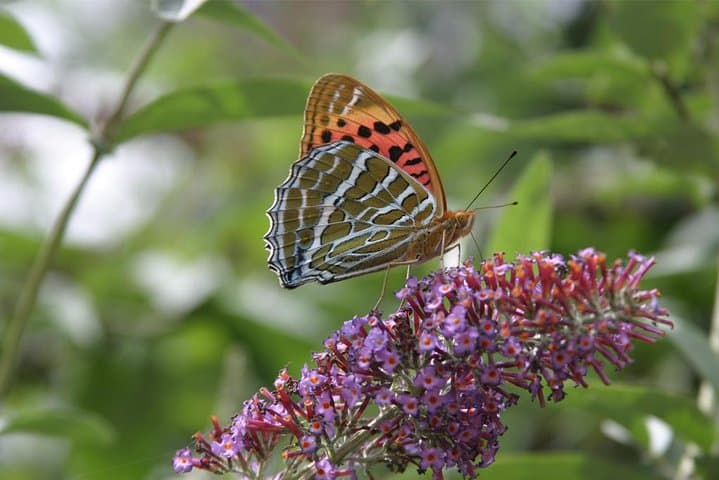


You step off the narrow runway at Paro and breathe in a sharp, pine-scented air that hints at the vertical range ahead.
You step off the narrow runway at Paro and breathe in a sharp, pine-scented air that hints at the vertical range ahead.
Over two days a master botanist leads the group through gradient vegetation zones—tropical laurels and magnolias below 800m, mixed oaks and maples through the mid-elevations, then spruce, yew and weeping cypress above 2,400m—each plant community announcing itself with a different color and hum. The narrative of Bhutan’s flora is geological as well as cultural: uplift from the collision of the Indian and Eurasian plates created steep valleys and microclimates where over 5,400 plant species thrive, including unique orchids and rhododendrons.
Along village paths you’ll see traditional stone houses, mani walls, and local farmers tending medicinal herbs; monasteries punctuate ridge-lines and echo the country’s long history of conservation-minded Buddhism. Expect close study of plant identification, discussions of traditional uses, and stops at alpine meadows where dwarf rhododendrons and flowering herbs cling to thin soils.
Practical edge: altitude changes quickly—pack layers and give yourself time to acclimatize after arrival. Trails are a mix of dirt tracks and short steep climbs; sturdy footwear and a steady pace will get you to the best viewing spots. Meals are included and accommodation provided; bring any essential medication and photocopies of passport details for permits. The tour favors the keen observer: bring a notebook, camera with a close-focus lens, and curiosity for plants that have adapted to an extreme mountain life.