THE ADVENTURE COLLECTIVE® · Independent discovery and booking for outdoor travel

Trace Bhutan’s high valleys on a private nine‑day loop from Paro to Bumthang, finishing with the iconic hike to Taktsang (Tiger’s Nest). This practical guide outlines what to expect — terrain, culture, and the gear to bring.
Trace Bhutan’s high valleys on a private nine‑day loop from Paro to Bumthang, finishing with the iconic hike to Taktsang (Tiger’s Nest). This practical guide outlines what to expect — terrain, culture, and the gear to bring.
You step out of the car and the air is different — sharp, cool, and threaded with incense. Paro Valley unfurls below, rice terraces cutting the slopes, prayer flags flapping like measured breaths. Over nine days this private circuit moves you across Bhutan’s western spine: Thimphu’s hilltop Buddha, the Dochula ridgeline, the peat-scented Phobjikha wetlands, and the high, temple-strewn bowls of Bumthang.
Verified experiences and guided adventures in the surrounding area.
Operated by Breakfree Adventures Pvt. Ltd. · Paro, Paro District
You step out of the car and the air is different — sharp, cool, and threaded with incense. Paro Valley unfurls below, rice terraces cutting the slopes, prayer flags flapping like measured breaths. Over nine days this private circuit moves you across Bhutan’s western spine: Thimphu’s hilltop Buddha, the Dochula ridgeline, the peat-scented Phobjikha wetlands, and the high, temple-strewn bowls of Bumthang.
Geology here is young and raw: the Himalayan uplift has folded valleys into steep ridges, forcing settlements onto terraces and ridgelines. Culturally, Buddhism shapes rhythms — dzongs (fortress-monasteries) administer both civil and spiritual life, and village rituals still mark planting and harvest. Trongsa and Jakar carry layers of history from regional kings to the modern Wangchuck dynasty; Kyichu and Jambay Lhakhang link the landscape to ninth-century Himalayan routes.
Practical side: the itinerary includes mostly road travel with short cultural walks and one sustained hike to Taktsang (Tiger’s Nest). Expect the Taktsang trek to be 3–5 km one-way round-trip with roughly 900 m of ascent from the trailhead to the monastery (final altitude ≈3,200 m); plan 4–6 hours depending on pace and acclimatization. Trails are rocky and often steep; trekking poles and sturdy footwear help. The tour covers hotels, three meals daily, internal transport, a licensed guide, visas and the sustainable development fee — so focus on pacing, sun protection, layered clothing for big temperature swings, and carrying water for longer walks.
Respect temple etiquette, budget small bills for offerings and local crafts, and allow extra time at viewpoints — the mountains like to show themselves on their own schedule.
moderate.
9 days.
Good basic fitness for daily sightseeing and at least one sustained uphill hike; able to walk 4–6 hours with elevation gain.
Yes — this packaged tour includes the Bhutan visa fee and processing as part of the booking.
The hike is a sustained uphill walk to about 3,200 m with roughly 900 m ascent; moderate fitness and acclimatization are recommended.
The tour includes three meals per day and 3‑star accommodation as listed; upgrades may be available at an extra cost.
ATMs exist in Paro and Thimphu but are limited elsewhere — carry small amounts of Bhutanese Ngultrum for local purchases and offerings.
Bumthang and Trongsa have been regional religious and political centers for centuries; modern Bhutan consolidated under the Wangchuck monarchy in 1907 with Buddhism central to its identity.
Bhutan manages tourism through a daily sustainable development fee and regulated operators; visitors are encouraged to minimize waste, respect cultural sites, and stay on marked trails.
Breakfree Adventures Pvt. Ltd. operates guided outdoor trips and adventures with an emphasis on safety, stewardship, and memorable experiences.
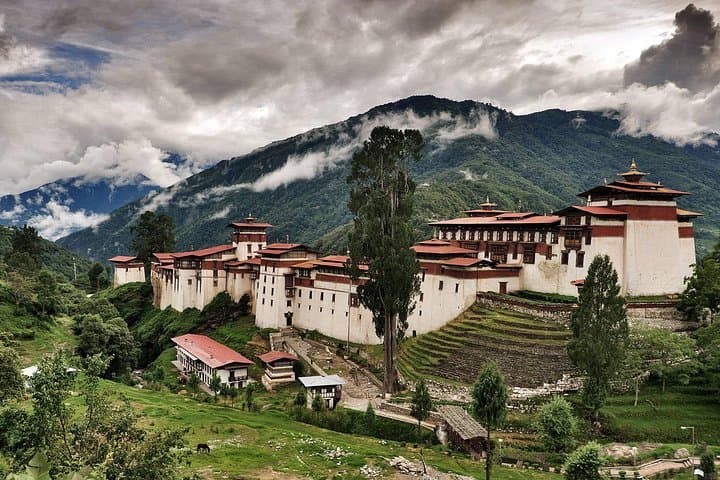
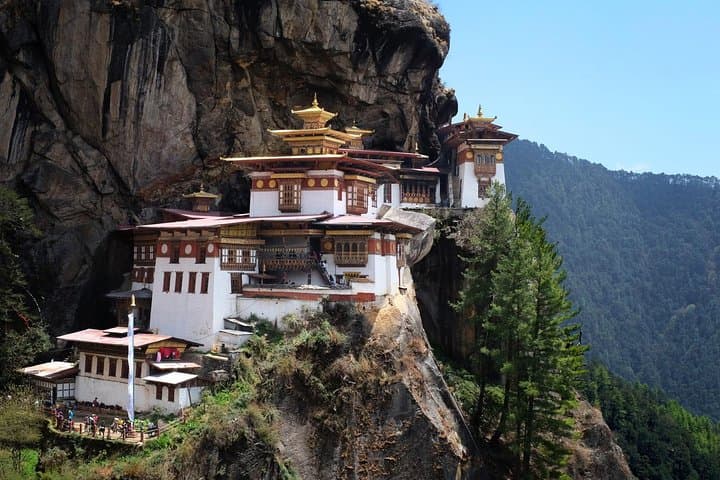
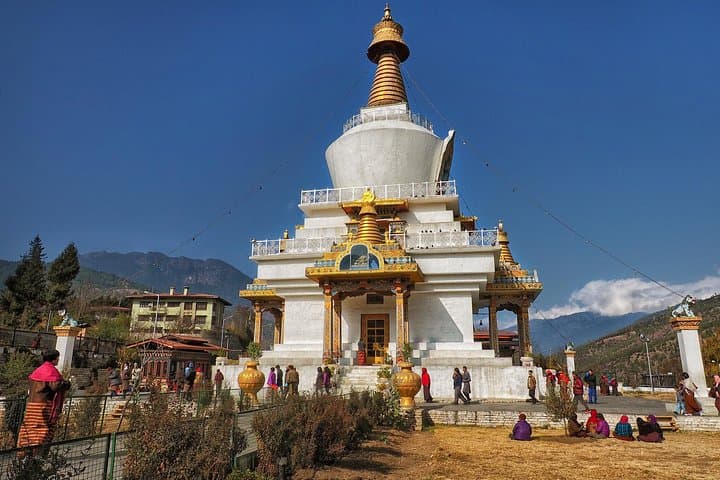
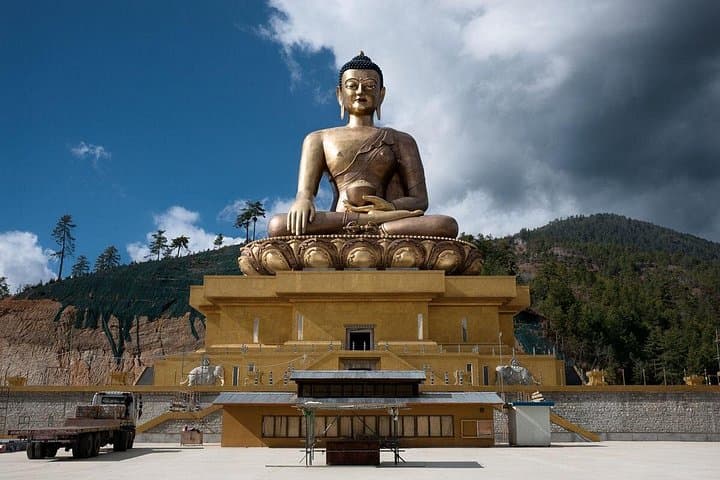
You step out of the car and the air is different — sharp, cool, and threaded with incense. Paro Valley unfurls below, rice terraces cutting the slopes, prayer flags flapping like measured breaths. Over nine days this private circuit moves you across Bhutan’s western spine: Thimphu’s hilltop Buddha, the Dochula ridgeline, the peat-scented Phobjikha wetlands, and the high, temple-strewn bowls of Bumthang.
You step out of the car and the air is different — sharp, cool, and threaded with incense. Paro Valley unfurls below, rice terraces cutting the slopes, prayer flags flapping like measured breaths. Over nine days this private circuit moves you across Bhutan’s western spine: Thimphu’s hilltop Buddha, the Dochula ridgeline, the peat-scented Phobjikha wetlands, and the high, temple-strewn bowls of Bumthang.
Geology here is young and raw: the Himalayan uplift has folded valleys into steep ridges, forcing settlements onto terraces and ridgelines. Culturally, Buddhism shapes rhythms — dzongs (fortress-monasteries) administer both civil and spiritual life, and village rituals still mark planting and harvest. Trongsa and Jakar carry layers of history from regional kings to the modern Wangchuck dynasty; Kyichu and Jambay Lhakhang link the landscape to ninth-century Himalayan routes.
Practical side: the itinerary includes mostly road travel with short cultural walks and one sustained hike to Taktsang (Tiger’s Nest). Expect the Taktsang trek to be 3–5 km one-way round-trip with roughly 900 m of ascent from the trailhead to the monastery (final altitude ≈3,200 m); plan 4–6 hours depending on pace and acclimatization. Trails are rocky and often steep; trekking poles and sturdy footwear help. The tour covers hotels, three meals daily, internal transport, a licensed guide, visas and the sustainable development fee — so focus on pacing, sun protection, layered clothing for big temperature swings, and carrying water for longer walks.
Respect temple etiquette, budget small bills for offerings and local crafts, and allow extra time at viewpoints — the mountains like to show themselves on their own schedule.