THE ADVENTURE COLLECTIVE® · Independent discovery and booking for outdoor travel

A concentrated three-day entry into Bhutan that pairs cultural sightseeing in Thimphu and Paro with the steep, 1–1.5 hour hike to Taktsang (Tiger’s Nest). Expect short flights, private transfers, and managed-access heritage sites.
A concentrated three-day entry into Bhutan that pairs cultural sightseeing in Thimphu and Paro with the steep, 1–1.5 hour hike to Taktsang (Tiger’s Nest). Expect short flights, private transfers, and managed-access heritage sites.
The plane banks low and the valley below opens like a folded map — terraced fields, clustered houses and the steep green shoulders of the Himalaya pressing close. A short flight from Kathmandu drops travelers into Paro; from there a two-hour drive along a ribbon of road leads to Thimphu, Bhutan’s calm administrative capital. On day two the landscape tightens again as a wide mountain path climbs to Taktsang, the Tiger’s Nest, clinging to a cliff face and daring you to look closer.
Verified experiences and guided adventures in the surrounding area.
Operated by Alpine Club of Himalaya · Paro, Paro District
The plane banks low and the valley below opens like a folded map — terraced fields, clustered houses and the steep green shoulders of the Himalaya pressing close. A short flight from Kathmandu drops travelers into Paro; from there a two-hour drive along a ribbon of road leads to Thimphu, Bhutan’s calm administrative capital. On day two the landscape tightens again as a wide mountain path climbs to Taktsang, the Tiger’s Nest, clinging to a cliff face and daring you to look closer.
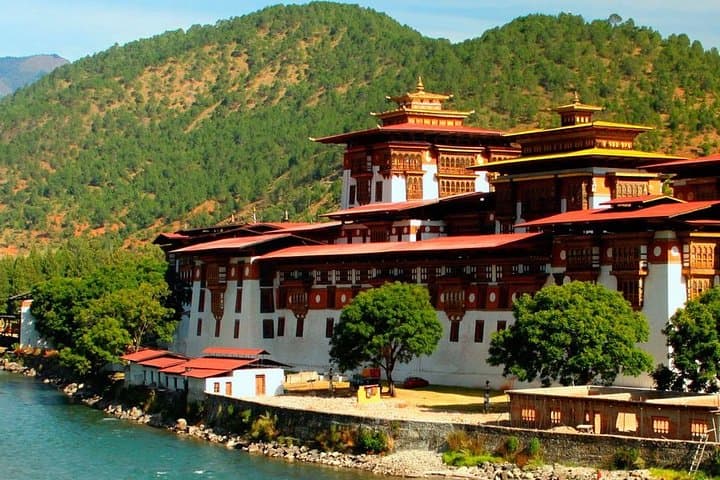
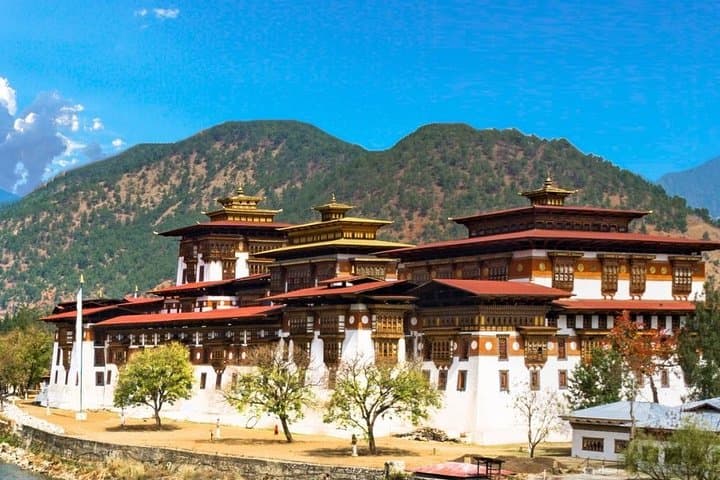
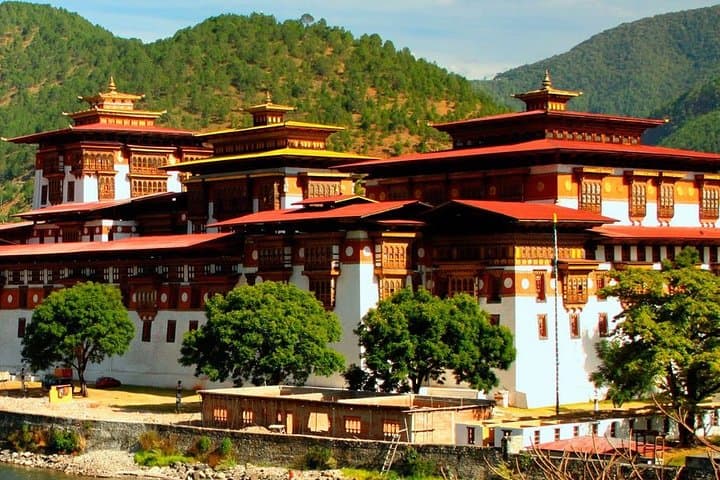
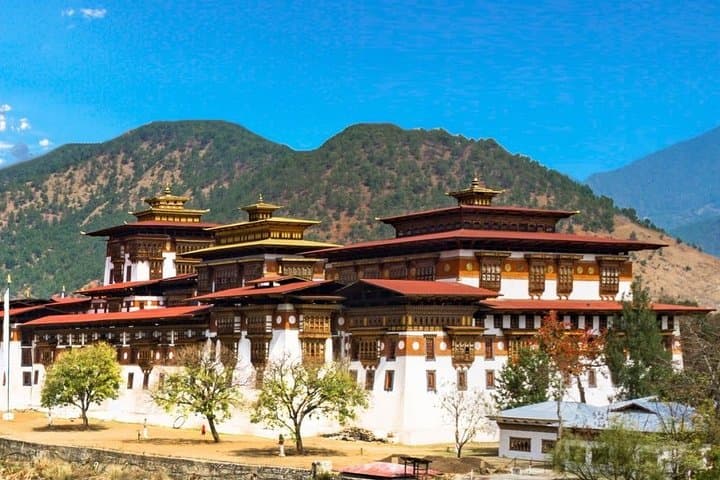
Bhutan’s living history is visible at every stop: fortresslike dzongs that once governed both civil and religious life, handwoven textiles preserving clan patterns, and Kyichu Lhakhang — one of the country’s oldest temples. Geologically, the Paro valley is young and uplifted, the steep relief shaping narrow river channels and abrupt viewpoints. Culturally, Bhutan balances Gross National Happiness with carefully managed tourism: visas, permits and local guides are part of the rhythm.
Practically, expect early flights (Kathmandu–Paro is about an hour), private transfers, 3-star hotels, and three full meals daily included. The Tiger’s Nest approach is a steep 1–1.5 hour hike on a wide path with stone steps; modest fitness and good footwear make the difference. Bring layers for rapid temperature swings, carry water, and plan your photo stops — the monastery is best seen in the clear morning light.
This short itinerary packs cultural landmarks and one sustained mountain hike into three days, offering a concentrated window into Bhutan’s spiritual and highland character without long, technical trekking.
moderate.
3 days.
Moderate — should be comfortable walking uphill for 60–90 minutes and able to manage multiple short drives on mountain roads.
Yes — the tour operator arranges the visa and necessary permits; you must supply passport scans and photos in advance.
The approach is a steady uphill walk of roughly 60–90 minutes on a wide trail with stone steps; it’s strenuous for some but not technical.
Flights operate on set days (often Monday, Wednesday and Saturday) and are weather-dependent; allow buffer time for international connections.
The itinerary includes all meals (breakfast, lunch and dinner) and stays in Bhutan A-grade/3-star hotels as listed by the operator.
Taktsang is said to be where Guru Rimpoche meditated after flying to the site on the back of a tigress; many dzongs in the region date to the 17th century when Bhutan consolidated under regional leaders.
Bhutan limits visitor numbers through permit systems and channels tourism revenue into protected-areas management; follow local rules on litter, photography and trail use to minimize impact.
Alpine Club of Himalaya operates guided outdoor trips and adventures with an emphasis on safety, stewardship, and memorable experiences.
The plane banks low and the valley below opens like a folded map — terraced fields, clustered houses and the steep green shoulders of the Himalaya pressing close. A short flight from Kathmandu drops travelers into Paro; from there a two-hour drive along a ribbon of road leads to Thimphu, Bhutan’s calm administrative capital. On day two the landscape tightens again as a wide mountain path climbs to Taktsang, the Tiger’s Nest, clinging to a cliff face and daring you to look closer.
The plane banks low and the valley below opens like a folded map — terraced fields, clustered houses and the steep green shoulders of the Himalaya pressing close. A short flight from Kathmandu drops travelers into Paro; from there a two-hour drive along a ribbon of road leads to Thimphu, Bhutan’s calm administrative capital. On day two the landscape tightens again as a wide mountain path climbs to Taktsang, the Tiger’s Nest, clinging to a cliff face and daring you to look closer.
Bhutan’s living history is visible at every stop: fortresslike dzongs that once governed both civil and religious life, handwoven textiles preserving clan patterns, and Kyichu Lhakhang — one of the country’s oldest temples. Geologically, the Paro valley is young and uplifted, the steep relief shaping narrow river channels and abrupt viewpoints. Culturally, Bhutan balances Gross National Happiness with carefully managed tourism: visas, permits and local guides are part of the rhythm.
Practically, expect early flights (Kathmandu–Paro is about an hour), private transfers, 3-star hotels, and three full meals daily included. The Tiger’s Nest approach is a steep 1–1.5 hour hike on a wide path with stone steps; modest fitness and good footwear make the difference. Bring layers for rapid temperature swings, carry water, and plan your photo stops — the monastery is best seen in the clear morning light.
This short itinerary packs cultural landmarks and one sustained mountain hike into three days, offering a concentrated window into Bhutan’s spiritual and highland character without long, technical trekking.