THE ADVENTURE COLLECTIVE® · Independent discovery and booking for outdoor travel

A compact, culturally rich 3-day itinerary through Paro and Thimphu that pairs a dramatic hike to Tiger’s Nest with visits to dzongs, Buddha Dordenma, and local markets. Ideal for travelers seeking a high-impact Himalayan experience in a short window.
A compact, culturally rich 3-day itinerary through Paro and Thimphu that pairs a dramatic hike to Tiger’s Nest with visits to dzongs, Buddha Dordenma, and local markets. Ideal for travelers seeking a high-impact Himalayan experience in a short window.
You step off a small Himalayan plane into Paro’s thin air and the mountains close in like a conversation. The valley smells of wood smoke and river-slick stone; prayer flags snap above a road that winds toward Thimphu. Over the next 72 hours you’ll move between quiet dzongs, a colossal seated Buddha, and the cliff-clinging Tiger’s Nest—each place shaped by both faith and the geology that carved these valleys.
Verified experiences and guided adventures in the surrounding area.
Operated by Mountain Hike Nepal · Paro, Paro District
You step off a small Himalayan plane into Paro’s thin air and the mountains close in like a conversation. The valley smells of wood smoke and river-slick stone; prayer flags snap above a road that winds toward Thimphu. Over the next 72 hours you’ll move between quiet dzongs, a colossal seated Buddha, and the cliff-clinging Tiger’s Nest—each place shaped by both faith and the geology that carved these valleys.
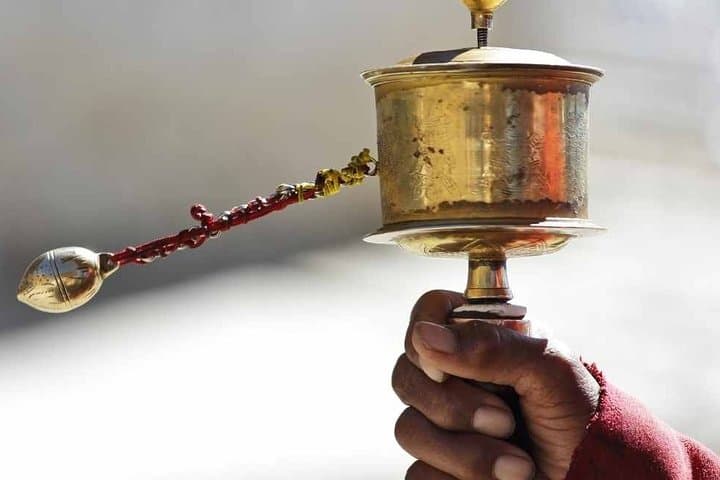
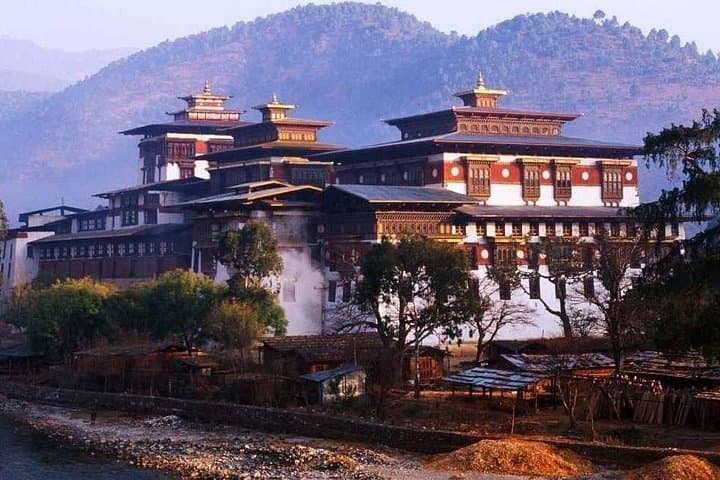
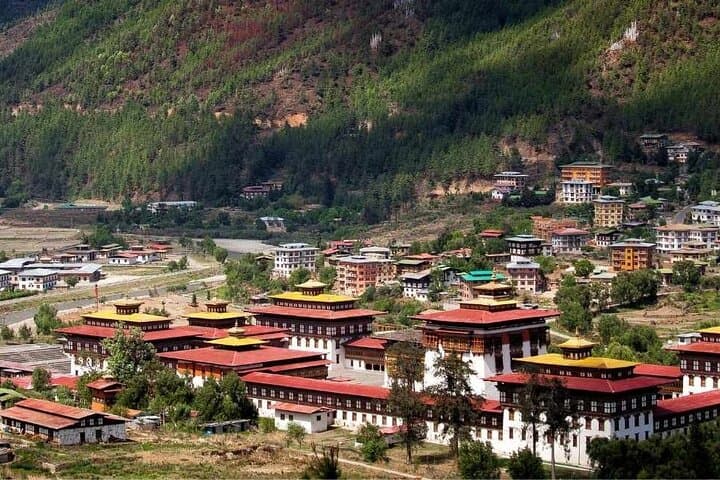
Bhutan’s history is visible in its architecture: fortified monasteries (dzongs) built during the 17th century and cliffside hermitages tied to Guru Rinpoche. Geologically, the Paro-Thimphu corridor is a young Himalayan fold, with steep river-cut valleys and metamorphic bedrock that creates dramatic escarpments. Culturally, Bhutan measures success in Gross National Happiness; you’ll notice deliberate pace, ritual, and respect—monastic chants, butter lamps, and carved woodwork at market stalls.
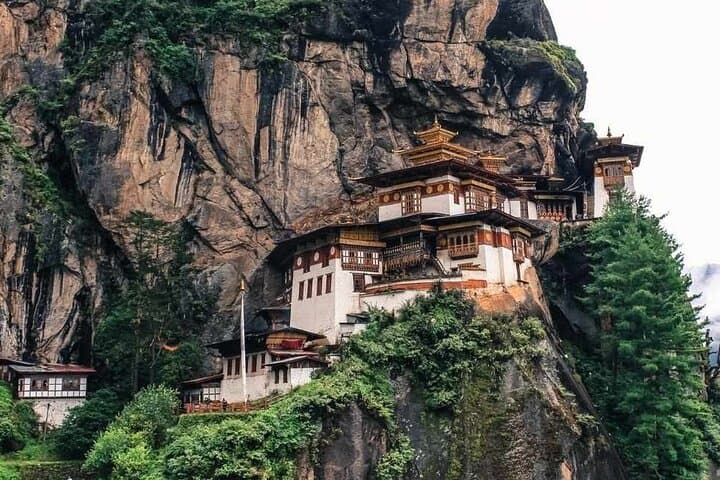
Practically, the trip moves fast. Flights into Paro offer peak Himalayan views when skies are clear; plan buffer time in Kathmandu (arrive 2.5 hours early if departing there). The Tiger’s Nest hike is a steep 2–3 hour ascent from the base, with stone steps and short exposed sections; altitude is moderate but noticeable. Bring layered clothing, a daypack with water, and sturdy footwear. Expect guided transfers between Paro and Thimphu, two hotel nights (3-star), and included meals and Bhutan visa support.
This itinerary is ideal for travelers who want a concentrated introduction to Bhutan’s spiritual sites, mountain scenery, and warm hospitality without committing to a longer trek.
moderate.
3 days.
Suitable for travelers in good general health who can manage 2–3 hours of uphill hiking at moderate altitude.
The ascent typically takes 2–3 hours one-way depending on fitness and pace, with a similar return time; allow 3–5 hours total for the visit.
Yes—your tour operator arranges a visa; book at least five days before travel to ensure processing.
Paro flights are scenic but weather-dependent; clear mornings offer the best views, and occasional delays can occur during monsoon or winter storms.
The itinerary is generally family-friendly, but the Tiger’s Nest hike can be strenuous; consider fitness and any altitude concerns before booking.
Paro and Thimphu's major dzongs date from the 17th century and reflect Bhutan’s unification under Zhabdrung Ngawang Namgyal; Paro Taktsang is tied to 8th-century tantric traditions of Guru Rinpoche.
Bhutan limits tourism through controlled permits and emphasizes low-impact travel; support local businesses and follow temple and trail guidelines to protect cultural sites and fragile alpine ecology.
Mountain Hike Nepal operates guided outdoor trips and adventures with an emphasis on safety, stewardship, and memorable experiences.
You step off a small Himalayan plane into Paro’s thin air and the mountains close in like a conversation. The valley smells of wood smoke and river-slick stone; prayer flags snap above a road that winds toward Thimphu. Over the next 72 hours you’ll move between quiet dzongs, a colossal seated Buddha, and the cliff-clinging Tiger’s Nest—each place shaped by both faith and the geology that carved these valleys.
You step off a small Himalayan plane into Paro’s thin air and the mountains close in like a conversation. The valley smells of wood smoke and river-slick stone; prayer flags snap above a road that winds toward Thimphu. Over the next 72 hours you’ll move between quiet dzongs, a colossal seated Buddha, and the cliff-clinging Tiger’s Nest—each place shaped by both faith and the geology that carved these valleys.
Bhutan’s history is visible in its architecture: fortified monasteries (dzongs) built during the 17th century and cliffside hermitages tied to Guru Rinpoche. Geologically, the Paro-Thimphu corridor is a young Himalayan fold, with steep river-cut valleys and metamorphic bedrock that creates dramatic escarpments. Culturally, Bhutan measures success in Gross National Happiness; you’ll notice deliberate pace, ritual, and respect—monastic chants, butter lamps, and carved woodwork at market stalls.
Practically, the trip moves fast. Flights into Paro offer peak Himalayan views when skies are clear; plan buffer time in Kathmandu (arrive 2.5 hours early if departing there). The Tiger’s Nest hike is a steep 2–3 hour ascent from the base, with stone steps and short exposed sections; altitude is moderate but noticeable. Bring layered clothing, a daypack with water, and sturdy footwear. Expect guided transfers between Paro and Thimphu, two hotel nights (3-star), and included meals and Bhutan visa support.
This itinerary is ideal for travelers who want a concentrated introduction to Bhutan’s spiritual sites, mountain scenery, and warm hospitality without committing to a longer trek.