THE ADVENTURE COLLECTIVE® · Independent discovery and booking for outdoor travel

Short, steep and close to Kathmandu: lower Bhote Koshi delivers punchy class II–III rapids, riverside culture at Dolalghat, and a manageable full-day introduction to Himalayan whitewater. Expect cold glacial water, expert-guided runs, and a riverside lunch.
Short, steep and close to Kathmandu: lower Bhote Koshi delivers punchy class II–III rapids, riverside culture at Dolalghat, and a manageable full-day introduction to Himalayan whitewater. Expect cold glacial water, expert-guided runs, and a riverside lunch.
The roar arrives before the canyon comes into view: cold water cutting granite, spray catching light as your raft drops into the first rapid. On a full-day run of the lower Bhote Koshi, the river keeps you engaged—short, athletic rapids that flip quickly into flat pools where the Himalayan current invites a swim.
Verified experiences and guided adventures in the surrounding area.
Operated by Navigate Outdoor Pvt. Ltd. · Dolalghat, Bagmati Province
The roar arrives before the canyon comes into view: cold water cutting granite, spray catching light as your raft drops into the first rapid. On a full-day run of the lower Bhote Koshi, the river keeps you engaged—short, athletic rapids that flip quickly into flat pools where the Himalayan current invites a swim.
The Bhote Koshi drains from high glacial basins along the Nepal–Tibet divide; historically the valley has been a trade corridor and a route for local communities around Dolalghat. Geologically the river is young and steep, slicing through fractured bedrock and boulder gardens that create continuous class II–III whitewater on the lower sections. Culturally the route bends past trading hamlets where roadside stalls sell fried snacks and sweet tea—stopping in Dolalghat for street food is part of the day.
Expect an early pickup in Kathmandu and a roughly two-hour drive upriver. Guides run a safety briefing and equip you with a helmet and lifejacket before a runnable stretch of river that alternates pocket rapids and calm eddies—perfect for first-timers wanting real whitewater without extreme commitment. Lunch is typically a buffet at the riverside camp; crews follow standard safety and COVID protocols.
Practical: wear quick-dry layers, secure footwear, and bring a waterproof bag for phone and wallet. Hydrate before you leave, and if you don’t swim comfortably, tell your guide—wet-exit practice and floatation make the day safe and social. For those who enjoy it, this trip is a straightforward introduction to longer Nepalese expeditions.
moderate.
8–10 hours.
Moderate fitness—able to sit, brace in rapids, and handle occasional swims; basic swimming skills recommended.
Expect about a two-hour transfer each way depending on traffic; operators typically pick up early morning for a full-day program.
The lower Bhote Koshi run offered on day trips is generally class II–III—technical enough to be exciting but suitable for novices under guide supervision.
No—this trip is designed for mixed experience levels; guides provide safety briefings, gear, and coaching for paddling and wet exits.
Yes, you will get wet and there are calm pools suitable for swimming; guides ensure floatation and assistance for anyone who ends up in the water.
The Bhote Koshi valley has long been a trade route linking Tibetan highlands to Nepalese lowlands; modern rafting began here as a commercial sport in the late 20th century.
Operators increasingly practice leave-no-trace and limit river-camp waste; avoid single-use plastics and follow guide instructions to reduce impact.
Navigate Outdoor Pvt. Ltd. operates guided outdoor trips and adventures with an emphasis on safety, stewardship, and memorable experiences.
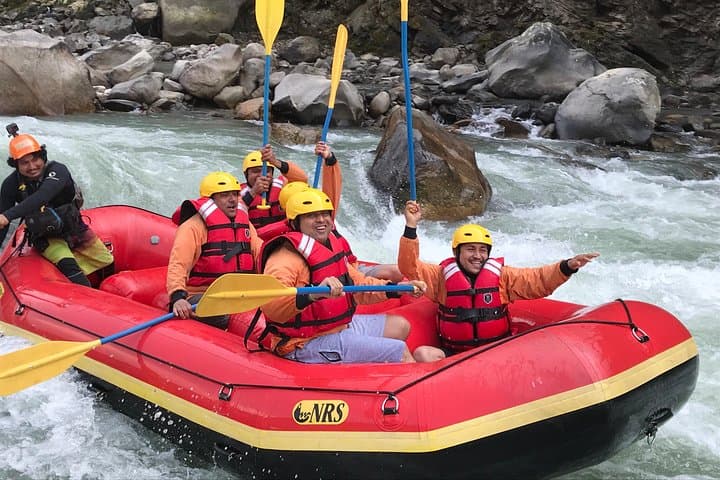
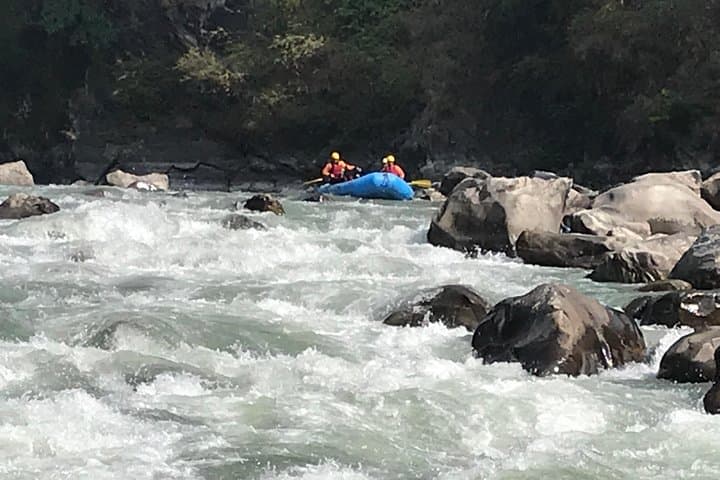
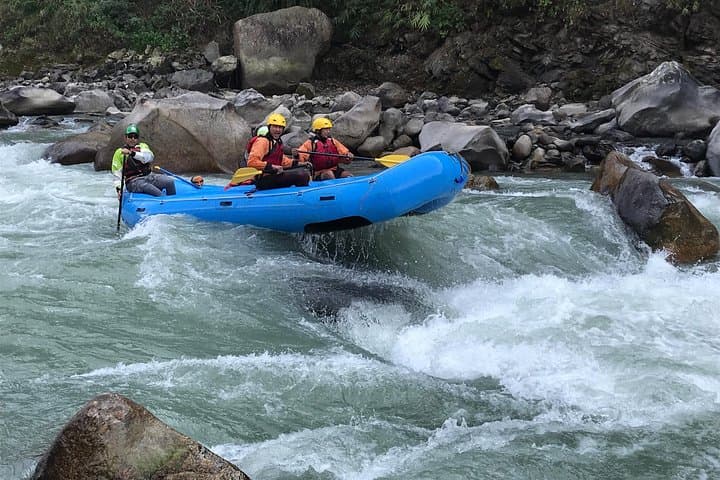
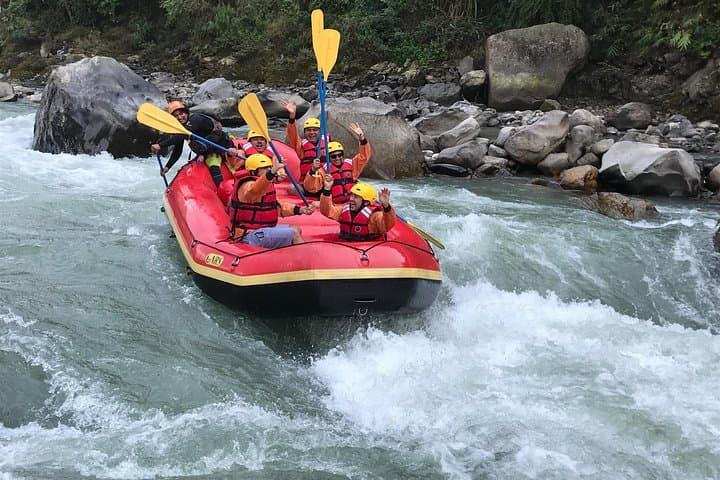
The roar arrives before the canyon comes into view: cold water cutting granite, spray catching light as your raft drops into the first rapid. On a full-day run of the lower Bhote Koshi, the river keeps you engaged—short, athletic rapids that flip quickly into flat pools where the Himalayan current invites a swim.
The roar arrives before the canyon comes into view: cold water cutting granite, spray catching light as your raft drops into the first rapid. On a full-day run of the lower Bhote Koshi, the river keeps you engaged—short, athletic rapids that flip quickly into flat pools where the Himalayan current invites a swim.
The Bhote Koshi drains from high glacial basins along the Nepal–Tibet divide; historically the valley has been a trade corridor and a route for local communities around Dolalghat. Geologically the river is young and steep, slicing through fractured bedrock and boulder gardens that create continuous class II–III whitewater on the lower sections. Culturally the route bends past trading hamlets where roadside stalls sell fried snacks and sweet tea—stopping in Dolalghat for street food is part of the day.
Expect an early pickup in Kathmandu and a roughly two-hour drive upriver. Guides run a safety briefing and equip you with a helmet and lifejacket before a runnable stretch of river that alternates pocket rapids and calm eddies—perfect for first-timers wanting real whitewater without extreme commitment. Lunch is typically a buffet at the riverside camp; crews follow standard safety and COVID protocols.
Practical: wear quick-dry layers, secure footwear, and bring a waterproof bag for phone and wallet. Hydrate before you leave, and if you don’t swim comfortably, tell your guide—wet-exit practice and floatation make the day safe and social. For those who enjoy it, this trip is a straightforward introduction to longer Nepalese expeditions.