THE ADVENTURE COLLECTIVE® · Independent discovery and booking for outdoor travel

Explore the eerie 17th-century ruins of Bhangarh Fort on a guided full-day trip from Jaipur. This tour combines architecture, local legends, and panoramic hilltop views with private transport and an English-speaking guide.
Explore the eerie 17th-century ruins of Bhangarh Fort on a guided full-day trip from Jaipur. This tour combines architecture, local legends, and panoramic hilltop views with private transport and an English-speaking guide.
You climb into the cool of a private vehicle before dawn and watch Rajasthan’s scrubby hills unspool as the driver heads toward the ruined silhouette of Bhangarh Fort. By mid-morning you stand between crumbling gateways and temple porticos; wind pushes through broken walls and the stones seem to keep the day’s heat and yesterday’s stories.
Verified experiences and guided adventures in the surrounding area.
Operated by Sun Leisure World India · Bhangarh, Rajasthan
You climb into the cool of a private vehicle before dawn and watch Rajasthan’s scrubby hills unspool as the driver heads toward the ruined silhouette of Bhangarh Fort. By mid-morning you stand between crumbling gateways and temple porticos; wind pushes through broken walls and the stones seem to keep the day’s heat and yesterday’s stories.
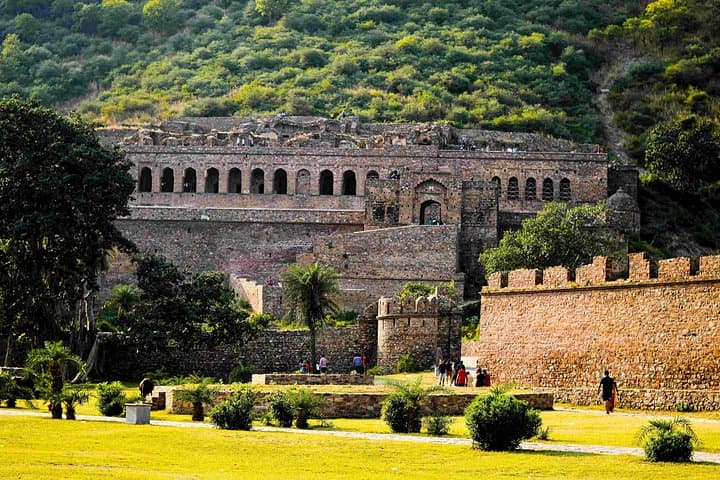
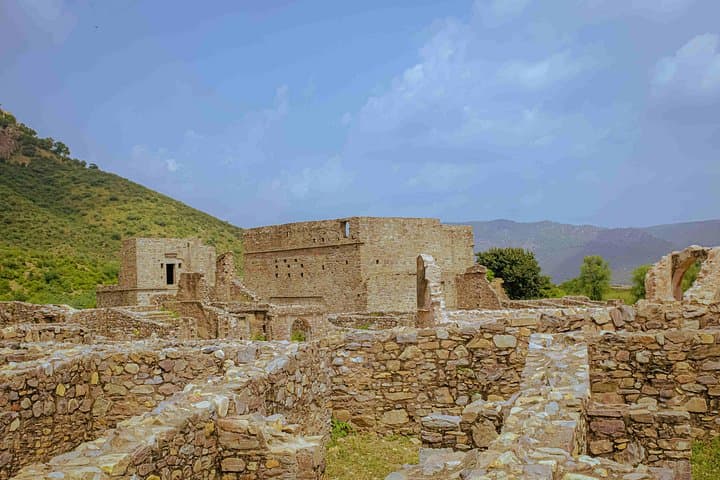
Bhangarh dates to the 17th century, a Rajput-era fort complex built of pale sandstone at the edge of the Aravalli foothills. Geology here is granite and schist folded into low hills; vegetation is thorn scrub that brings gray-green contrast to sunlit walls. Local culture layers on folklore: tales of a curse and abandoned bazaars have turned the site into both a history lesson and a spine-tingling attraction.
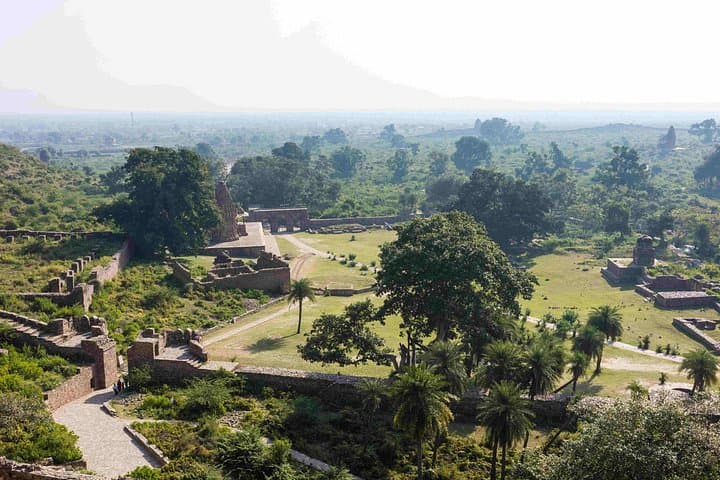
The guided, full-day trip from Jaipur pairs archaeological context with on-site storytelling; expect stops at temples, palace ruins, and the main gate with panoramic views over the surrounding valley. The Archaeological Survey of India manages the site and enforces a strict no-entry after sunset rule.
Practical guidance: wear grippy shoes for uneven stone and steps, bring 1–2 liters of water, and plan to visit in the cooler hours between October and March when temperatures are comfortable. Photography is routine but drone use typically requires permission. The tour includes private transport, an English-speaking guide, entrance fees, and bottled water—so you can focus on the ruins, the stories, and the light shifting across a place that feels paused between history and rumor.
easy.
10 hours (full day).
Suitable for travelers with basic mobility; involves walking on uneven surfaces and climbing short flights of stone steps.
Yes — this full-day tour includes entrance fees according to the itinerary details.
No — the Archaeological Survey of India prohibits entry between sunset and sunrise for safety and preservation reasons.
Generally yes; the tour is listed as suitable for all fitness levels, but there are uneven surfaces and steps—supervise young children and assess mobility needs for older adults.
Drone use is restricted in many protected and archaeological sites; check with local authorities and the tour operator for permissions before flying.
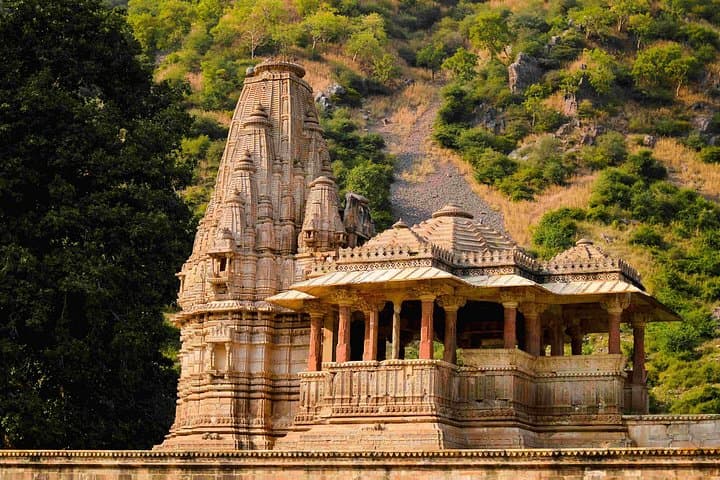
Bhangarh Fort was established in the 17th century within the Aravalli foothills and contains temples, palaces, and gateways reflecting Rajput and Mughal-era architecture and settlement patterns.
The Archaeological Survey of India administers the site; visitors should stay on designated paths, avoid climbing fragile walls, and carry out all trash to reduce erosion and preserve masonry.
Sun Leisure World India operates guided outdoor trips and adventures with an emphasis on safety, stewardship, and memorable experiences.
You climb into the cool of a private vehicle before dawn and watch Rajasthan’s scrubby hills unspool as the driver heads toward the ruined silhouette of Bhangarh Fort. By mid-morning you stand between crumbling gateways and temple porticos; wind pushes through broken walls and the stones seem to keep the day’s heat and yesterday’s stories.
You climb into the cool of a private vehicle before dawn and watch Rajasthan’s scrubby hills unspool as the driver heads toward the ruined silhouette of Bhangarh Fort. By mid-morning you stand between crumbling gateways and temple porticos; wind pushes through broken walls and the stones seem to keep the day’s heat and yesterday’s stories.
Bhangarh dates to the 17th century, a Rajput-era fort complex built of pale sandstone at the edge of the Aravalli foothills. Geology here is granite and schist folded into low hills; vegetation is thorn scrub that brings gray-green contrast to sunlit walls. Local culture layers on folklore: tales of a curse and abandoned bazaars have turned the site into both a history lesson and a spine-tingling attraction.
The guided, full-day trip from Jaipur pairs archaeological context with on-site storytelling; expect stops at temples, palace ruins, and the main gate with panoramic views over the surrounding valley. The Archaeological Survey of India manages the site and enforces a strict no-entry after sunset rule.
Practical guidance: wear grippy shoes for uneven stone and steps, bring 1–2 liters of water, and plan to visit in the cooler hours between October and March when temperatures are comfortable. Photography is routine but drone use typically requires permission. The tour includes private transport, an English-speaking guide, entrance fees, and bottled water—so you can focus on the ruins, the stories, and the light shifting across a place that feels paused between history and rumor.