THE ADVENTURE COLLECTIVE® · Independent discovery and booking for outdoor travel

Spend a full day exploring Bhaktapur’s medieval streets and the hilltop pilgrimage of Namo Buddha. This tour pairs UNESCO-listed urban heritage with panoramic valley views and sacred monasteries—ideal for travelers seeking cultural depth without technical hiking.
Spend a full day exploring Bhaktapur’s medieval streets and the hilltop pilgrimage of Namo Buddha. This tour pairs UNESCO-listed urban heritage with panoramic valley views and sacred monasteries—ideal for travelers seeking cultural depth without technical hiking.
You step out of the vehicle onto a sun-warmed brick plaza and the air smells faintly of incense and baking clay—Bhaktapur's narrow alleys pull you into a rhythm of monks' bells and market calls. From the plaza you can see terraced hills folding away toward the valley rim; on a clear day the Himalaya pins the skyline like a distant promise.
Verified experiences and guided adventures in the surrounding area.
Operated by Kathmandu Adventures Travel and Tours · Bhaktapur, Bagmati Province
You step out of the vehicle onto a sun-warmed brick plaza and the air smells faintly of incense and baking clay—Bhaktapur's narrow alleys pull you into a rhythm of monks' bells and market calls. From the plaza you can see terraced hills folding away toward the valley rim; on a clear day the Himalaya pins the skyline like a distant promise.
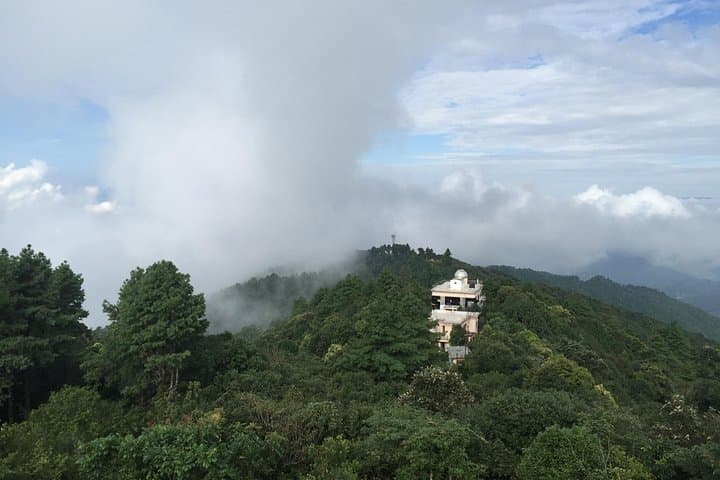
Bhaktapur is one of the Kathmandu Valley's ancient capitals, its Newar architecture and wood-carved temples a visible record of medieval city planning and artisan craft. Geologically the valley sits in a high bowl of alluvial deposits surrounded by folded hills; the route to Namo Buddha climbs out of the basin and traces ridgelines where terraced fields give way to pine and rhododendron.
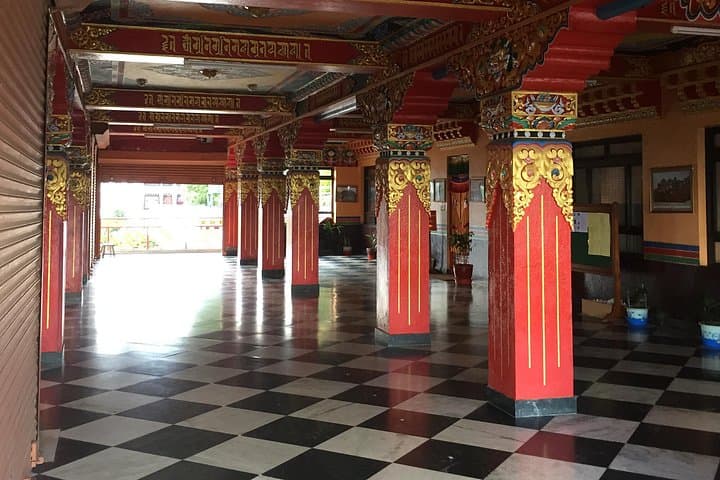
Culturally the day mixes living urban heritage—pottery squares, palace courtyards—with Tibetan-Buddhist pilgrimage at Namo Buddha and the modern giant Kailashnath Mahadev statue. Local guides often point out community-run workshops and social enterprises that reinvest tourism income into schools and cooperatives.
Practical guidance: the tour is long (8–10 hours) with short walks around sites and some uphill roadside walking between viewpoints. Wear comfortable walking shoes, carry sun protection and a refillable water bottle, and bring your passport for variable entry fees. Expect basic roadside lunches and periods in the vehicle; mornings offer the clearest valley-to-peak views, so plan the tour as an early-start day. Respect temple etiquette—modest dress, shoe removal where required—and give time for quiet at monasteries to absorb the atmosphere.
easy.
8–10 hours.
Light activity level: suitable for most people who can handle short urban walks and brief uphill stretches.
The tour runs about 8–10 hours with short guided walks at each site; expect mostly vehicle transfers with 15–120 minute stops for exploration.
Bhaktapur entrance fees vary by nationality and are not always included—bring your passport and small cash; some attractions listed include admission, others do not.
The tour is suitable for families and those with moderate mobility, but historic sites have uneven surfaces and steps—assistance may be required for some areas.
The tour typically includes bottled water and a light lunch; bring snacks if you have dietary preferences or need more substantial food.
Bhaktapur served as a medieval capital of the Malla kingdom and preserves concentrated examples of Newar architecture and craft traditions.
Many local operators work with community co-ops and charities; visitors help sustain traditional crafts, so buy local and avoid single-use plastics when possible.
Kathmandu Adventures Travel and Tours operates guided outdoor trips and adventures with an emphasis on safety, stewardship, and memorable experiences.
You step out of the vehicle onto a sun-warmed brick plaza and the air smells faintly of incense and baking clay—Bhaktapur's narrow alleys pull you into a rhythm of monks' bells and market calls. From the plaza you can see terraced hills folding away toward the valley rim; on a clear day the Himalaya pins the skyline like a distant promise.
You step out of the vehicle onto a sun-warmed brick plaza and the air smells faintly of incense and baking clay—Bhaktapur's narrow alleys pull you into a rhythm of monks' bells and market calls. From the plaza you can see terraced hills folding away toward the valley rim; on a clear day the Himalaya pins the skyline like a distant promise.
Bhaktapur is one of the Kathmandu Valley's ancient capitals, its Newar architecture and wood-carved temples a visible record of medieval city planning and artisan craft. Geologically the valley sits in a high bowl of alluvial deposits surrounded by folded hills; the route to Namo Buddha climbs out of the basin and traces ridgelines where terraced fields give way to pine and rhododendron.
Culturally the day mixes living urban heritage—pottery squares, palace courtyards—with Tibetan-Buddhist pilgrimage at Namo Buddha and the modern giant Kailashnath Mahadev statue. Local guides often point out community-run workshops and social enterprises that reinvest tourism income into schools and cooperatives.
Practical guidance: the tour is long (8–10 hours) with short walks around sites and some uphill roadside walking between viewpoints. Wear comfortable walking shoes, carry sun protection and a refillable water bottle, and bring your passport for variable entry fees. Expect basic roadside lunches and periods in the vehicle; mornings offer the clearest valley-to-peak views, so plan the tour as an early-start day. Respect temple etiquette—modest dress, shoe removal where required—and give time for quiet at monasteries to absorb the atmosphere.