THE ADVENTURE COLLECTIVE® · Independent discovery and booking for outdoor travel

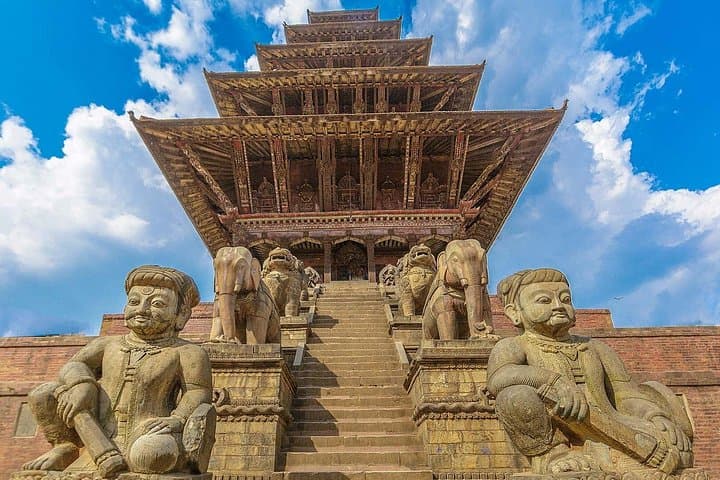
Walk beneath ornate carved windows and climb toward Nyatapola’s five tiers on a private half-day tour of Bhaktapur. This guided visit packs the Durbar Square highlights and a local lunch into a manageable cultural outing from Kathmandu.
Walk beneath ornate carved windows and climb toward Nyatapola’s five tiers on a private half-day tour of Bhaktapur. This guided visit packs the Durbar Square highlights and a local lunch into a manageable cultural outing from Kathmandu.
You step off the car and the air changes—dusty ochre bricks, carved woodwork casting lattice shadows, and a bell that seems to call the neighborhood to attention. The narrow lanes of Bhaktapur open like chapters of a book written in stone and timber: courtyards, stepped temples, and courtyards where potters turn wet clay under bright sun.
Verified experiences and guided adventures in the surrounding area.
Operated by Liberty Holidays · Bhaktapur, Bagmati Province
You step off the car and the air changes—dusty ochre bricks, carved woodwork casting lattice shadows, and a bell that seems to call the neighborhood to attention. The narrow lanes of Bhaktapur open like chapters of a book written in stone and timber: courtyards, stepped temples, and courtyards where potters turn wet clay under bright sun.
Bhaktapur was a medieval Newar kingdom at the heart of the Kathmandu Valley. Its plazas and palaces were shaped during the Malla period (14th–18th centuries) and survive as some of Nepal’s most concentrated examples of traditional wood and stone craftsmanship. Geologically, the valley itself is an uplifted basin once occupied by an ancient lake; the city’s baked-clay bricks and terraced rooftops reflect centuries of local materials and earthquake repairs.
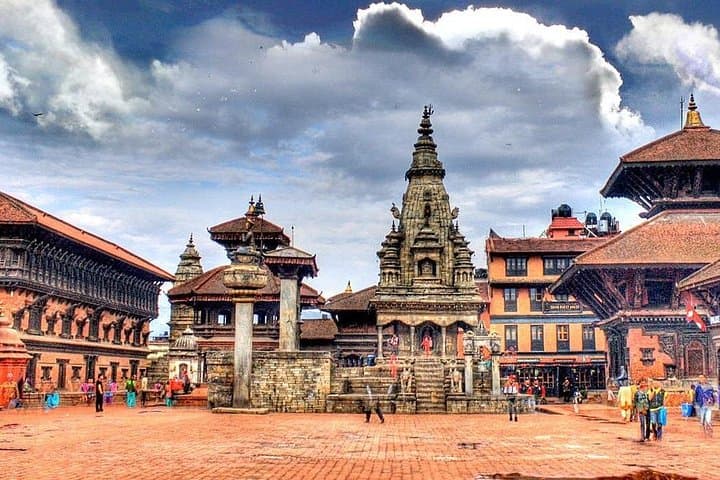
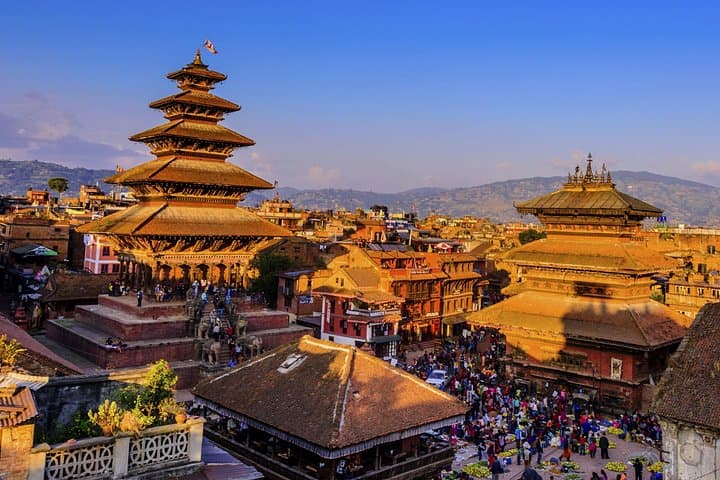
Culturally the town is deliberate—rituals, festivals and craft trades continue with daily rhythm. On a private half-day tour you’ll move through Durbar Square to see the 55-Window Palace, Golden Gate, Nyatapola five-story pagoda and the famed Peacock Window, then descend to Pottery Square where clay pieces dry in the sun.
Practical guidance: allow four hours, wear comfortable walking shoes for uneven stones and narrow alleys, carry small change for entrance fees and snacks, and bring a reusable water bottle—shops are available but cash is preferred. Aim for a morning or late-afternoon start to avoid mid-day heat and to catch better light for photos. Respect temple areas: modest dress and quiet voices preserve both the experience and the sites.
easy.
3–4 hours.
Suitable for most fitness levels; involves standing and walking on uneven ground for several hours.
Yes—pickup and drop-off from hotels inside Kathmandu city are included; provide your hotel name and preferred start time when booking.
Admission to Bhaktapur Durbar Square is typically included on this tour; confirm with the operator as policies can change.
The tour is rated easy and suitable for most ages, but it is not wheelchair accessible and involves walking on uneven surfaces.
Private guides commonly speak English; confirm availability of other languages when booking.
Bhaktapur (Bhadgaon) flourished under the Malla kings from the 14th century and preserves concentrated examples of Newar architecture and craftsmanship despite successive earthquakes.
Post-earthquake restoration and UNESCO-aware conservation efforts prioritize traditional techniques; visitors can help by staying on paths, avoiding touching fragile carvings, and minimizing plastic waste.
Liberty Holidays operates guided outdoor trips and adventures with an emphasis on safety, stewardship, and memorable experiences.
You step off the car and the air changes—dusty ochre bricks, carved woodwork casting lattice shadows, and a bell that seems to call the neighborhood to attention. The narrow lanes of Bhaktapur open like chapters of a book written in stone and timber: courtyards, stepped temples, and courtyards where potters turn wet clay under bright sun.
You step off the car and the air changes—dusty ochre bricks, carved woodwork casting lattice shadows, and a bell that seems to call the neighborhood to attention. The narrow lanes of Bhaktapur open like chapters of a book written in stone and timber: courtyards, stepped temples, and courtyards where potters turn wet clay under bright sun.
Bhaktapur was a medieval Newar kingdom at the heart of the Kathmandu Valley. Its plazas and palaces were shaped during the Malla period (14th–18th centuries) and survive as some of Nepal’s most concentrated examples of traditional wood and stone craftsmanship. Geologically, the valley itself is an uplifted basin once occupied by an ancient lake; the city’s baked-clay bricks and terraced rooftops reflect centuries of local materials and earthquake repairs.
Culturally the town is deliberate—rituals, festivals and craft trades continue with daily rhythm. On a private half-day tour you’ll move through Durbar Square to see the 55-Window Palace, Golden Gate, Nyatapola five-story pagoda and the famed Peacock Window, then descend to Pottery Square where clay pieces dry in the sun.
Practical guidance: allow four hours, wear comfortable walking shoes for uneven stones and narrow alleys, carry small change for entrance fees and snacks, and bring a reusable water bottle—shops are available but cash is preferred. Aim for a morning or late-afternoon start to avoid mid-day heat and to catch better light for photos. Respect temple areas: modest dress and quiet voices preserve both the experience and the sites.