THE ADVENTURE COLLECTIVE® · Independent discovery and booking for outdoor travel

Explore Bhaktapur’s medieval squares, from Nyatapola’s towering presence to the pottery-filled alleys. This three-hour excursion pairs Newar architecture, local crafts and street food in an accessible walking tour.
Explore Bhaktapur’s medieval squares, from Nyatapola’s towering presence to the pottery-filled alleys. This three-hour excursion pairs Newar architecture, local crafts and street food in an accessible walking tour.
Cobblestones click underfoot as you push through a narrow lane and the city opens into cool, sunlit courtyards — this is Bhaktapur Durbar Square, where brick, carved wood and metalwork wear centuries of hands like a map.
Verified experiences and guided adventures in the surrounding area.
Operated by Himalayan Smile Treks and Adventure Pvt. Ltd · Bhaktapur, Bagmati Province
Cobblestones click underfoot as you push through a narrow lane and the city opens into cool, sunlit courtyards — this is Bhaktapur Durbar Square, where brick, carved wood and metalwork wear centuries of hands like a map.
The core sites — Taumadhi Tol with its towering Nyatapola Temple, Dattatreya Square’s carved houses, and the pottery-filled lanes — trace Bhaktapur’s rise as a medieval Newar kingdom. The square sits on alluvial terraces left by ancient rivers; the clay bricks and terracotta roofs are local geology shaped by human craft. Newari culture is visible in the architecture, in the rhythms of daily ritual, and on plates: try the yogurt and a local Newari lunch to taste a culinary heritage.
Expect detailed wood carvings, narrow alleyways that funnel light and sound, and small workshops where potters and metalworkers still practice techniques passed down generations. Photography is rewarding but respectful distance is important — many surfaces are fragile.
Practical guide: the excursion runs about three hours on relatively flat, pedestrianized surfaces — accessible for most walkers but uneven bricks and steps mean good footwear is essential. Mid-morning or late afternoon avoids midday heat and crowds. Bring water, small local currency for market stalls, and allow time to climb small viewing platforms for better vantage points.
This trip mixes culture and easy urban exploration: lean into the craft workshops, try Newari food, and give yourself room to pause — the city will reward slow observation with details you’ll miss at a glance.
easy.
3–3.5 hours.
Suitable for most fitness levels; expect walking on uneven brick and short steps.
The tour is approximately three hours (about 184 minutes) covering Bhaktapur’s main squares and nearby workshops.
Major areas are wheelchair accessible but some lanes and viewing platforms have steps; confirm accessibility needs in advance.
This itinerary generally does not include monument admission; check your booking details or bring funds for entry where required.
Yes — Bhaktapur is known for Newari cuisine and yogurt; the tour often includes a lunch stop or recommendations for local eateries.
Bhaktapur was a medieval Newar kingdom; its Durbar Square grew between the 12th and 18th centuries and was inscribed as a UNESCO World Heritage Site in 1979.
Post-earthquake restoration and ongoing conservation focus on preserving original materials and supporting local artisans — avoid touching fragile carvings and buy locally-made goods to support the community.
Himalayan Smile Treks and Adventure Pvt. Ltd operates guided outdoor trips and adventures with an emphasis on safety, stewardship, and memorable experiences.
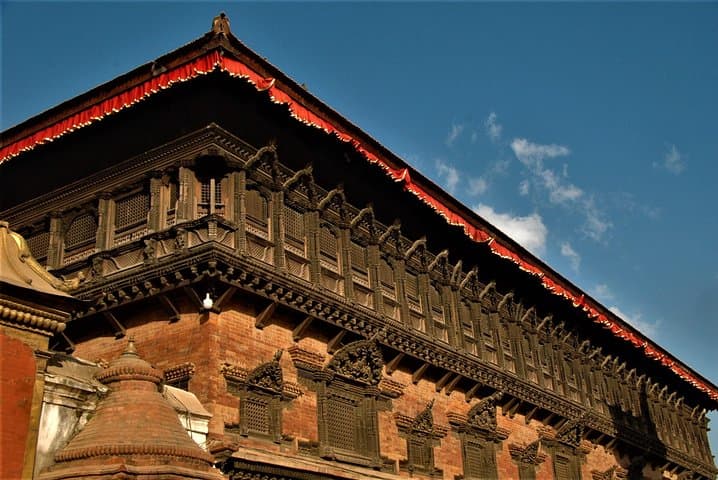

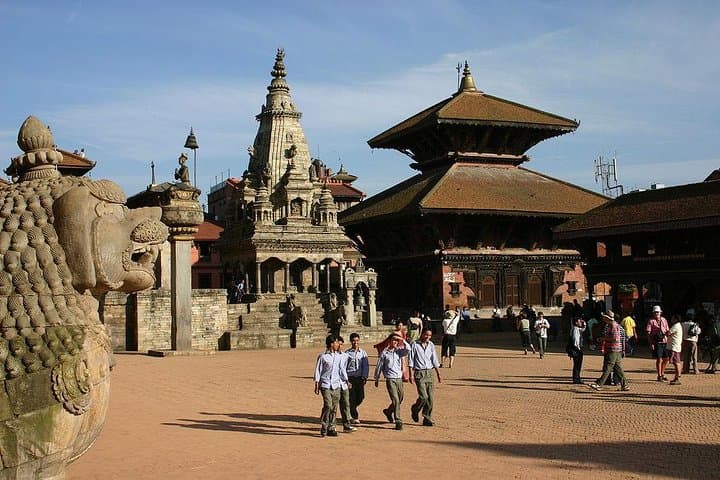

Cobblestones click underfoot as you push through a narrow lane and the city opens into cool, sunlit courtyards — this is Bhaktapur Durbar Square, where brick, carved wood and metalwork wear centuries of hands like a map.
Cobblestones click underfoot as you push through a narrow lane and the city opens into cool, sunlit courtyards — this is Bhaktapur Durbar Square, where brick, carved wood and metalwork wear centuries of hands like a map.
The core sites — Taumadhi Tol with its towering Nyatapola Temple, Dattatreya Square’s carved houses, and the pottery-filled lanes — trace Bhaktapur’s rise as a medieval Newar kingdom. The square sits on alluvial terraces left by ancient rivers; the clay bricks and terracotta roofs are local geology shaped by human craft. Newari culture is visible in the architecture, in the rhythms of daily ritual, and on plates: try the yogurt and a local Newari lunch to taste a culinary heritage.
Expect detailed wood carvings, narrow alleyways that funnel light and sound, and small workshops where potters and metalworkers still practice techniques passed down generations. Photography is rewarding but respectful distance is important — many surfaces are fragile.
Practical guide: the excursion runs about three hours on relatively flat, pedestrianized surfaces — accessible for most walkers but uneven bricks and steps mean good footwear is essential. Mid-morning or late afternoon avoids midday heat and crowds. Bring water, small local currency for market stalls, and allow time to climb small viewing platforms for better vantage points.
This trip mixes culture and easy urban exploration: lean into the craft workshops, try Newari food, and give yourself room to pause — the city will reward slow observation with details you’ll miss at a glance.