THE ADVENTURE COLLECTIVE® · Independent discovery and booking for outdoor travel

Explore Bhaktapur’s monumental Durbar Square then get hands-on at Pottery Square in a half-day guided tour. Learn Newar history, try a pottery wheel, and return to Kathmandu with a crafted keepsake.
Explore Bhaktapur’s monumental Durbar Square then get hands-on at Pottery Square in a half-day guided tour. Learn Newar history, try a pottery wheel, and return to Kathmandu with a crafted keepsake.
You step off the minivan into a plaza where ancient brick walls hold the city’s pace—Bhaktapur Durbar Square opens like a scene from a living chronicle. Nyatapola Temple rises five stories above the square, and the 55-Window Palace’s carved wood seems to watch visitors with weathered patience. A few alleys away, Pottery Square vibrates with the rhythm of wheels and wet hands shaping clay into bowls and urns.
Verified experiences and guided adventures in the surrounding area.
Operated by Peak to Peak Tours and Treks Pvt Ltd · Bhaktapur, Bagmati Province
You step off the minivan into a plaza where ancient brick walls hold the city’s pace—Bhaktapur Durbar Square opens like a scene from a living chronicle. Nyatapola Temple rises five stories above the square, and the 55-Window Palace’s carved wood seems to watch visitors with weathered patience. A few alleys away, Pottery Square vibrates with the rhythm of wheels and wet hands shaping clay into bowls and urns.
Bhaktapur was a commercial and artistic center of the Malla kings; the stone and woodwork here date to the medieval period and reflect Newar craftsmanship. The clay used by potters comes from local alluvial deposits and has been worked in these courtyards for generations, a practice that ties geology to craft. The tour threads cultural context with hands-on learning—an English-speaking guide explains temple iconography and then hands you a lump of clay to shape under a local artisan’s direction.
Expect cobbled surfaces and short, deliberate walks between sites; the experience is low-impact but sensory-rich—dust, kiln smoke, the soft thud of feet on brick. Practicalities: tours typically include private transport from Kathmandu, last about 5–6 hours, and accommodate most fitness levels. Bring small local currency for market purchases, wear grippy shoes for uneven courtyards, and allow extra time if you want a more detailed pottery session. Pottery pieces are glazed and left to dry or arranged for later pick up/shipping depending on the provider. Overall, this trip pairs cultural history with a tactile craft that leaves you with a tangible memory.
easy.
5–6 hours.
Light walking; suitable for most people comfortable with short walks on uneven surfaces
Yes—transportation and some areas of Durbar Square and Pottery Square are reported as wheelchair accessible, but narrow alleys and steps may limit full access to certain spots.
Small pieces are typically glazed and left to dry; depending on kiln schedules, your piece may be ready to take home the same day or arranged for later pickup or shipping—confirm with the operator.
Expect short, gentle walks around the square and between the pottery area—overall physical demand is low and suitable for most fitness levels.
This tour description indicates admissions are included for Durbar Square; confirm specifics with the provider at booking.
Bhaktapur flourished under the Malla dynasty (12th–18th centuries) and retains concentrated examples of Newar woodcarving and brickwork from that era.
Ongoing restoration after earthquakes and tourism pressures means visitors should stick to marked paths, avoid touching fragile carvings, and support local artisans directly.
Peak to Peak Tours and Treks Pvt Ltd operates guided outdoor trips and adventures with an emphasis on safety, stewardship, and memorable experiences.
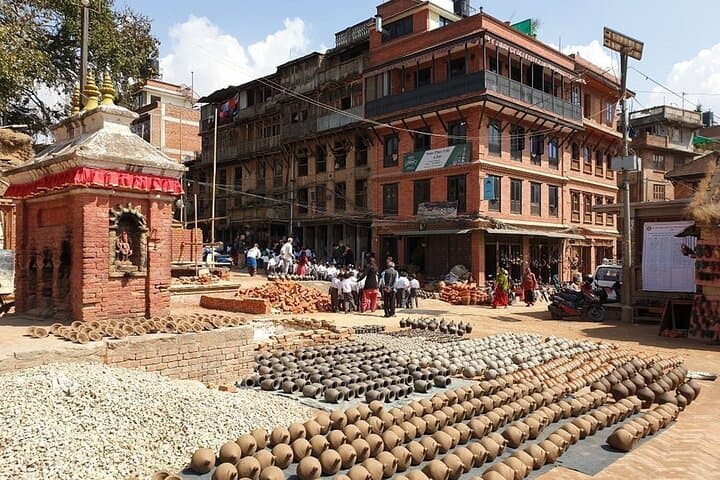
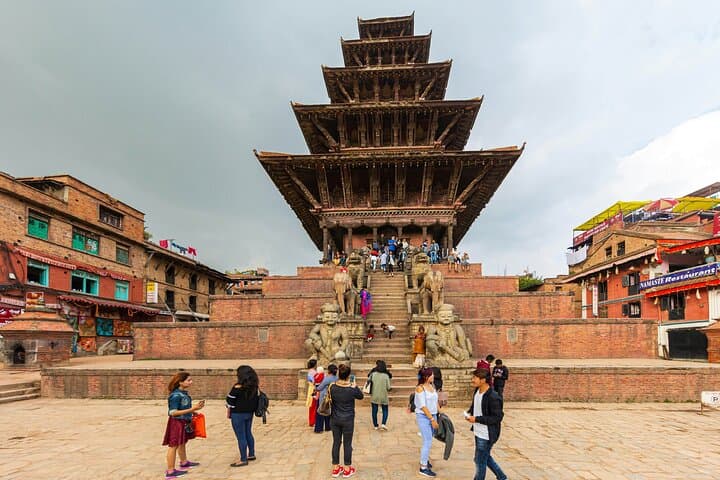
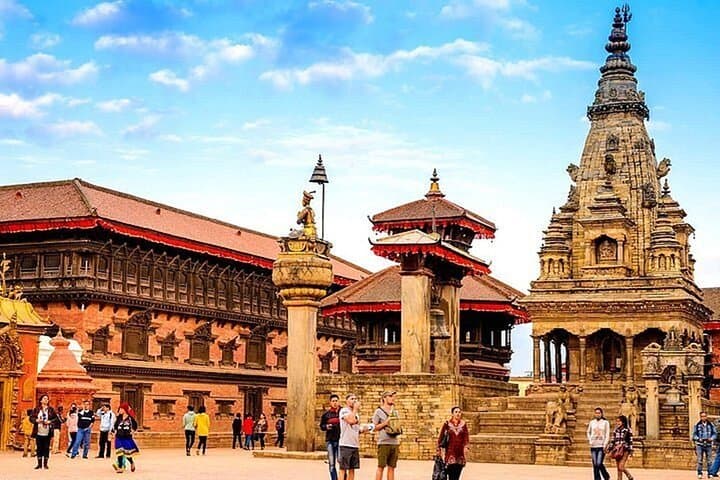
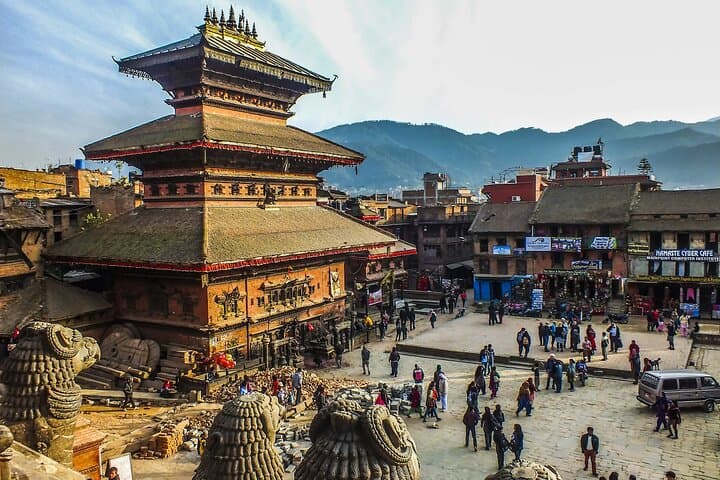
You step off the minivan into a plaza where ancient brick walls hold the city’s pace—Bhaktapur Durbar Square opens like a scene from a living chronicle. Nyatapola Temple rises five stories above the square, and the 55-Window Palace’s carved wood seems to watch visitors with weathered patience. A few alleys away, Pottery Square vibrates with the rhythm of wheels and wet hands shaping clay into bowls and urns.
You step off the minivan into a plaza where ancient brick walls hold the city’s pace—Bhaktapur Durbar Square opens like a scene from a living chronicle. Nyatapola Temple rises five stories above the square, and the 55-Window Palace’s carved wood seems to watch visitors with weathered patience. A few alleys away, Pottery Square vibrates with the rhythm of wheels and wet hands shaping clay into bowls and urns.
Bhaktapur was a commercial and artistic center of the Malla kings; the stone and woodwork here date to the medieval period and reflect Newar craftsmanship. The clay used by potters comes from local alluvial deposits and has been worked in these courtyards for generations, a practice that ties geology to craft. The tour threads cultural context with hands-on learning—an English-speaking guide explains temple iconography and then hands you a lump of clay to shape under a local artisan’s direction.
Expect cobbled surfaces and short, deliberate walks between sites; the experience is low-impact but sensory-rich—dust, kiln smoke, the soft thud of feet on brick. Practicalities: tours typically include private transport from Kathmandu, last about 5–6 hours, and accommodate most fitness levels. Bring small local currency for market purchases, wear grippy shoes for uneven courtyards, and allow extra time if you want a more detailed pottery session. Pottery pieces are glazed and left to dry or arranged for later pick up/shipping depending on the provider. Overall, this trip pairs cultural history with a tactile craft that leaves you with a tangible memory.