THE ADVENTURE COLLECTIVE® · Independent discovery and booking for outdoor travel

Spend a day exploring two of Kathmandu Valley’s best-preserved towns—Bhaktapur’s carved courtyards and Panauti’s riverside temples—on a private guided tour with door-to-door transport. Expect hands-on craft scenes, multi‑storey pagodas, and manageable walking on historic stone streets.
Spend a day exploring two of Kathmandu Valley’s best-preserved towns—Bhaktapur’s carved courtyards and Panauti’s riverside temples—on a private guided tour with door-to-door transport. Expect hands-on craft scenes, multi‑storey pagodas, and manageable walking on historic stone streets.
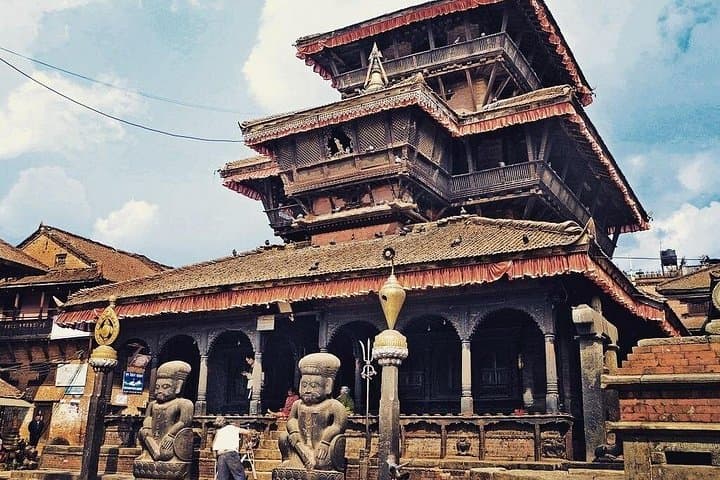
You step from an air-conditioned vehicle into a square where stone pigeons scatter and the scent of frying chatpate threads through narrow alleys. Bhaktapur’s open courtyards and multi-tiered pagodas rise like folded pages of history; craftsmen rotate clay on potters’ wheels in sunlit pockets, and the five-storey silhouette of Nyatapola Temple commands the view.
Verified experiences and guided adventures in the surrounding area.
Operated by Travhill.com Pvt. Ltd. · Bhaktapur, Bagmati Province
You step from an air-conditioned vehicle into a square where stone pigeons scatter and the scent of frying chatpate threads through narrow alleys. Bhaktapur’s open courtyards and multi-tiered pagodas rise like folded pages of history; craftsmen rotate clay on potters’ wheels in sunlit pockets, and the five-storey silhouette of Nyatapola Temple commands the view.
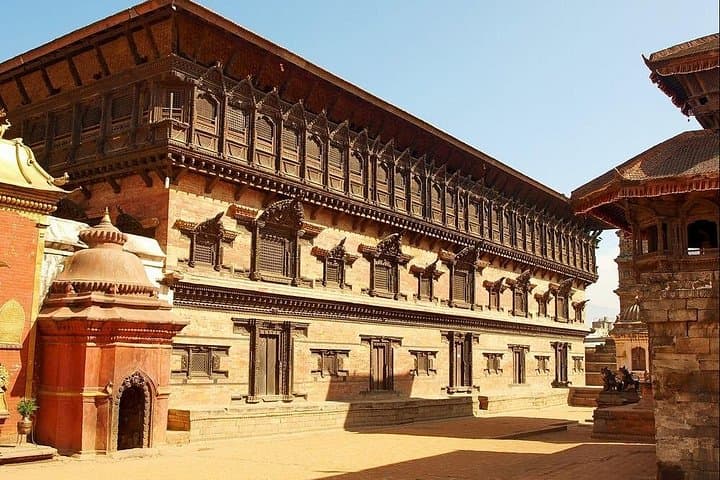
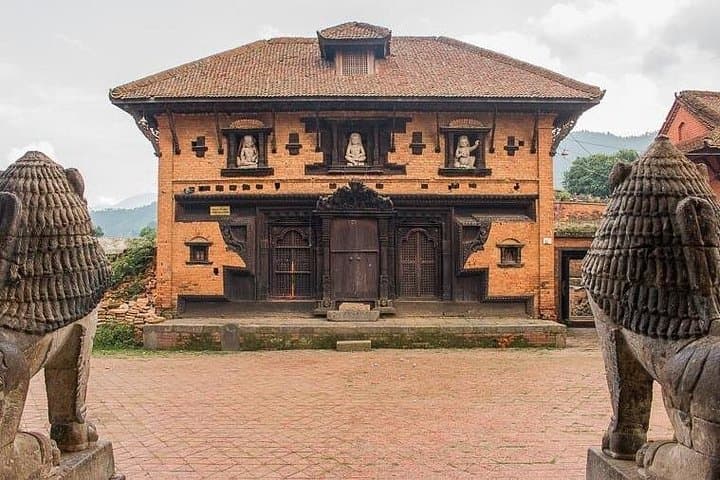
The valley here was shaped by ancient river systems and centuries of Newar settlement under the Malla kings. Bhaktapur’s 17th–18th century brickwork, carved wooden windows, and ceremonial courtyards are living evidence of that era; Panauti, 32 km southeast, sits between two rivers and preserves pre-modern town planning, temples, and a small museum documenting local rituals. Together they show different facets of Kathmandu Valley life—religion, crafts, and community governance.
On a private full-day itinerary you’ll move deliberately: guided walks through Bhaktapur Durbar Square, a closer look at the 55-Window Palace, Potters’ Square, and Nyatapola; then a drive to Panauti for its riverside shrine complexes and the Panauti Museum. Expect mostly flat walking on stone streets, short alley climbs, and indoor temple visits—no technical skills required.
Practical tips: bring cash for small temple donations and handicrafts, wear sturdy walking shoes for uneven cobbles, and plan travel time around mid-day traffic from Kathmandu. A reusable water bottle, sun protection, and light layers keep you comfortable through changing light and sudden showers. This is a cultural day that moves at a measured pace—ideal for travelers who want depth over speed.
easy.
6–7 hours.
Light fitness for several hours of walking and short stair climbs; suitable for most travelers.
This tour typically includes admission to major sites listed on the itinerary, but confirm with the operator for any optional museums or restricted temples.
Round-trip pickup from Kathmandu hotels is provided in an air-conditioned vehicle, with timing arranged at booking.
Yes—walking is moderate and at a comfortable pace; notify the operator of mobility concerns to adjust the itinerary.
Yes—guides usually allow free time at local craft shops; bargaining is common but be respectful and support local artisans.
Bhaktapur and Panauti are centers of Newar culture; Bhaktapur flourished under Malla kings in the 17th–18th centuries, while Panauti’s river junction has hosted shrines since medieval times.
Restoration after the 2015 earthquake is ongoing; travelers are encouraged to support local conservation by following site guidelines and purchasing from certified artisans.
Travhill.com Pvt. Ltd. operates guided outdoor trips and adventures with an emphasis on safety, stewardship, and memorable experiences.
You step from an air-conditioned vehicle into a square where stone pigeons scatter and the scent of frying chatpate threads through narrow alleys. Bhaktapur’s open courtyards and multi-tiered pagodas rise like folded pages of history; craftsmen rotate clay on potters’ wheels in sunlit pockets, and the five-storey silhouette of Nyatapola Temple commands the view.
You step from an air-conditioned vehicle into a square where stone pigeons scatter and the scent of frying chatpate threads through narrow alleys. Bhaktapur’s open courtyards and multi-tiered pagodas rise like folded pages of history; craftsmen rotate clay on potters’ wheels in sunlit pockets, and the five-storey silhouette of Nyatapola Temple commands the view.
The valley here was shaped by ancient river systems and centuries of Newar settlement under the Malla kings. Bhaktapur’s 17th–18th century brickwork, carved wooden windows, and ceremonial courtyards are living evidence of that era; Panauti, 32 km southeast, sits between two rivers and preserves pre-modern town planning, temples, and a small museum documenting local rituals. Together they show different facets of Kathmandu Valley life—religion, crafts, and community governance.
On a private full-day itinerary you’ll move deliberately: guided walks through Bhaktapur Durbar Square, a closer look at the 55-Window Palace, Potters’ Square, and Nyatapola; then a drive to Panauti for its riverside shrine complexes and the Panauti Museum. Expect mostly flat walking on stone streets, short alley climbs, and indoor temple visits—no technical skills required.
Practical tips: bring cash for small temple donations and handicrafts, wear sturdy walking shoes for uneven cobbles, and plan travel time around mid-day traffic from Kathmandu. A reusable water bottle, sun protection, and light layers keep you comfortable through changing light and sudden showers. This is a cultural day that moves at a measured pace—ideal for travelers who want depth over speed.