THE ADVENTURE COLLECTIVE® · Independent discovery and booking for outdoor travel

Walk Boston’s layered history on a private half‑day tour that moves beyond the major markers to the lesser‑told stories of the city. Expect 2–3 miles of paved streets, curated context, and local food tips.
Walk Boston’s layered history on a private half‑day tour that moves beyond the major markers to the lesser‑told stories of the city. Expect 2–3 miles of paved streets, curated context, and local food tips.
You meet your guide beside the John Singleton Copley statue as trampling footsteps and distant ferry horns stitch the morning together. The city unfurls in brick and granite—Trinity Church’s heavy stones, the green of Boston Common, the narrow lanes of Beacon Hill—and the guide threads stories into the architecture as you move.
Verified experiences and guided adventures in the surrounding area.
Operated by Travel Curious · Boston, Massachusetts
You meet your guide beside the John Singleton Copley statue as trampling footsteps and distant ferry horns stitch the morning together. The city unfurls in brick and granite—Trinity Church’s heavy stones, the green of Boston Common, the narrow lanes of Beacon Hill—and the guide threads stories into the architecture as you move.
Boston’s streets are a living timeline: colonial meetinghouses, 19th‑century merchant blocks, and a harbor shaped by glacial retreat that made this port a hub for trade and protest. The Freedom Trail itself is civic geology and social history—graves of revolutionaries, the memorial to the 54th Massachusetts, and marketplaces where waves of immigrants reshaped food and labor. Expect close reading of monuments and quieter turns where minority and women’s histories are foregrounded rather than footnotes.
Cultural details matter: sample recommendations for a lobster roll or locally pressed cider anchor the walk in contemporary city life, while the guide decodes layers of urban change—industrial, maritime, and reform movements—that made Boston what it is today.
Practical guidance: this private, three‑hour loop covers roughly 2–3 miles on mostly paved surfaces with short stair sections and some cobbles. Meet in Copley Square and finish near Boston Harbor Hotel, close to public transit. Bring water, comfortable shoes, and layered outerwear; tours run rain or shine but are wheelchair accessible with advance notice. Aim for early morning or late afternoon to avoid peak crowding around Quincy Market. Your guide times photo stops and can point you to lesser‑known spots if you want to linger and explore further.
moderate.
3 hours.
Moderate; comfortable standing and walking for up to three hours with short stair sections
Meet at the John Singleton Copley statue in Copley Square; the tour ends near the Boston Harbor Hotel with easy access to public transit and taxis.
Yes—this tour is wheelchair accessible, but guides request advance notice so the route and stops can be adjusted appropriately.
Most stops are outdoor and interpretive; paid admissions are generally not included, though the guide may include or recommend ticketed sites depending on the itinerary.
For a full refund cancel at least 24 hours before the scheduled departure time; cancellations within 24 hours are not refundable.
The Freedom Trail links sites from colonial, revolutionary and civil war eras; Boston’s role as a port and reform center shaped its built environment and civic institutions.
High foot traffic can stress historic sites—stay on marked paths, avoid leaning on fragile monuments, and support local businesses to keep neighborhoods thriving.
Travel Curious operates guided outdoor trips and adventures with an emphasis on safety, stewardship, and memorable experiences.
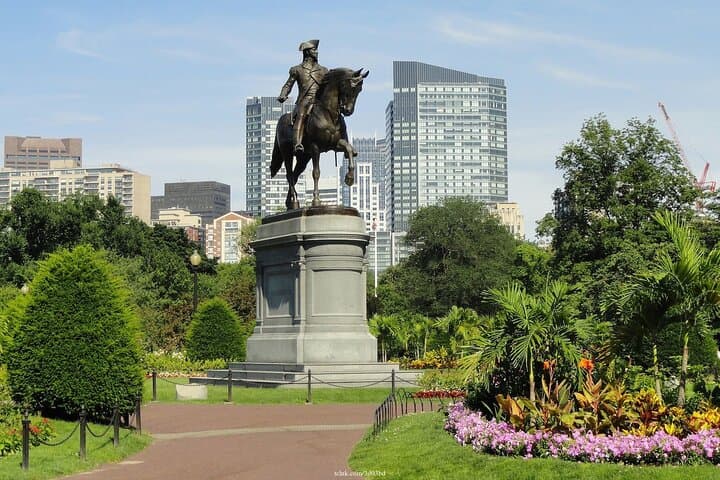
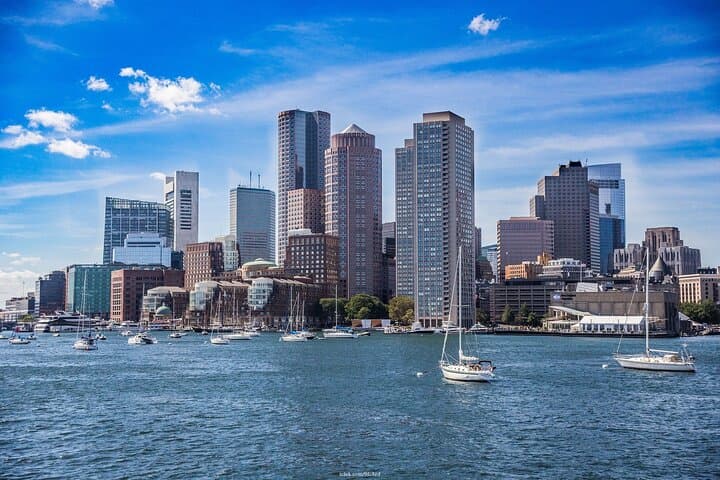
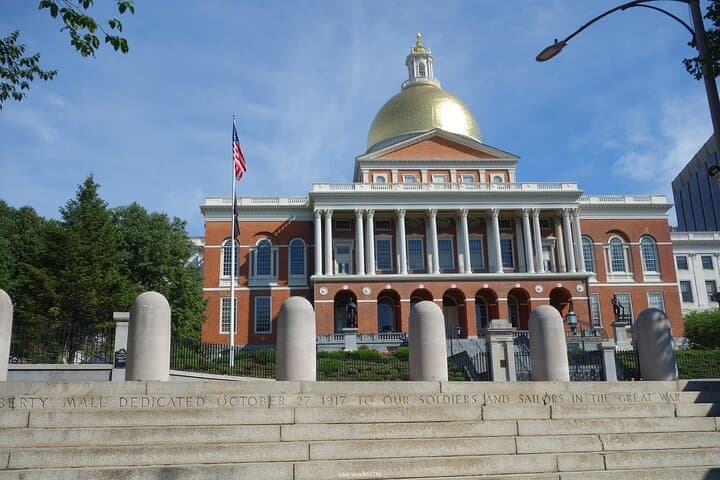
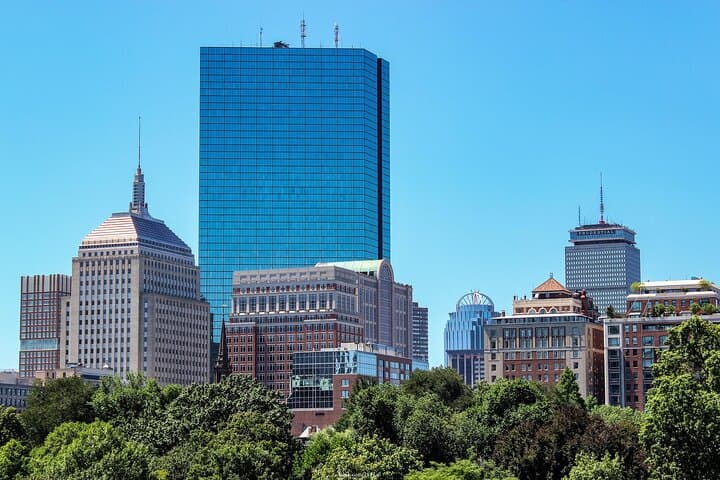
You meet your guide beside the John Singleton Copley statue as trampling footsteps and distant ferry horns stitch the morning together. The city unfurls in brick and granite—Trinity Church’s heavy stones, the green of Boston Common, the narrow lanes of Beacon Hill—and the guide threads stories into the architecture as you move.
You meet your guide beside the John Singleton Copley statue as trampling footsteps and distant ferry horns stitch the morning together. The city unfurls in brick and granite—Trinity Church’s heavy stones, the green of Boston Common, the narrow lanes of Beacon Hill—and the guide threads stories into the architecture as you move.
Boston’s streets are a living timeline: colonial meetinghouses, 19th‑century merchant blocks, and a harbor shaped by glacial retreat that made this port a hub for trade and protest. The Freedom Trail itself is civic geology and social history—graves of revolutionaries, the memorial to the 54th Massachusetts, and marketplaces where waves of immigrants reshaped food and labor. Expect close reading of monuments and quieter turns where minority and women’s histories are foregrounded rather than footnotes.
Cultural details matter: sample recommendations for a lobster roll or locally pressed cider anchor the walk in contemporary city life, while the guide decodes layers of urban change—industrial, maritime, and reform movements—that made Boston what it is today.
Practical guidance: this private, three‑hour loop covers roughly 2–3 miles on mostly paved surfaces with short stair sections and some cobbles. Meet in Copley Square and finish near Boston Harbor Hotel, close to public transit. Bring water, comfortable shoes, and layered outerwear; tours run rain or shine but are wheelchair accessible with advance notice. Aim for early morning or late afternoon to avoid peak crowding around Quincy Market. Your guide times photo stops and can point you to lesser‑known spots if you want to linger and explore further.