THE ADVENTURE COLLECTIVE® · Independent discovery and booking for outdoor travel

Experience the Pantheon with a local guide who brings its centuries-old engineering, hidden tombs and the shifting oculus light into sharp focus. This one-hour guided tour pairs skip-the-line access with focused storytelling for travelers who want context with their sightseeing.
Experience the Pantheon with a local guide who brings its centuries-old engineering, hidden tombs and the shifting oculus light into sharp focus. This one-hour guided tour pairs skip-the-line access with focused storytelling for travelers who want context with their sightseeing.
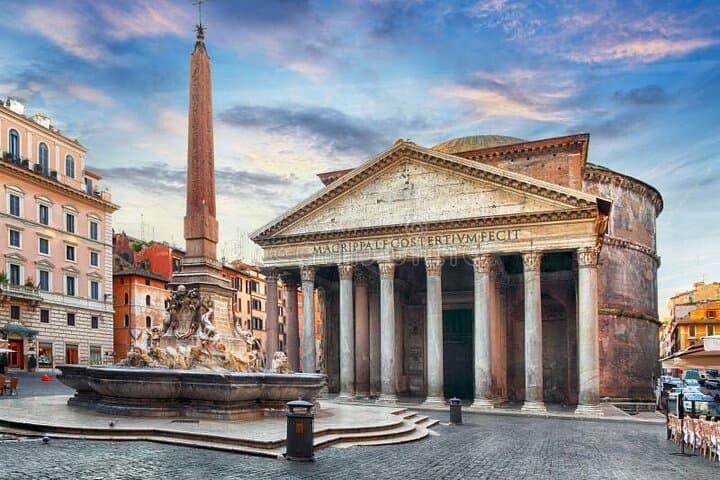
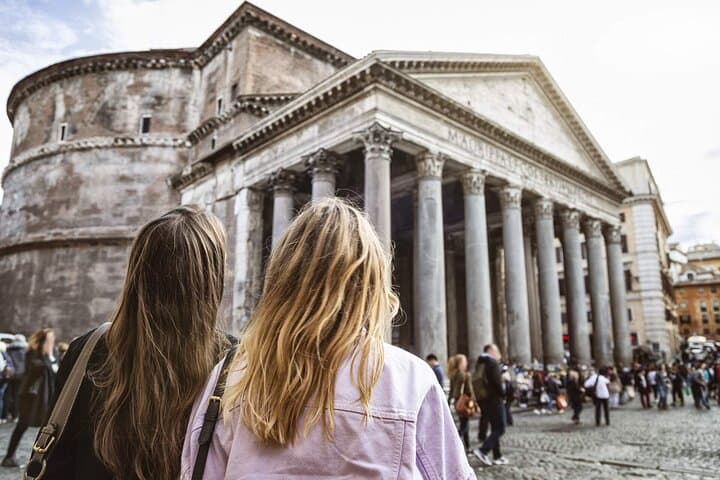
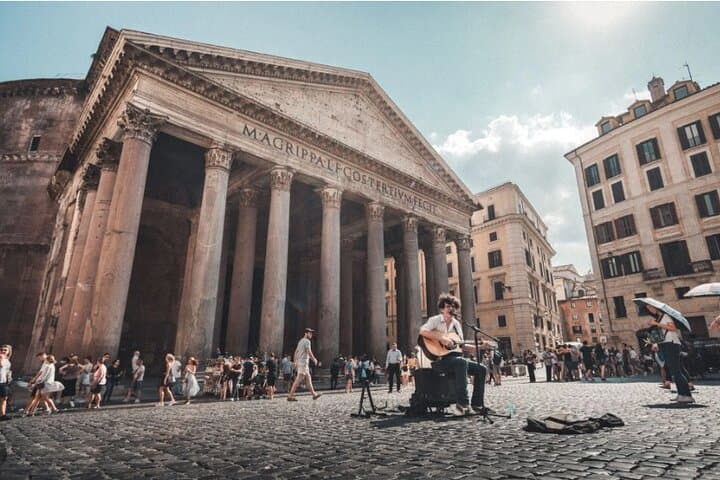
You step from a cobblestone piazza into a cool, circular hush: the Pantheon receives you like an old friend, the oculus above puncturing the ceiling with a single, deliberate eye of daylight that moves across marble and bronze.
Verified experiences and guided adventures in the surrounding area.
Operated by CENTURION OF ROME - TOUR EXPERIENCE · Rome, Lazio
You step from a cobblestone piazza into a cool, circular hush: the Pantheon receives you like an old friend, the oculus above puncturing the ceiling with a single, deliberate eye of daylight that moves across marble and bronze.
Originally commissioned by Marcus Agrippa and rebuilt under Emperor Hadrian around 126 AD, the Pantheon’s dome remains a benchmark of Roman engineering—concrete poured with volcanic aggregates, weighted and thinned into the world’s largest unreinforced masonry dome. Its conversion to a Christian church in the 7th century preserved interior frescoes, altars, and funerary monuments that speak to Rome’s layered history.
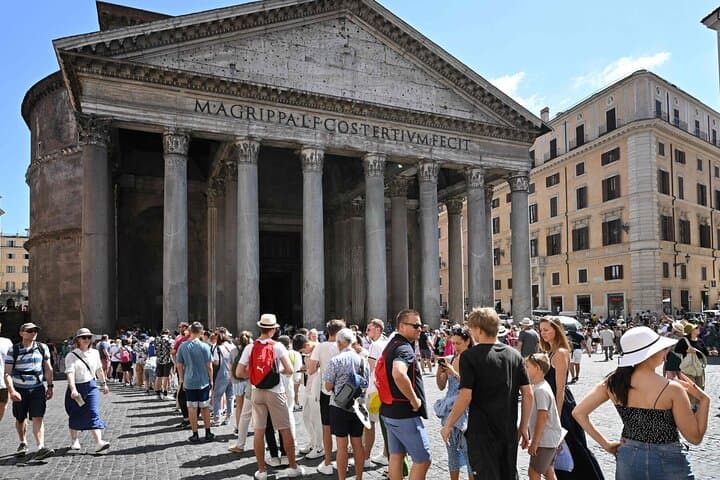
A guided visit here foregrounds detail: the Agrippa inscription on the portico, Raphael’s tomb quietly set into stone, and the worn threshold where emperors and parishioners alike have passed. The light through the oculus “chooses” a different face of the interior each hour; on bright days the beam traces an arc across the floor and tombs, animating the marble and gilt.
Practical guidance: tours run about 60 minutes, often with skip-the-line access but small groups (up to 15). Dress modestly—this is an active church—and expect uneven surfaces and cobbles. Public transit stops nearby; plan for a short walk. Best time to visit is early morning to avoid crowds and catch the oculus light cleanly. Keep conversations low during services and be mindful of photography rules around altars. With a knowledgeable guide, a one-hour visit turns a simple stop into an efficient, memorable exploration of Rome’s architectural bravado and civic memory.
easy.
1 hour.
Suitable for most fitness levels—requires short walks and standing during the tour.
The main floor of the Pantheon is largely level, but access can be limited by cobbles at the entrance—contact the operator ahead to confirm assistance options.
This small-group tour advertises fast-track entry; skip-the-line means reduced wait but not exclusive access to the interior.
Photography for personal use is generally allowed, but avoid flash near artworks and refrain from tripod use during services or crowded times.
Tours run approximately 60 minutes and cover the dome engineering, the oculus, major tombs (including Raphael), and decorative details and inscriptions.
The Pantheon was first built by Agrippa in 27–25 BC and rebuilt by Hadrian around 126 AD; its continuous use since Late Antiquity as a church preserved much of its structure.
As an active religious site and major monument, visitors are asked to respect clothing rules and quiet; heavy foot traffic has prompted monitoring and preservation measures to protect stone and mosaics.
CENTURION OF ROME - TOUR EXPERIENCE operates guided outdoor trips and adventures with an emphasis on safety, stewardship, and memorable experiences.
You step from a cobblestone piazza into a cool, circular hush: the Pantheon receives you like an old friend, the oculus above puncturing the ceiling with a single, deliberate eye of daylight that moves across marble and bronze.
You step from a cobblestone piazza into a cool, circular hush: the Pantheon receives you like an old friend, the oculus above puncturing the ceiling with a single, deliberate eye of daylight that moves across marble and bronze.
Originally commissioned by Marcus Agrippa and rebuilt under Emperor Hadrian around 126 AD, the Pantheon’s dome remains a benchmark of Roman engineering—concrete poured with volcanic aggregates, weighted and thinned into the world’s largest unreinforced masonry dome. Its conversion to a Christian church in the 7th century preserved interior frescoes, altars, and funerary monuments that speak to Rome’s layered history.
A guided visit here foregrounds detail: the Agrippa inscription on the portico, Raphael’s tomb quietly set into stone, and the worn threshold where emperors and parishioners alike have passed. The light through the oculus “chooses” a different face of the interior each hour; on bright days the beam traces an arc across the floor and tombs, animating the marble and gilt.
Practical guidance: tours run about 60 minutes, often with skip-the-line access but small groups (up to 15). Dress modestly—this is an active church—and expect uneven surfaces and cobbles. Public transit stops nearby; plan for a short walk. Best time to visit is early morning to avoid crowds and catch the oculus light cleanly. Keep conversations low during services and be mindful of photography rules around altars. With a knowledgeable guide, a one-hour visit turns a simple stop into an efficient, memorable exploration of Rome’s architectural bravado and civic memory.