THE ADVENTURE COLLECTIVE® · Independent discovery and booking for outdoor travel

Explore Washington DC’s Lavender Scare and the rise of LGBTQ activism on this 2.5-hour walking tour. See government buildings, protest sites, and the neighborhoods where community and resistance took shape.
Explore Washington DC’s Lavender Scare and the rise of LGBTQ activism on this 2.5-hour walking tour. See government buildings, protest sites, and the neighborhoods where community and resistance took shape.
A cool morning on a city street puts the past and present in sharp relief: marble facades and security gates stand where civil servants once lived with secret fear, and the Potomac, indifferent and steady, keeps pushing the city forward.
Verified experiences and guided adventures in the surrounding area.
Operated by Beyond The Landmarks · Washington, DC
A cool morning on a city street puts the past and present in sharp relief: marble facades and security gates stand where civil servants once lived with secret fear, and the Potomac, indifferent and steady, keeps pushing the city forward.
Beyond the Closet is a 2.5-hour walking tour that traces Washington’s Lavender Scare and the grassroots responses that built today’s LGBTQ community. The route threads past federal buildings, protest sites, and commercial corridors where bookstores and meeting places became refuges. Guides place events in context — Cold War-era security paranoia, congressional loyalty programs, and the later organizing that turned persecution into activism.
Geology and city form matter: wide avenues and planned sightlines made federal offices easy to surveil, while neighborhood row houses and alleyways gave rise to private gatherings and community networks. Travelers learn how policy and place intersected — how government hiring rules, urban zoning, and civic culture shaped lives.
Practical guidance: the tour is primarily on paved sidewalks with periodic curb crossings. Footwear should be comfortable; bring water and weather gear for DC’s sudden showers. Public transit is the easiest access point; most stops are near Metro lines and bus routes. Groups are small and accessible to wheelchairs, but confirm mobility needs when booking.
Expect a measured, evidence-based narrative: names, dates, and sites are part of the walk, balanced with human stories of resistance. For travelers interested in civil-rights history, queer culture, and the mechanics of change, this tour delivers a clear, walkable introduction to an important and often overlooked chapter of the nation’s capital.
easy.
2–2.5 hours.
Suitable for most fitness levels; participants should be able to walk short city distances and stand for brief commentary.
The tour lasts about 150 minutes and typically covers 1.5–2 miles of urban walking with several short stops for commentary.
Yes — the itinerary and surfaces are wheelchair accessible, but notify the operator at booking about specific mobility needs.
Meeting points are usually near central Metro stations in downtown DC; public transit is recommended since parking is limited and expensive.
The tour deals with political persecution and civil-rights history; it is appropriate for teens and adults, but parents should judge suitability for younger children.
The tour centers on the Lavender Scare: mid-20th-century federal investigations and firings that targeted LGBTQ government employees and prompted community organizing in DC.
Participants are encouraged to use public transit, stay on sidewalks, and follow Leave No Trace principles for urban sites to minimize impact.
Beyond The Landmarks operates guided outdoor trips and adventures with an emphasis on safety, stewardship, and memorable experiences.
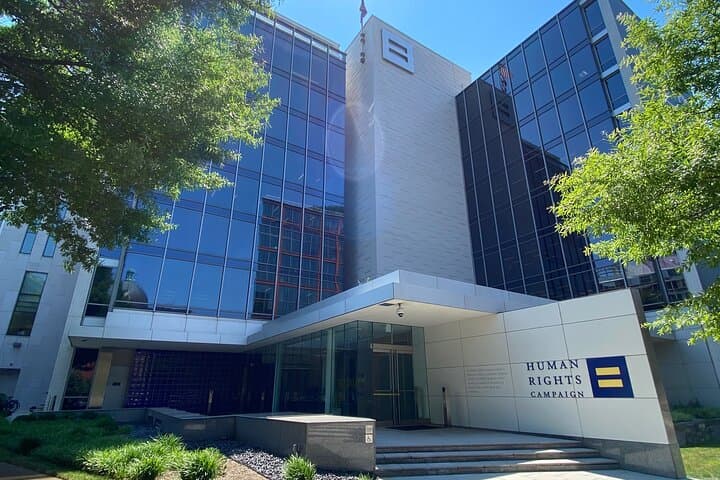
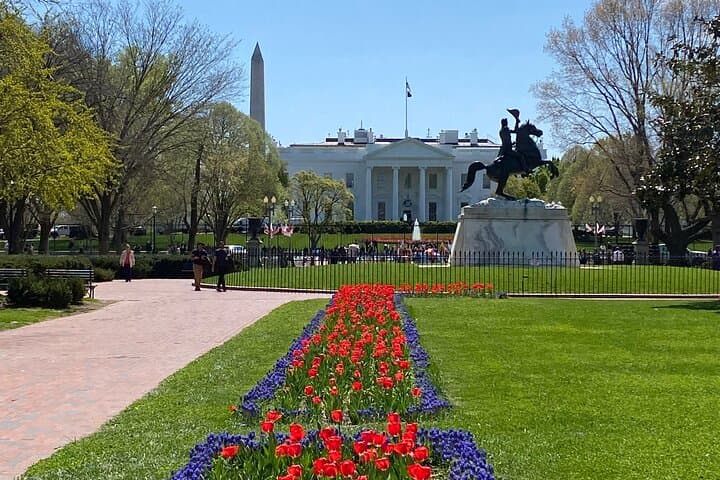
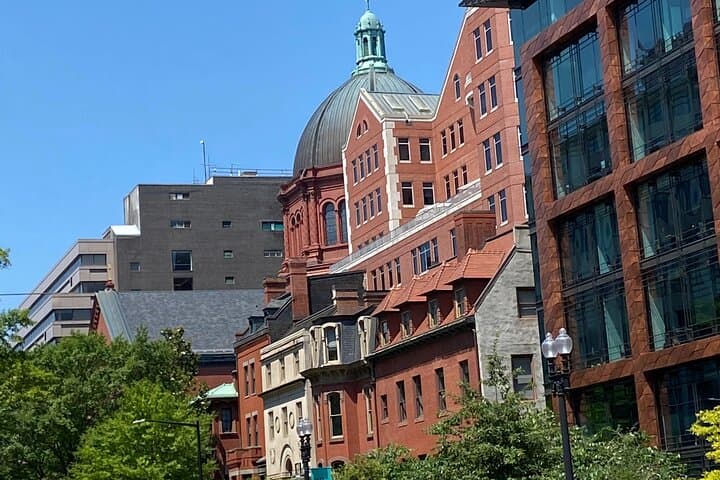
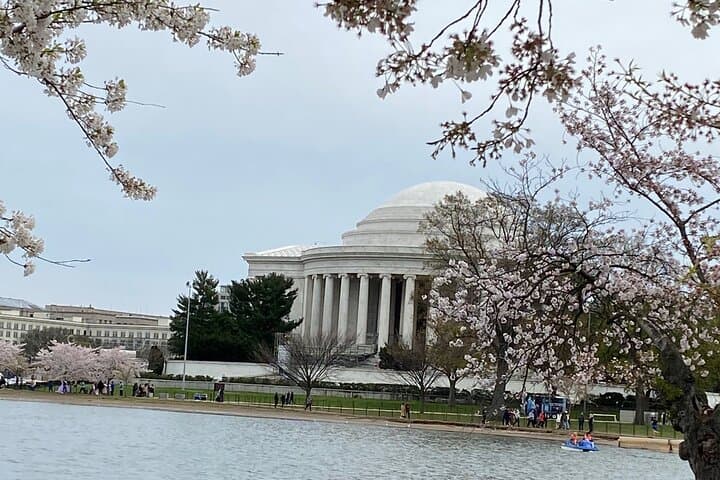
A cool morning on a city street puts the past and present in sharp relief: marble facades and security gates stand where civil servants once lived with secret fear, and the Potomac, indifferent and steady, keeps pushing the city forward.
A cool morning on a city street puts the past and present in sharp relief: marble facades and security gates stand where civil servants once lived with secret fear, and the Potomac, indifferent and steady, keeps pushing the city forward.
Beyond the Closet is a 2.5-hour walking tour that traces Washington’s Lavender Scare and the grassroots responses that built today’s LGBTQ community. The route threads past federal buildings, protest sites, and commercial corridors where bookstores and meeting places became refuges. Guides place events in context — Cold War-era security paranoia, congressional loyalty programs, and the later organizing that turned persecution into activism.
Geology and city form matter: wide avenues and planned sightlines made federal offices easy to surveil, while neighborhood row houses and alleyways gave rise to private gatherings and community networks. Travelers learn how policy and place intersected — how government hiring rules, urban zoning, and civic culture shaped lives.
Practical guidance: the tour is primarily on paved sidewalks with periodic curb crossings. Footwear should be comfortable; bring water and weather gear for DC’s sudden showers. Public transit is the easiest access point; most stops are near Metro lines and bus routes. Groups are small and accessible to wheelchairs, but confirm mobility needs when booking.
Expect a measured, evidence-based narrative: names, dates, and sites are part of the walk, balanced with human stories of resistance. For travelers interested in civil-rights history, queer culture, and the mechanics of change, this tour delivers a clear, walkable introduction to an important and often overlooked chapter of the nation’s capital.