THE ADVENTURE COLLECTIVE® · Independent discovery and booking for outdoor travel

Stand at the edge of a ravine as night falls and watch hundreds of bats surge from tunnel mouths in a living vortex. This two-hour guided walk combines forested descent, a timed bat emergence, and an interpretive tunnel walk focused on biology and conservation.
Stand at the edge of a ravine as night falls and watch hundreds of bats surge from tunnel mouths in a living vortex. This two-hour guided walk combines forested descent, a timed bat emergence, and an interpretive tunnel walk focused on biology and conservation.
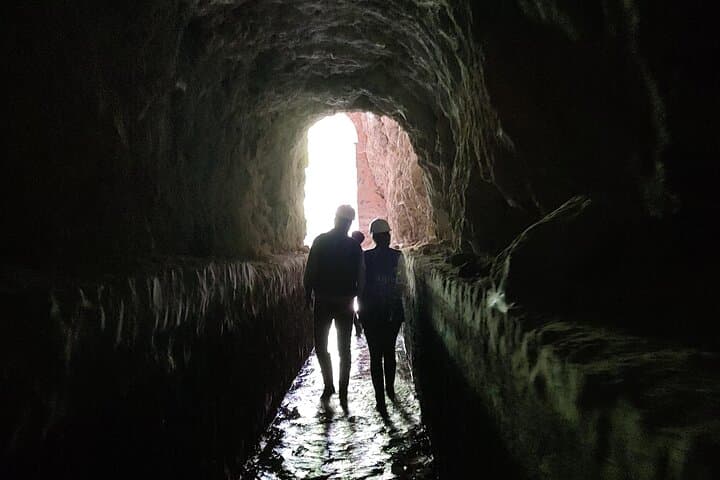
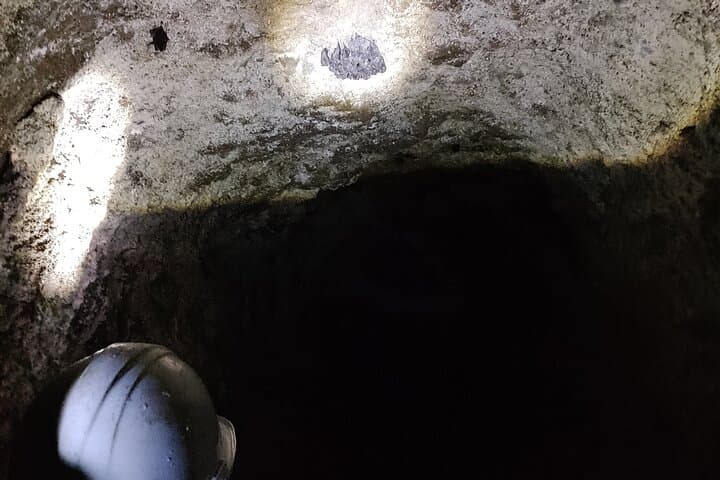
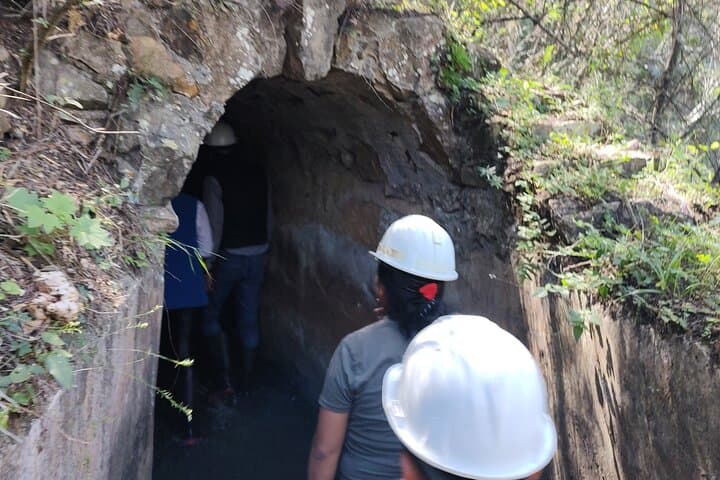
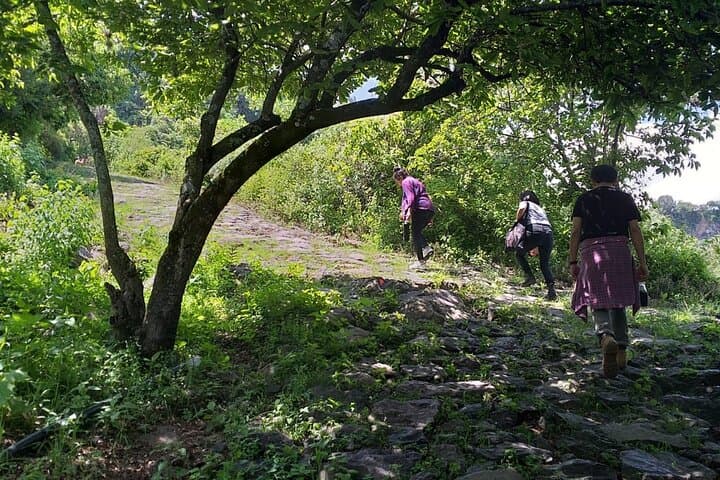
Dusk arrives as a cool breath over the ravine outside Huasca de Ocampo; the hillside darkens and the forest prepares to exhale. Guides check helmets and lamps while the group descends a shaded trail toward a narrow canyon mouth. Expect the hush of pine and oak, the scrape of boots on mixed dirt and stone, then the stunned motion of hundreds of bats unfurling into the twilight like a living storm.
Verified experiences and guided adventures in the surrounding area.
Operated by Akatl Travesias · Huasca de Ocampo, Hidalgo
Dusk arrives as a cool breath over the ravine outside Huasca de Ocampo; the hillside darkens and the forest prepares to exhale. Guides check helmets and lamps while the group descends a shaded trail toward a narrow canyon mouth. Expect the hush of pine and oak, the scrape of boots on mixed dirt and stone, then the stunned motion of hundreds of bats unfurling into the twilight like a living storm.
The ravines around Huasca reflect volcanic and fluvial forces that carved fissures and created refuges for cave-roosting wildlife. Local history blends colonial-era rural life with long-standing traditions of small-scale mining and pastoralism; guides often pause to explain how human use of the land changed local cave access and bat behavior.
This outing centers on observation: an initial walk through forested slopes, a waiting period at the tunnel mouth for the emergence, then a short guided walk through safe sections of the tunnels while learning bat biology and conservation. The experience emphasizes quiet, low light, and respectful distance—flash photography and loud noise are discouraged to avoid disturbing the colony.
Practical edge: the route includes a steep descent and return ascent, uneven ground, and narrow passages—bring sturdy boots, a warm layer for evening chill, and a headlamp for pre- and post-observation walking. Tours typically last about two hours and include boots and flashlights; bottled water and light hot drinks are provided. Arrive with an open attitude and leave with a clearer sense of how these nocturnal mammals shape local ecosystems.
moderate.
2 hours.
Moderate fitness recommended—able to manage a steep descent/ascent and short stretches of uneven walking.
The guided descent and visit are brief—the full activity runs about two hours, with a short forest walk to the tunnel mouth and a limited, guided tunnel section.
Yes—this tour supplies helmets, boots and flashlights, though participants may bring their own headlamps for convenience.
Bats are seasonal and weather-dependent; emergence commonly occurs at dusk most nights, but intensity and timing vary with season and conditions.
Children can participate if supervised, but the route involves steep steps and narrow passages and is not recommended for those with significant mobility constraints or spinal issues.
The ravines around Huasca were shaped by volcanic activity and later used for small-scale mining and ranching; local guides often blend geological and cultural stories when describing the landscape.
Tours promote non-intrusive observation and explain the role of bats in pest control and pollination; visitors are asked to avoid flash and loud noise to minimize disturbance.
Akatl Travesias operates guided outdoor trips and adventures with an emphasis on safety, stewardship, and memorable experiences.
Dusk arrives as a cool breath over the ravine outside Huasca de Ocampo; the hillside darkens and the forest prepares to exhale. Guides check helmets and lamps while the group descends a shaded trail toward a narrow canyon mouth. Expect the hush of pine and oak, the scrape of boots on mixed dirt and stone, then the stunned motion of hundreds of bats unfurling into the twilight like a living storm.
Dusk arrives as a cool breath over the ravine outside Huasca de Ocampo; the hillside darkens and the forest prepares to exhale. Guides check helmets and lamps while the group descends a shaded trail toward a narrow canyon mouth. Expect the hush of pine and oak, the scrape of boots on mixed dirt and stone, then the stunned motion of hundreds of bats unfurling into the twilight like a living storm.
The ravines around Huasca reflect volcanic and fluvial forces that carved fissures and created refuges for cave-roosting wildlife. Local history blends colonial-era rural life with long-standing traditions of small-scale mining and pastoralism; guides often pause to explain how human use of the land changed local cave access and bat behavior.
This outing centers on observation: an initial walk through forested slopes, a waiting period at the tunnel mouth for the emergence, then a short guided walk through safe sections of the tunnels while learning bat biology and conservation. The experience emphasizes quiet, low light, and respectful distance—flash photography and loud noise are discouraged to avoid disturbing the colony.
Practical edge: the route includes a steep descent and return ascent, uneven ground, and narrow passages—bring sturdy boots, a warm layer for evening chill, and a headlamp for pre- and post-observation walking. Tours typically last about two hours and include boots and flashlights; bottled water and light hot drinks are provided. Arrive with an open attitude and leave with a clearer sense of how these nocturnal mammals shape local ecosystems.