THE ADVENTURE COLLECTIVE® · Independent discovery and booking for outdoor travel

A full-day loop from Puerto Varas that threads German-influenced towns, hacienda country, the glass-blue Rupanco and Puyehue National Park’s hot springs. Scenic drives, short walks, and cultural stops make this an accessible nature-and-history day trip.
A full-day loop from Puerto Varas that threads German-influenced towns, hacienda country, the glass-blue Rupanco and Puyehue National Park’s hot springs. Scenic drives, short walks, and cultural stops make this an accessible nature-and-history day trip.
You step onto the Pan-American at dawn and the highway breathes cooler air from the lakes to your right. Fields open like pages, volcanoes cut the horizon, and small towns—painted wood and pitched roofs—hold the quiet of a century-old logging trade. The day moves as a map: Puerto Varas to Frutillar, a pause in Puerto Octay’s German-built square, then through haciendas to the glass-blue of Lake Rupanco before the green throat of Puyehue National Park and its steaming hot springs.
Verified experiences and guided adventures in the surrounding area.
Operated by Tangol · Puerto Varas, Los Lagos
You step onto the Pan-American at dawn and the highway breathes cooler air from the lakes to your right. Fields open like pages, volcanoes cut the horizon, and small towns—painted wood and pitched roofs—hold the quiet of a century-old logging trade. The day moves as a map: Puerto Varas to Frutillar, a pause in Puerto Octay’s German-built square, then through haciendas to the glass-blue of Lake Rupanco before the green throat of Puyehue National Park and its steaming hot springs.
This corridor of Los Lagos carries clear signs of human and geological history: German immigration shaped towns and timber rails once threaded the lakes to Osorno; the landscape itself is young, heaved up by the Southern Volcanic Zone where Puyehue and the nearby Osorno still define the skyline. Forests here favor coigüe and mañío, and rivers push hard through volcanic rock carved in the last ice age.
Expect gentle cultural immersion—churches, small museums and ranchland vistas—interspersed with nature: shorelines that demand a photograph and trails edged in moss. Guides usually include a hot-springs stop; the steam has a way of slowing the day and washing out the road’s dust.
Practical side: this is a full-day, low-impact excursion suitable for most fitness levels. Wear grippy shoes for lakeside rocks, layers for rapidly changing mountain weather, and carry water and sunscreen. If you want photos, aim for morning light at Rupanco or late afternoon back towards Puerto Varas when volcano faces glow.
easy.
10 hours.
Suitable for most fitness levels; brief on-foot sections require steady balance but no technical exertion
The tour lasts about 10 hours with pickup in central Puerto Varas (and Puerto Montt on request), returning the same day.
The itinerary includes a stop at Puyehue-area hot springs; most guests can use them but check accessibility for mobility issues and bring a towel and swimwear.
Yes—walking is short and non-technical, but travelers should be able to climb into a coach and walk on uneven surfaces briefly.
The tour typically includes hotel pickup and a guide; bring snacks or plan to buy lunch in one of the towns as meal inclusions vary by operator.
The corridor reflects 19th–20th century German settlement and a logging/rail economy that used lake ports like Puerto Octay and Entre Lagos to move lumber and agricultural goods.
Puyehue National Park is protected; stick to marked paths, respect hot-spring zones and minimize waste—local communities depend on clean water and intact forests.
Tangol operates guided outdoor trips and adventures with an emphasis on safety, stewardship, and memorable experiences.
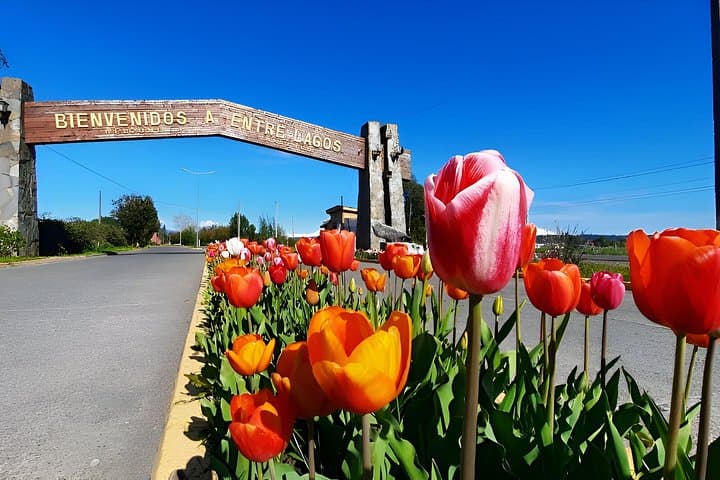
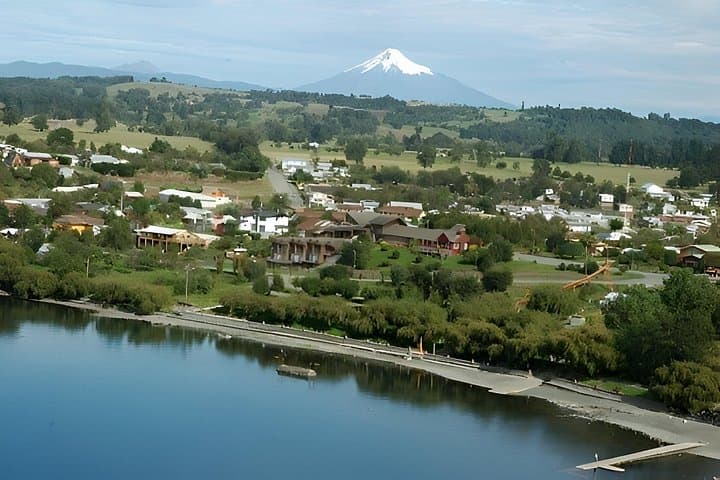
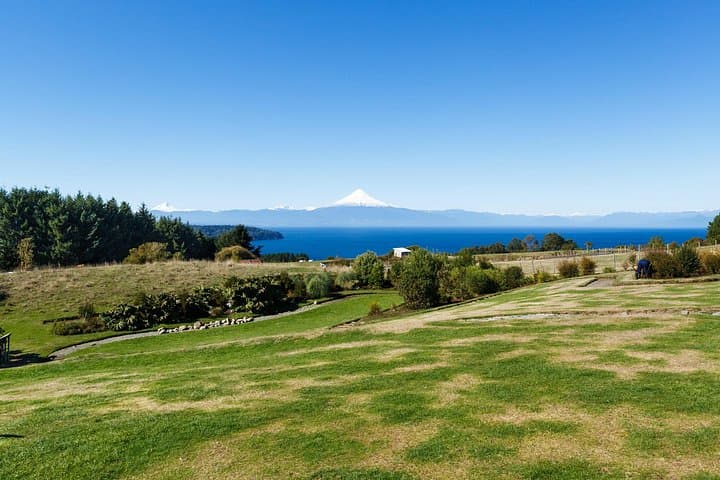
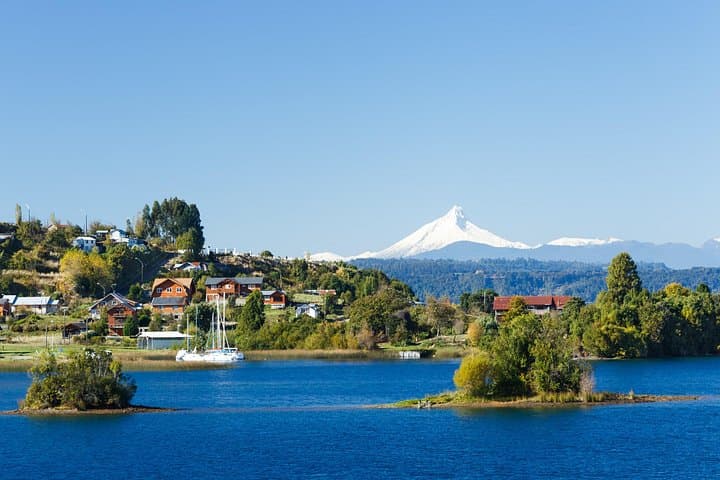
You step onto the Pan-American at dawn and the highway breathes cooler air from the lakes to your right. Fields open like pages, volcanoes cut the horizon, and small towns—painted wood and pitched roofs—hold the quiet of a century-old logging trade. The day moves as a map: Puerto Varas to Frutillar, a pause in Puerto Octay’s German-built square, then through haciendas to the glass-blue of Lake Rupanco before the green throat of Puyehue National Park and its steaming hot springs.
You step onto the Pan-American at dawn and the highway breathes cooler air from the lakes to your right. Fields open like pages, volcanoes cut the horizon, and small towns—painted wood and pitched roofs—hold the quiet of a century-old logging trade. The day moves as a map: Puerto Varas to Frutillar, a pause in Puerto Octay’s German-built square, then through haciendas to the glass-blue of Lake Rupanco before the green throat of Puyehue National Park and its steaming hot springs.
This corridor of Los Lagos carries clear signs of human and geological history: German immigration shaped towns and timber rails once threaded the lakes to Osorno; the landscape itself is young, heaved up by the Southern Volcanic Zone where Puyehue and the nearby Osorno still define the skyline. Forests here favor coigüe and mañío, and rivers push hard through volcanic rock carved in the last ice age.
Expect gentle cultural immersion—churches, small museums and ranchland vistas—interspersed with nature: shorelines that demand a photograph and trails edged in moss. Guides usually include a hot-springs stop; the steam has a way of slowing the day and washing out the road’s dust.
Practical side: this is a full-day, low-impact excursion suitable for most fitness levels. Wear grippy shoes for lakeside rocks, layers for rapidly changing mountain weather, and carry water and sunscreen. If you want photos, aim for morning light at Rupanco or late afternoon back towards Puerto Varas when volcano faces glow.