THE ADVENTURE COLLECTIVE® · Independent discovery and booking for outdoor travel

Trace key Christian sites across the West Bank on an accessible full-day circuit from Bethlehem to Jericho and the Jordan River baptismal banks. Expect ancient churches, crafts workshops, desert views and short guided walks—plus practical tips for crowds and paperwork.
Trace key Christian sites across the West Bank on an accessible full-day circuit from Bethlehem to Jericho and the Jordan River baptismal banks. Expect ancient churches, crafts workshops, desert views and short guided walks—plus practical tips for crowds and paperwork.
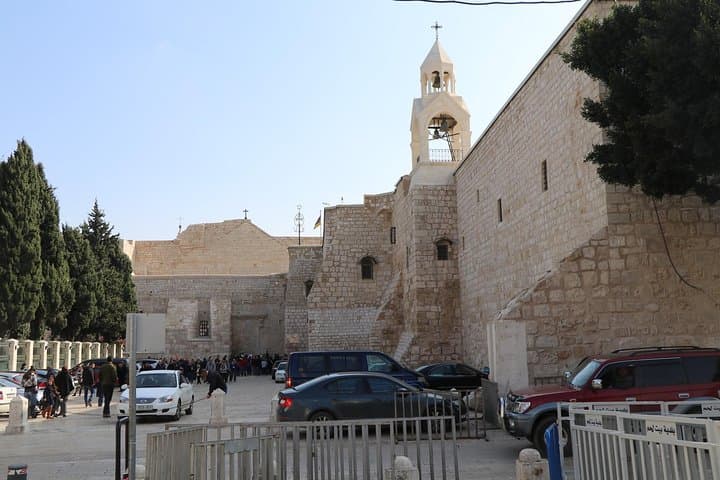
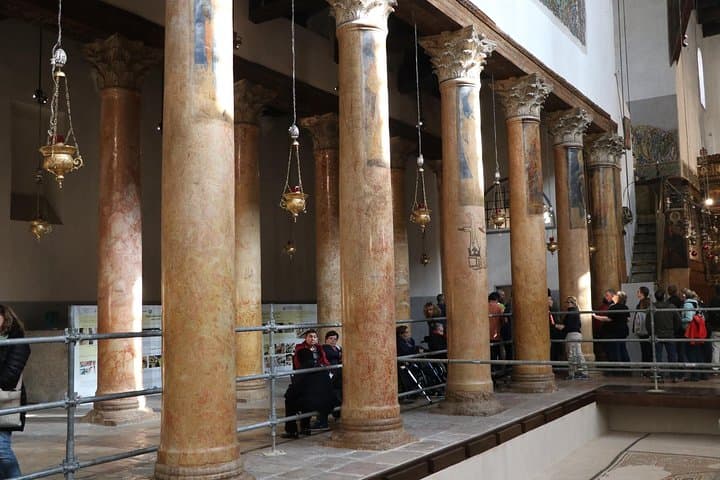
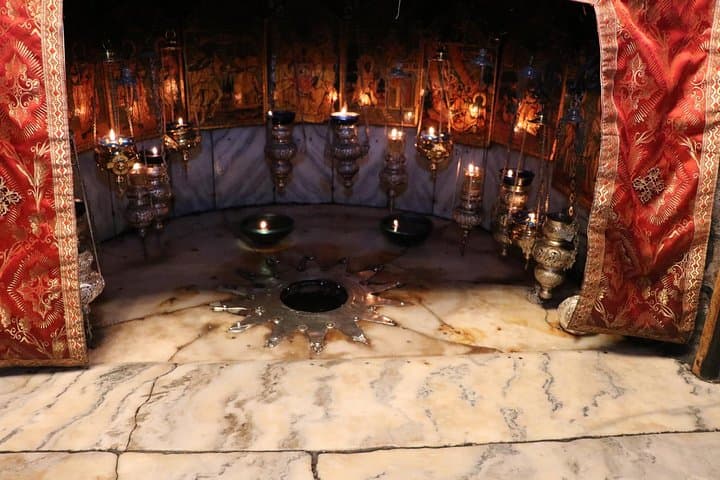
The morning air in Bethlehem tastes faintly of baked bread and church incense as your small convoy slips through stone alleys toward Manger Square. You step into the Church of the Nativity—a layered monument of Crusader arches and Byzantine mosaics—then feel the pulse of history beneath your feet at the birth grotto. From there the road drops toward Beit Sahour, where narrow lanes open onto family-run workshops turning olive wood and mother-of-pearl into souvenirs.
Verified experiences and guided adventures in the surrounding area.
Operated by Judah Tours · Bethlehem, West Bank
The morning air in Bethlehem tastes faintly of baked bread and church incense as your small convoy slips through stone alleys toward Manger Square. You step into the Church of the Nativity—a layered monument of Crusader arches and Byzantine mosaics—then feel the pulse of history beneath your feet at the birth grotto. From there the road drops toward Beit Sahour, where narrow lanes open onto family-run workshops turning olive wood and mother-of-pearl into souvenirs.
This full-day loop moves from Judean hill country into the Jordan Valley, geologically marked by limestone terraces that descend toward the Dead Sea rift. Jericho appears as a desert-green ribbon: date palms, the lone sycamore said to have sheltered Zacchaeus, and the terraces of Hisham’s Palace—a reminder of Byzantine-era mosaics and early Islamic architecture. Qasr al Yahud on the Jordan River closes the circle; pilgrims still pause at the baptism site where biblical narratives meet the slow, steady current.
Expect a mix of short walks, guided chapel visits, and roadside viewpoints rather than strenuous hiking. Practical points: carry a passport (sometimes required), modest clothing for church entry, sun protection, and contingency time for lines—the Nativity grotto can require 30–90 minutes on regular days. The itinerary is wheelchair- and stroller-accessible at many sites, but uneven stone and short stair sections remain. Bring cash for artisan stalls, keep hydrated in the low-lying heat of Jericho, and give yourself time to listen—to guides, to muezzin calls, and to the landscape that has shaped culture here for millennia.
easy.
8 hours.
Suitable for most fitness levels; involves short, mostly flat walks and some stair sections
Yes—this full-day tour typically includes an English-speaking guide and transport in an air-conditioned vehicle while in Bethlehem area.
Many sites and vehicles are wheelchair- and stroller-accessible, but expect some short stairs and uneven stone at historical sites.
Often yes—bring your passport and a photocopy; local requirements can vary by day and site.
Time spent can vary; on regular days expect between 30 and 90 minutes depending on queues and security checks.
Bethlehem’s Church of the Nativity sits on a 4th-century foundation attributed to Emperor Constantine; Jericho is one of the world’s oldest continuously inhabited settlements, situated below sea level in the Jordan Valley.
The Jordan Valley’s fragile desert ecosystems and limited water resources mean visitors should minimize waste, use refillable bottles, and support local artisans to help maintain cultural heritage.
Judah Tours operates guided outdoor trips and adventures with an emphasis on safety, stewardship, and memorable experiences.
The morning air in Bethlehem tastes faintly of baked bread and church incense as your small convoy slips through stone alleys toward Manger Square. You step into the Church of the Nativity—a layered monument of Crusader arches and Byzantine mosaics—then feel the pulse of history beneath your feet at the birth grotto. From there the road drops toward Beit Sahour, where narrow lanes open onto family-run workshops turning olive wood and mother-of-pearl into souvenirs.
The morning air in Bethlehem tastes faintly of baked bread and church incense as your small convoy slips through stone alleys toward Manger Square. You step into the Church of the Nativity—a layered monument of Crusader arches and Byzantine mosaics—then feel the pulse of history beneath your feet at the birth grotto. From there the road drops toward Beit Sahour, where narrow lanes open onto family-run workshops turning olive wood and mother-of-pearl into souvenirs.
This full-day loop moves from Judean hill country into the Jordan Valley, geologically marked by limestone terraces that descend toward the Dead Sea rift. Jericho appears as a desert-green ribbon: date palms, the lone sycamore said to have sheltered Zacchaeus, and the terraces of Hisham’s Palace—a reminder of Byzantine-era mosaics and early Islamic architecture. Qasr al Yahud on the Jordan River closes the circle; pilgrims still pause at the baptism site where biblical narratives meet the slow, steady current.
Expect a mix of short walks, guided chapel visits, and roadside viewpoints rather than strenuous hiking. Practical points: carry a passport (sometimes required), modest clothing for church entry, sun protection, and contingency time for lines—the Nativity grotto can require 30–90 minutes on regular days. The itinerary is wheelchair- and stroller-accessible at many sites, but uneven stone and short stair sections remain. Bring cash for artisan stalls, keep hydrated in the low-lying heat of Jericho, and give yourself time to listen—to guides, to muezzin calls, and to the landscape that has shaped culture here for millennia.