THE ADVENTURE COLLECTIVE® · Independent discovery and booking for outdoor travel

Walk the Star Street in Bethlehem, visit the Nativity Church and Qumran's scroll caves, then float in the Dead Sea on a full-day private tour. This itinerary blends living culture, archaeological insight, and a uniquely saline swim at the world's lowest shoreline.
Walk the Star Street in Bethlehem, visit the Nativity Church and Qumran's scroll caves, then float in the Dead Sea on a full-day private tour. This itinerary blends living culture, archaeological insight, and a uniquely saline swim at the world's lowest shoreline.
You step off the bus at the Bethlehem checkpoint with Jerusalem's stone heat still in your shoes, and the narrow lines of the Old City pull you in: cobbled Star Street, low doorways, the scent of fresh Arabic coffee drifting from a corner teahouse.
Verified experiences and guided adventures in the surrounding area.
Operated by Michael Tours · Bethlehem, West Bank
You step off the bus at the Bethlehem checkpoint with Jerusalem's stone heat still in your shoes, and the narrow lines of the Old City pull you in: cobbled Star Street, low doorways, the scent of fresh Arabic coffee drifting from a corner teahouse.
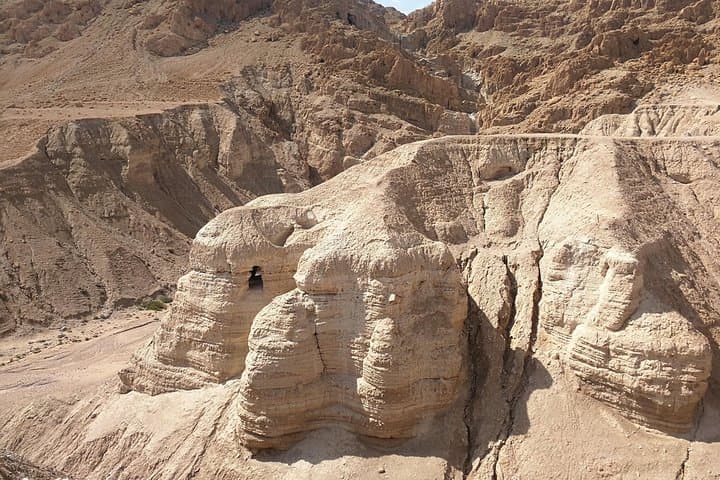
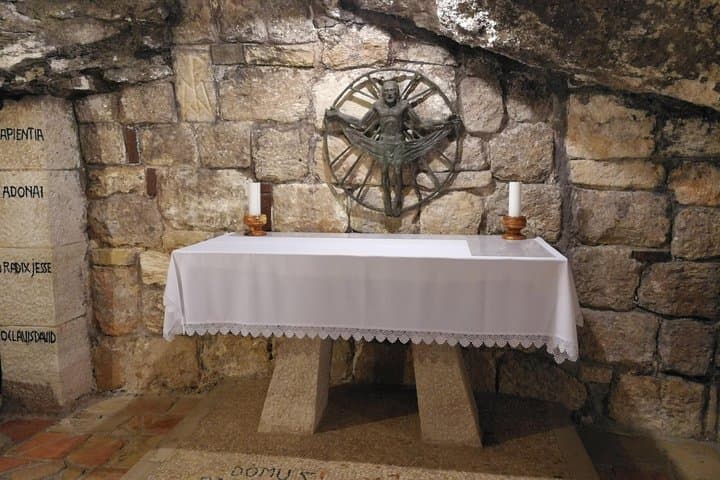
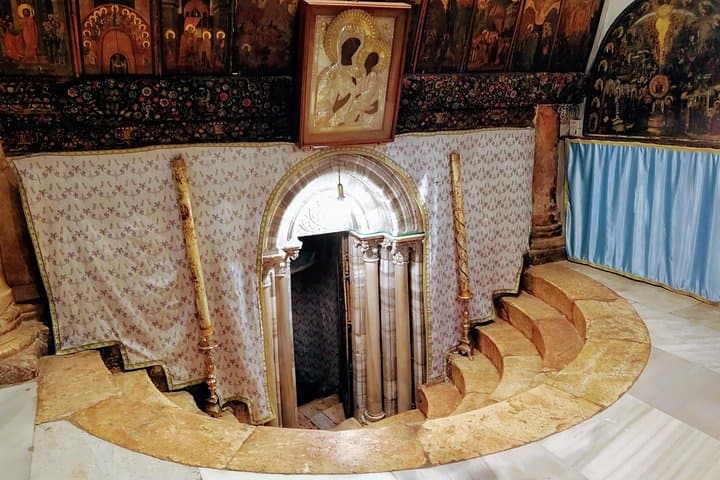
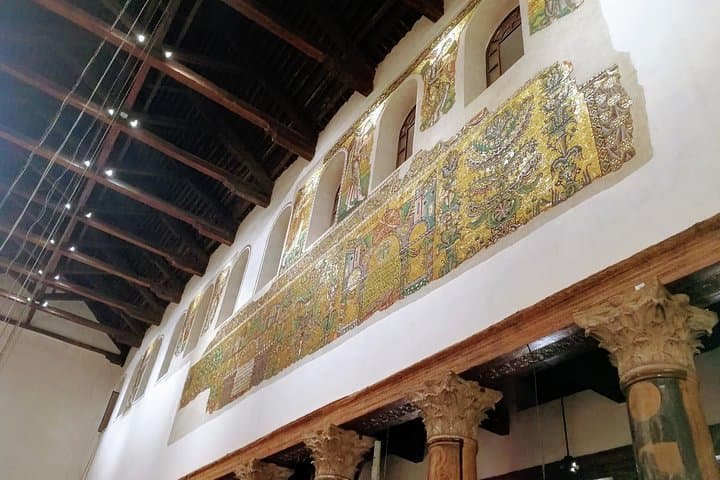
The day moves from lived-in streets to deep-time geology. Manger Square and the Nativity Church carry layers of Christian pilgrimage and Ottoman-era façades; further east the landscape opens to a pale, scrubby plain where the Essenes once clustered at Qumran. The caves there kept the Dead Sea Scrolls for nearly two millennia — fragile manuscripts tucked into arid limestone fissures — and the ruins on the ridge show simple communal architecture and pottery shards that anchor the past.
By afternoon the road descends toward the Dead Sea: the air sharpens, the light flattens, salts glitter on the shoreline. The sea is an active element here — buoyant, corrosive, immediate — and floating is less novelty than a sensory consequence of extreme salinity.
Practical guidance runs alongside the romance. Bring your passport and allow time at the checkpoint; dress modestly for church interiors and carry a light scarf. Wear sturdy, closed-toe shoes for cobbles and ruins, and a change of clothes for the Dead Sea — avoid shaving before floating, protect cuts, and rinse thoroughly after. Expect a 7–8 hour day with short drives between sites, guided commentary, and moderate walking on uneven surfaces. Hydrate, apply high-SPF sunscreen, and leave time to simply stand at the shoreline and feel the water push you up.
easy.
7–8 hours.
Light to moderate—expect walking on uneven cobbles and short climbs at ruin sites; suitable for most fitness levels.
Some sites are free to enter while others may charge local admission; confirm with the operator whether any site fees are included in your booking.
The tour typically returns guests to the Bethlehem/300 checkpoint; public buses or arranged transfers from Jerusalem are common—confirm return arrangements with the provider.
Floating is generally safe for healthy travelers, but avoid ingesting water, keep it out of cuts and eyes, and those with serious skin or heart conditions should consult a doctor beforehand.
The itinerary notes stroller accessibility for infants; however, some walking areas have cobbles or steps—plan for short carries and pace accordingly.
Bethlehem's core has been a continuous pilgrimage center since early Christianity; Qumran hosted an ascetic Essene community whose caves preserved the Dead Sea Scrolls from the 1st century BCE until Roman destruction.
The Dead Sea's water level is rapidly declining due to regional water diversion and mineral extraction; visitors are encouraged to avoid taking salt or mud samples and to respect fragile desert vegetation.
Michael Tours operates guided outdoor trips and adventures with an emphasis on safety, stewardship, and memorable experiences.
You step off the bus at the Bethlehem checkpoint with Jerusalem's stone heat still in your shoes, and the narrow lines of the Old City pull you in: cobbled Star Street, low doorways, the scent of fresh Arabic coffee drifting from a corner teahouse.
You step off the bus at the Bethlehem checkpoint with Jerusalem's stone heat still in your shoes, and the narrow lines of the Old City pull you in: cobbled Star Street, low doorways, the scent of fresh Arabic coffee drifting from a corner teahouse.
The day moves from lived-in streets to deep-time geology. Manger Square and the Nativity Church carry layers of Christian pilgrimage and Ottoman-era façades; further east the landscape opens to a pale, scrubby plain where the Essenes once clustered at Qumran. The caves there kept the Dead Sea Scrolls for nearly two millennia — fragile manuscripts tucked into arid limestone fissures — and the ruins on the ridge show simple communal architecture and pottery shards that anchor the past.
By afternoon the road descends toward the Dead Sea: the air sharpens, the light flattens, salts glitter on the shoreline. The sea is an active element here — buoyant, corrosive, immediate — and floating is less novelty than a sensory consequence of extreme salinity.
Practical guidance runs alongside the romance. Bring your passport and allow time at the checkpoint; dress modestly for church interiors and carry a light scarf. Wear sturdy, closed-toe shoes for cobbles and ruins, and a change of clothes for the Dead Sea — avoid shaving before floating, protect cuts, and rinse thoroughly after. Expect a 7–8 hour day with short drives between sites, guided commentary, and moderate walking on uneven surfaces. Hydrate, apply high-SPF sunscreen, and leave time to simply stand at the shoreline and feel the water push you up.