THE ADVENTURE COLLECTIVE® · Independent discovery and booking for outdoor travel

Trade postcards for perspective on this guided Bethlehem tour that goes beyond monuments to the stories behind the Separation Wall, refugee camps, and local peace initiatives. Expect thoughtful conversation, accessible walking, and direct encounters with contemporary life in Bethlehem.
Trade postcards for perspective on this guided Bethlehem tour that goes beyond monuments to the stories behind the Separation Wall, refugee camps, and local peace initiatives. Expect thoughtful conversation, accessible walking, and direct encounters with contemporary life in Bethlehem.
Stepping out of the van, visitors meet Bethlehem as a city of stone streets and sharp contrasts: concrete walls etched with graffiti that demand attention, narrow alleys where everyday life continues, and open fields that slope toward Herodium. The walk begins in a refugee camp where conversation and observation replace sightseeing; guides weave lived experience into routes that move between the Walled Off Hotel, the Shepherds' Fields, and the Church of the Nativity.
Verified experiences and guided adventures in the surrounding area.
Operated by Dani Alternative Tours · Bethlehem, West Bank
Stepping out of the van, visitors meet Bethlehem as a city of stone streets and sharp contrasts: concrete walls etched with graffiti that demand attention, narrow alleys where everyday life continues, and open fields that slope toward Herodium. The walk begins in a refugee camp where conversation and observation replace sightseeing; guides weave lived experience into routes that move between the Walled Off Hotel, the Shepherds' Fields, and the Church of the Nativity.
This corridor of sites compresses layers of history and contested geography. Bethlehem's Roman-era and Byzantine heritage sits beside modern political geography—the Separation Wall erected in the early 2000s, encircling neighborhoods and public spaces. The area’s geology is limestone plateau; terraces and ancient quarries shaped local architecture. Cultural life here is public and vocal: markets, church bells, and community centers like the Bethlehem Peace Center offer context for the conversations that define the tour.
Practical guidance is straightforward. Expect predominantly flat, urban walking over 3–5 hours with short drives to viewpoints; comfortable, modest clothing and sensible shoes are recommended. Photography is generally allowed, but ask before photographing people in camps. Mid-morning departures avoid larger crowds and harsher sun; late afternoons bring warmer light for murals. Respectful listening and questions are central—this is an education-first route, not a photo-op. Bring water, carry ID, and follow local guide directions around checkpoints. For travelers seeking an on-the-ground perspective of life in Bethlehem, this alternative route pairs accessible walking with nuanced context and direct local voices.
easy.
3–5 hours.
Suitable for most adults who can walk short urban distances and stand for guided talks; minimal stamina required.
Yes; the itinerary notes stroller accessibility and easy walking, but some content in refugee camps is sensitive—consider your children’s readiness for discussion.
The tour includes the Church of the Nativity area; entry to the basilica interior may depend on opening hours and crowd levels.
The tour operates within Bethlehem and may pass near checkpoints—follow your guide’s instructions and carry identification.
Yes, mural photography is common, but avoid photographing individuals without consent and respect any local requests.
Bethlehem is an ancient town with Roman and Byzantine heritage centered on the Church of the Nativity; modern divisions emerged after 20th-century conflicts and were intensified by the Separation Wall built in the early 2000s.
Tours should minimize impact by following guide instructions, supporting local businesses, and avoiding the distribution of food or goods in refugee camps without coordinating with community organizations.
Dani Alternative Tours operates guided outdoor trips and adventures with an emphasis on safety, stewardship, and memorable experiences.

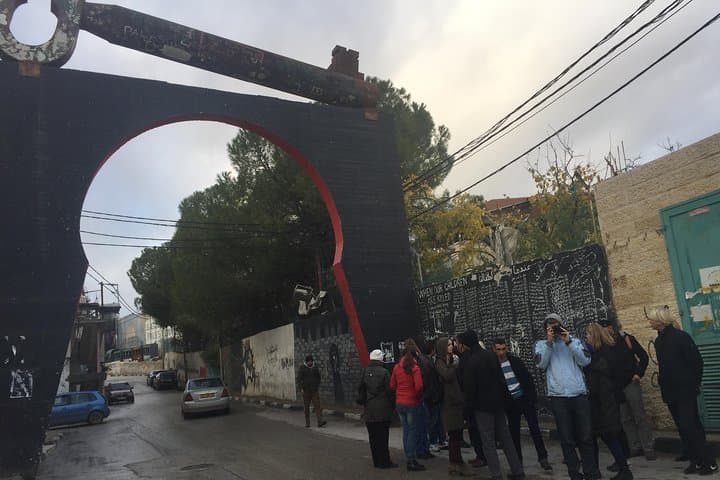
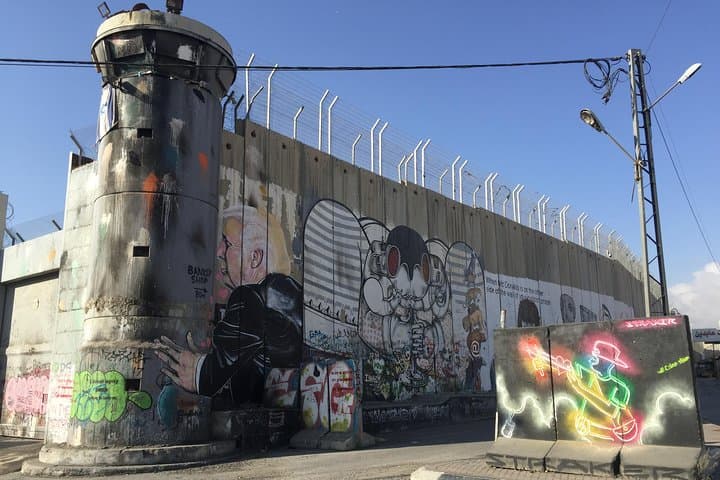
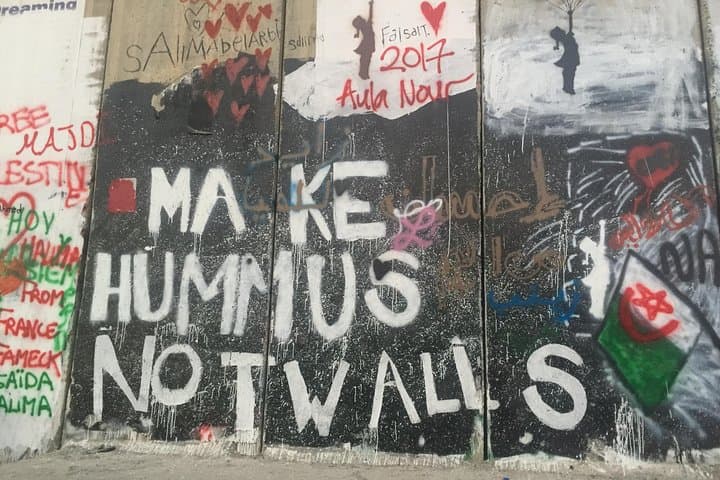
Stepping out of the van, visitors meet Bethlehem as a city of stone streets and sharp contrasts: concrete walls etched with graffiti that demand attention, narrow alleys where everyday life continues, and open fields that slope toward Herodium. The walk begins in a refugee camp where conversation and observation replace sightseeing; guides weave lived experience into routes that move between the Walled Off Hotel, the Shepherds' Fields, and the Church of the Nativity.
Stepping out of the van, visitors meet Bethlehem as a city of stone streets and sharp contrasts: concrete walls etched with graffiti that demand attention, narrow alleys where everyday life continues, and open fields that slope toward Herodium. The walk begins in a refugee camp where conversation and observation replace sightseeing; guides weave lived experience into routes that move between the Walled Off Hotel, the Shepherds' Fields, and the Church of the Nativity.
This corridor of sites compresses layers of history and contested geography. Bethlehem's Roman-era and Byzantine heritage sits beside modern political geography—the Separation Wall erected in the early 2000s, encircling neighborhoods and public spaces. The area’s geology is limestone plateau; terraces and ancient quarries shaped local architecture. Cultural life here is public and vocal: markets, church bells, and community centers like the Bethlehem Peace Center offer context for the conversations that define the tour.
Practical guidance is straightforward. Expect predominantly flat, urban walking over 3–5 hours with short drives to viewpoints; comfortable, modest clothing and sensible shoes are recommended. Photography is generally allowed, but ask before photographing people in camps. Mid-morning departures avoid larger crowds and harsher sun; late afternoons bring warmer light for murals. Respectful listening and questions are central—this is an education-first route, not a photo-op. Bring water, carry ID, and follow local guide directions around checkpoints. For travelers seeking an on-the-ground perspective of life in Bethlehem, this alternative route pairs accessible walking with nuanced context and direct local voices.