THE ADVENTURE COLLECTIVE® · Independent discovery and booking for outdoor travel

Skip the crush outside Buckingham Palace and follow a guide who times moves, micromanages sightlines, and unlocks the history behind the scarlet-coated ritual. This 90-minute walking tour delivers the best views and context for the Changing of the Guard.
Skip the crush outside Buckingham Palace and follow a guide who times moves, micromanages sightlines, and unlocks the history behind the scarlet-coated ritual. This 90-minute walking tour delivers the best views and context for the Changing of the Guard.
It begins before the band strikes its first note: a line of scarlet tunics and bearskin hats assembling beside damp cobbles while St. James’s Park exhales its morning mist. Participants meet at the Duke of York Column, don headsets, and fall into step with a guide who reads the choreography of the ceremony like sheet music — where to stand, when to shift, which flank to avoid the densest crowds.
Verified experiences and guided adventures in the surrounding area.
Operated by City Wonders UK · London, Greater London
It begins before the band strikes its first note: a line of scarlet tunics and bearskin hats assembling beside damp cobbles while St. James’s Park exhales its morning mist. Participants meet at the Duke of York Column, don headsets, and fall into step with a guide who reads the choreography of the ceremony like sheet music — where to stand, when to shift, which flank to avoid the densest crowds.
The Changing of the Guard traces its roots to the household troops who stood watch over the sovereign; what started as practical relief of sentries evolved into a public ritual shaped through the 18th and 19th centuries. The route threads historic military sites and palatial facades, and the helmets, boots, and mounted cavalry point to a long military culture that still plays a civic role today.
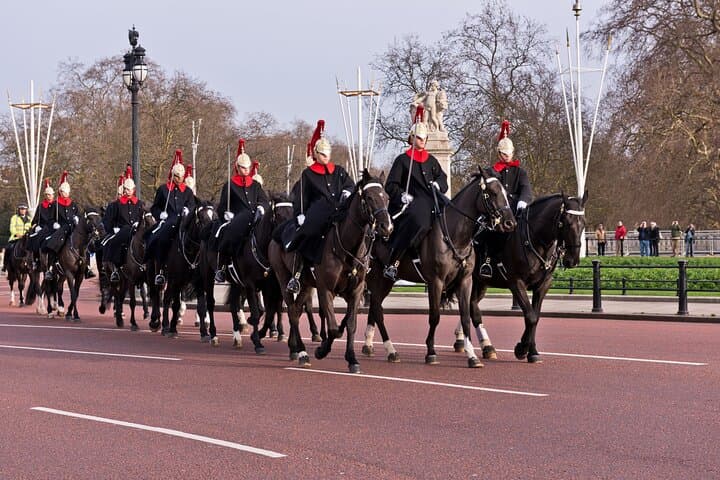
Visitors will pass polished hooves of the Household Cavalry and the precise footwork of the Guards, all framed by Georgian stone and municipal green. Guides place the spectacle in context — uniforms, regiments, and the occasional ‘wet change’ substitution when rain alters the music.
Practicalities matter: the tour lasts about 90 minutes, involves standing and brisk walking between vantage points, and moves steadily to keep ahead of crowds. Dress for London weather, bring layered waterproofs, and charge your phone for photos: your best shots come from the curated viewpoints, not the river of tourists outside the palace gates. Small group size (around 15–20) keeps the experience intimate while ensuring photographers and history lovers get the clear lines of the ceremony.
moderate.
1.5 hours.
Moderate fitness — participants should be able to stand and walk briskly for short stretches and handle stairs if needed
The meeting point is the Duke of York Column in St. James’s; the tour concludes outside Buckingham Palace after visiting curated vantage points.
Yes — the official ceremony can be altered or cancelled at short notice by authorities; a ‘wet change’ (march without full music) often occurs in poor weather.
Yes, if they can stand and walk for about 90 minutes; small group sizes and guided positioning make it manageable for most families.
Photography is allowed from public viewing areas; your guide will position the group for unobstructed shots but avoid blocking other spectators.
The ceremony evolved from the practical rotation of the monarch’s guards; its public form was refined over the 18th and 19th centuries and continues as both military duty and civic pageant.
Visitors are encouraged to use public transport, stick to designated areas, and avoid littering to protect the park and historic spaces.
City Wonders UK operates guided outdoor trips and adventures with an emphasis on safety, stewardship, and memorable experiences.
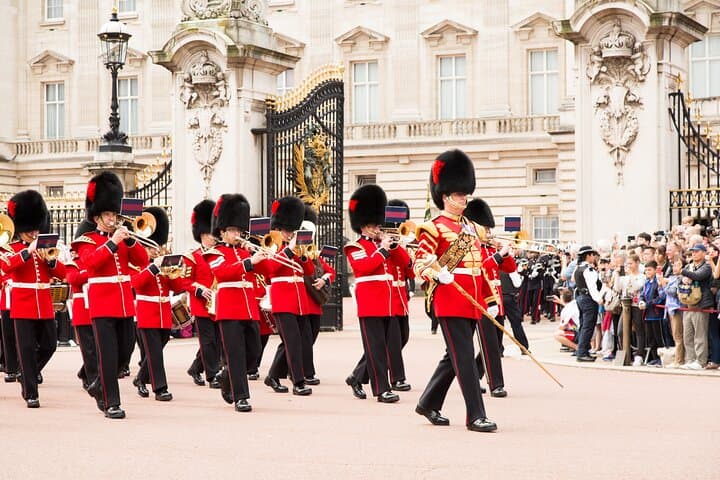
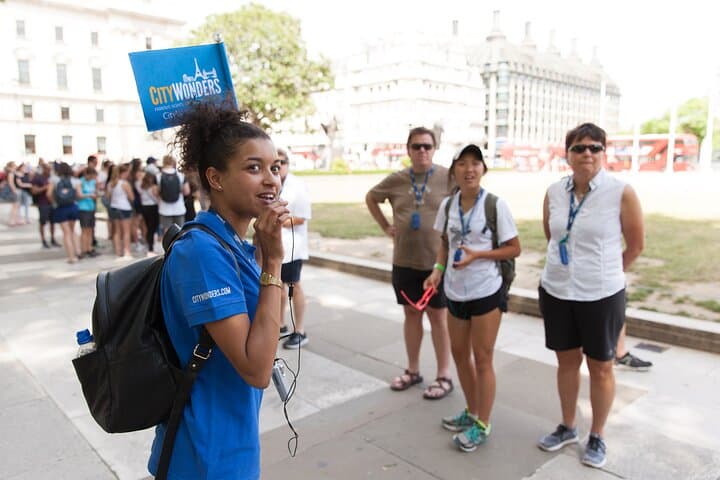
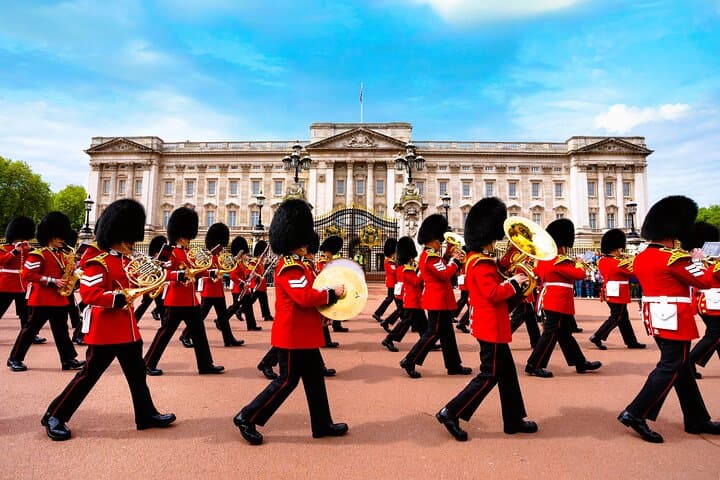
It begins before the band strikes its first note: a line of scarlet tunics and bearskin hats assembling beside damp cobbles while St. James’s Park exhales its morning mist. Participants meet at the Duke of York Column, don headsets, and fall into step with a guide who reads the choreography of the ceremony like sheet music — where to stand, when to shift, which flank to avoid the densest crowds.
It begins before the band strikes its first note: a line of scarlet tunics and bearskin hats assembling beside damp cobbles while St. James’s Park exhales its morning mist. Participants meet at the Duke of York Column, don headsets, and fall into step with a guide who reads the choreography of the ceremony like sheet music — where to stand, when to shift, which flank to avoid the densest crowds.
The Changing of the Guard traces its roots to the household troops who stood watch over the sovereign; what started as practical relief of sentries evolved into a public ritual shaped through the 18th and 19th centuries. The route threads historic military sites and palatial facades, and the helmets, boots, and mounted cavalry point to a long military culture that still plays a civic role today.
Visitors will pass polished hooves of the Household Cavalry and the precise footwork of the Guards, all framed by Georgian stone and municipal green. Guides place the spectacle in context — uniforms, regiments, and the occasional ‘wet change’ substitution when rain alters the music.
Practicalities matter: the tour lasts about 90 minutes, involves standing and brisk walking between vantage points, and moves steadily to keep ahead of crowds. Dress for London weather, bring layered waterproofs, and charge your phone for photos: your best shots come from the curated viewpoints, not the river of tourists outside the palace gates. Small group size (around 15–20) keeps the experience intimate while ensuring photographers and history lovers get the clear lines of the ceremony.