THE ADVENTURE COLLECTIVE® · Independent discovery and booking for outdoor travel

An eight-day private tour that stitches together Istanbul’s imperial monuments, the marble streets of Ephesus and the otherworldly rockscape of Cappadocia—perfect for travelers who want comprehensive logistics with room to explore.
An eight-day private tour that stitches together Istanbul’s imperial monuments, the marble streets of Ephesus and the otherworldly rockscape of Cappadocia—perfect for travelers who want comprehensive logistics with room to explore.
You step out of Istanbul Airport into a late-summer breeze and the trip begins: tuk-tuk traffic and European-meets-Asian energy fading behind as a private car pulls onto the motorway. Over eight days the itinerary condenses Turkey’s long view—Ottoman domes, Roman marble, and valleys gouged by wind—into a sequence of lasting images.
Verified experiences and guided adventures in the surrounding area.
Operated by Travel China Guide · Istanbul, Istanbul Province
You step out of Istanbul Airport into a late-summer breeze and the trip begins: tuk-tuk traffic and European-meets-Asian energy fading behind as a private car pulls onto the motorway. Over eight days the itinerary condenses Turkey’s long view—Ottoman domes, Roman marble, and valleys gouged by wind—into a sequence of lasting images.
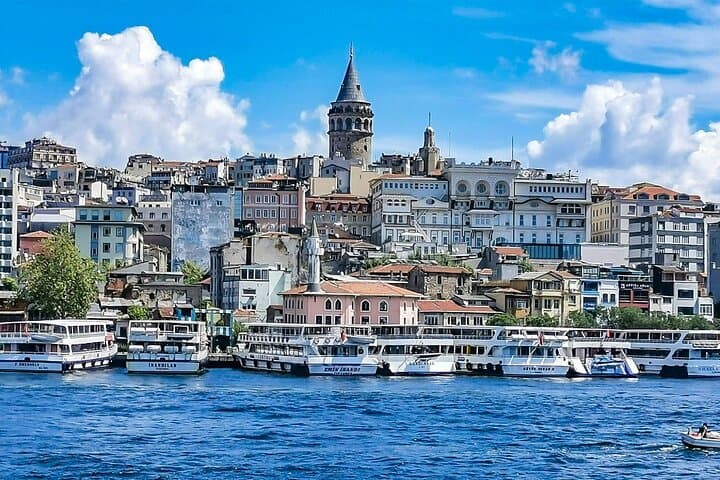
In Istanbul the tour opens with Topkapi Palace and Hagia Sophia, monuments that map the city’s imperial shifts from Byzantine mosaics to Ottoman courtyards. The Bosphorus cruise that follows lets the strait play host; mosques and wooden waterside mansions lean toward the current while the bridge casually connects continents.
A domestic flight lands you in Izmir and then Kusadası, the gateway to Ephesus. The archaeological park unfolds over a gentle mile of marble streets: the Celsus Library’s two-story façade, the Grand Theater’s stepped curve and the Temple of Hadrian’s carved reliefs. Expect several kilometers of walking on uneven ancient stone—elevation is minimal but footing demands attention.
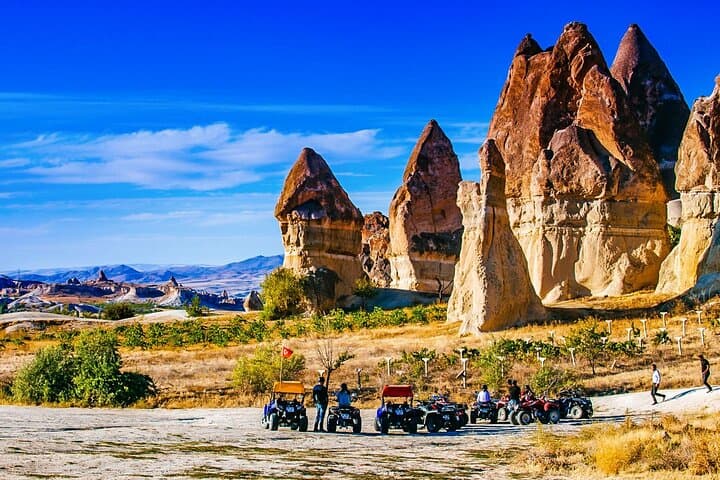
Cappadocia is a different geology lesson. Volcanic tuff laid down millions of years ago has been hewn by temperature and wind into fairy chimneys, cave dwellings and hollowed monasteries. Göreme Open-Air Museum features painted rock churches, while Pasabag and Devrent present mushroom-like hoodoos and animal-shaped formations. Southern Cappadocia pushes to deeper scale: Derinkuyu’s underground city descends roughly 60 meters through narrow, low-ceilinged passages and compact stairways; Lalehkara Valley (Ihlara) offers a 3–4 km riverside walk past frescoed cliff chapels.
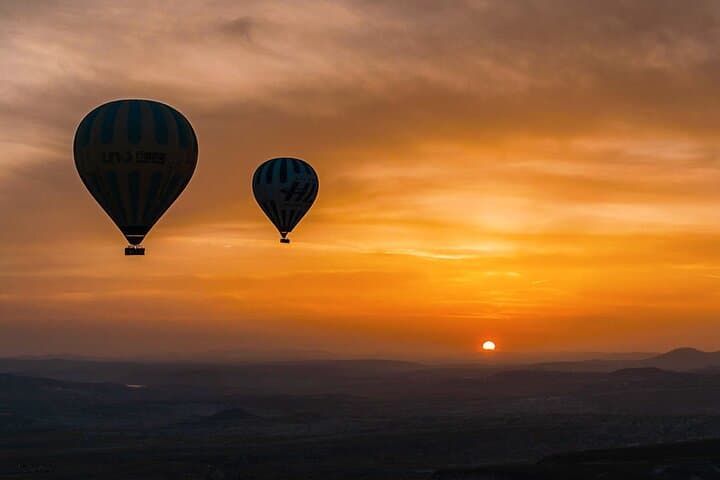
Culture threads the trip: a lingering tea in Şirince village after Ephesus, a pottery demonstration in Avanos, and cave hotels where rooms are carved into stone and mornings can start with the silhouette of balloons over the valley (balloon rides are optional, not included).
Practical guidance: domestic flights between Istanbul, Izmir and Cappadocia are included, but confirm flight times and visa requirements well in advance. Comfortable walking shoes with good grip are essential for ancient stone and volcanic scree; a daypack, refillable water bottle and sun protection matter year-round. Expect early starts to beat crowds at Ephesus and to catch Cappadocia’s soft morning light. The tour is suitable for most fitness levels, though the underground city requires crouching and steady knees.
Food is an entrée into region and history—Aegean olive oil and local wines in Şirince, hearty stews in Cappadocia—and English-speaking guides keep context clear. For responsible travel, stay on marked paths in fragile rock sites and avoid climbing on the fairy chimneys. With logistics handled—transfers, select meals, and hotels—this private itinerary lets travelers focus on the parts that matter: walking through layers of time and watching landscapes that still seem to be shaping themselves.
moderate.
8 days.
Reasonable mobility for walking several kilometers on uneven terrain; able to manage stairs and occasional crouching in underground passages.
Yes—domestic flights between Istanbul, Izmir (for Ephesus) and Cappadocia are included in this itinerary; confirm exact flight times before travel.
Many nationalities need an e-visa obtained before arrival. The tour supplier notes that visa compliance is the traveler’s responsibility—arrange it prior to departure.
No—hot-air balloon rides are optional and booked separately through local operators; they are weather-dependent and often sell out early.
Expect several kilometers of walking each day on uneven surfaces—Ephesus involves long marble streets while Cappadocia includes short hikes and valley walks up to 3–4 km.
The itinerary is family-friendly but Derinkuyu and some cave sites have tight spaces and stairs; discuss mobility needs with the operator when booking.
Turkey uses the Turkish lira (TRY) and Turkish is the primary language; English-speaking guides are provided for the tour but carry some cash for small purchases.
Ephesus was a major Roman port and cultural center; Cappadocia’s cave dwellings developed as volcanic layers were carved for homes and monasteries over centuries.
Both Ephesus and Cappadocia face erosion and wear from foot traffic—stick to marked paths, avoid touching frescoes, and follow local guidance to reduce impact.
Travel China Guide operates guided outdoor trips and adventures with an emphasis on safety, stewardship, and memorable experiences.
You step out of Istanbul Airport into a late-summer breeze and the trip begins: tuk-tuk traffic and European-meets-Asian energy fading behind as a private car pulls onto the motorway. Over eight days the itinerary condenses Turkey’s long view—Ottoman domes, Roman marble, and valleys gouged by wind—into a sequence of lasting images.
You step out of Istanbul Airport into a late-summer breeze and the trip begins: tuk-tuk traffic and European-meets-Asian energy fading behind as a private car pulls onto the motorway. Over eight days the itinerary condenses Turkey’s long view—Ottoman domes, Roman marble, and valleys gouged by wind—into a sequence of lasting images.
In Istanbul the tour opens with Topkapi Palace and Hagia Sophia, monuments that map the city’s imperial shifts from Byzantine mosaics to Ottoman courtyards. The Bosphorus cruise that follows lets the strait play host; mosques and wooden waterside mansions lean toward the current while the bridge casually connects continents.
A domestic flight lands you in Izmir and then Kusadası, the gateway to Ephesus. The archaeological park unfolds over a gentle mile of marble streets: the Celsus Library’s two-story façade, the Grand Theater’s stepped curve and the Temple of Hadrian’s carved reliefs. Expect several kilometers of walking on uneven ancient stone—elevation is minimal but footing demands attention.
Cappadocia is a different geology lesson. Volcanic tuff laid down millions of years ago has been hewn by temperature and wind into fairy chimneys, cave dwellings and hollowed monasteries. Göreme Open-Air Museum features painted rock churches, while Pasabag and Devrent present mushroom-like hoodoos and animal-shaped formations. Southern Cappadocia pushes to deeper scale: Derinkuyu’s underground city descends roughly 60 meters through narrow, low-ceilinged passages and compact stairways; Lalehkara Valley (Ihlara) offers a 3–4 km riverside walk past frescoed cliff chapels.
Culture threads the trip: a lingering tea in Şirince village after Ephesus, a pottery demonstration in Avanos, and cave hotels where rooms are carved into stone and mornings can start with the silhouette of balloons over the valley (balloon rides are optional, not included).
Practical guidance: domestic flights between Istanbul, Izmir and Cappadocia are included, but confirm flight times and visa requirements well in advance. Comfortable walking shoes with good grip are essential for ancient stone and volcanic scree; a daypack, refillable water bottle and sun protection matter year-round. Expect early starts to beat crowds at Ephesus and to catch Cappadocia’s soft morning light. The tour is suitable for most fitness levels, though the underground city requires crouching and steady knees.
Food is an entrée into region and history—Aegean olive oil and local wines in Şirince, hearty stews in Cappadocia—and English-speaking guides keep context clear. For responsible travel, stay on marked paths in fragile rock sites and avoid climbing on the fairy chimneys. With logistics handled—transfers, select meals, and hotels—this private itinerary lets travelers focus on the parts that matter: walking through layers of time and watching landscapes that still seem to be shaping themselves.