THE ADVENTURE COLLECTIVE® · Independent discovery and booking for outdoor travel

A private two-hour walking tour through Puerto de la Cruz, combining coastal views, historic forts and local flavors. Perfect for travelers who want a concentrated, guided introduction to northern Tenerife.
A private two-hour walking tour through Puerto de la Cruz, combining coastal views, historic forts and local flavors. Perfect for travelers who want a concentrated, guided introduction to northern Tenerife.
You step off the harbor onto warm basalt paving, the Atlantic wind pressing salt into your hair and the square’s palms keeping a slow, rhythmic sway. In two hours a local guide sketches the island’s contrasts—black-sand edges, low white houses, and a line of volcanic ridges rising inland toward Teide—while pointing out clever stonework and coastal defenses that once faced corsairs.
Verified experiences and guided adventures in the surrounding area.
Operated by Opatrip.com Spain · Puerto de la Cruz, Santa Cruz de Tenerife
You step off the harbor onto warm basalt paving, the Atlantic wind pressing salt into your hair and the square’s palms keeping a slow, rhythmic sway. In two hours a local guide sketches the island’s contrasts—black-sand edges, low white houses, and a line of volcanic ridges rising inland toward Teide—while pointing out clever stonework and coastal defenses that once faced corsairs.
Tenerife’s history is written in its geology: volcanic eruptions built the shield that became Spain’s highest peak, Mount Teide, and fragmented lava flows shaped north-coast harbors. Puerto de la Cruz grew as an 18th‑ and 19th‑century port; look for the Castillo San Felipe, a compact fortification that protected merchants from pirate raids, and a modern lighthouse that offers sweeping ocean outlooks.
Culture here is walkable—plazas that function as living rooms, cafés serving small plates of papas arrugadas and mojo, and neighborhoods where Canarian architecture meets maritime life. Your guide threads stories about fishing families, horticulture from mainland imports, and the island’s seasonal festivals.
Practically: this is an easy, urban walking route with short stair sections and cobbled streets—comfortable shoes and sun protection make the difference. Hydrate before you start; bring a light layer for coastal breezes and pockets for small purchases at market stalls. Morning departures avoid midday heat and deliver calmer light for photos. If you want quieter corners, ask to detour to the botanical garden or a seaside promenade; a private guide can tailor the pace and interests to your group.
easy.
2 hours.
Suitable for most fitness levels; involves walking on uneven pavement and short flights of steps.
Meeting is typically in a central Puerto de la Cruz location such as Plaza del Charco; your confirmation will list the exact meeting point.
Yes — the tour is private and led by a professional local guide tailored to your group's interests.
This walking tour focuses on public sites and viewpoints; any entrance fees to paid attractions are generally not included unless specified.
Full refund available if cancelled at least 24 hours before the scheduled departure; weather cancellations may also apply.
Puerto de la Cruz developed as a port and health destination in the 18th–19th centuries; coastal forts like Castillo San Felipe reflect frequent historic raids and maritime trade.
Tenerife’s volcanic landscapes and coastal habitats are sensitive—stick to paths, avoid removing stones or shells, and support local businesses to reduce tourism pressure.
Opatrip.com Spain operates guided outdoor trips and adventures with an emphasis on safety, stewardship, and memorable experiences.

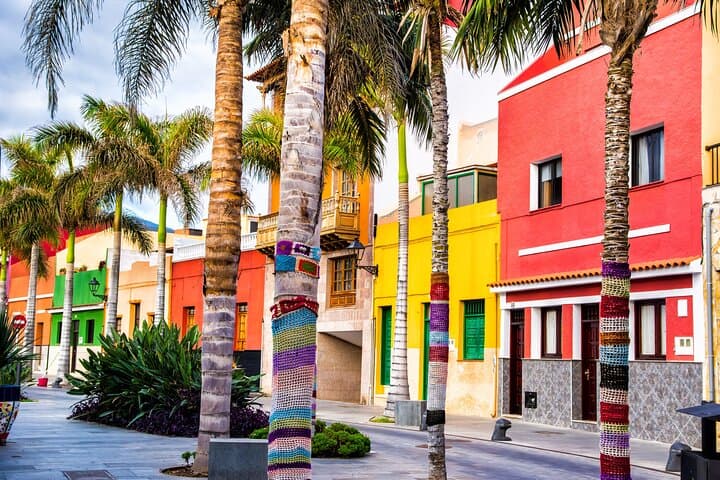

You step off the harbor onto warm basalt paving, the Atlantic wind pressing salt into your hair and the square’s palms keeping a slow, rhythmic sway. In two hours a local guide sketches the island’s contrasts—black-sand edges, low white houses, and a line of volcanic ridges rising inland toward Teide—while pointing out clever stonework and coastal defenses that once faced corsairs.
You step off the harbor onto warm basalt paving, the Atlantic wind pressing salt into your hair and the square’s palms keeping a slow, rhythmic sway. In two hours a local guide sketches the island’s contrasts—black-sand edges, low white houses, and a line of volcanic ridges rising inland toward Teide—while pointing out clever stonework and coastal defenses that once faced corsairs.
Tenerife’s history is written in its geology: volcanic eruptions built the shield that became Spain’s highest peak, Mount Teide, and fragmented lava flows shaped north-coast harbors. Puerto de la Cruz grew as an 18th‑ and 19th‑century port; look for the Castillo San Felipe, a compact fortification that protected merchants from pirate raids, and a modern lighthouse that offers sweeping ocean outlooks.
Culture here is walkable—plazas that function as living rooms, cafés serving small plates of papas arrugadas and mojo, and neighborhoods where Canarian architecture meets maritime life. Your guide threads stories about fishing families, horticulture from mainland imports, and the island’s seasonal festivals.
Practically: this is an easy, urban walking route with short stair sections and cobbled streets—comfortable shoes and sun protection make the difference. Hydrate before you start; bring a light layer for coastal breezes and pockets for small purchases at market stalls. Morning departures avoid midday heat and deliver calmer light for photos. If you want quieter corners, ask to detour to the botanical garden or a seaside promenade; a private guide can tailor the pace and interests to your group.