THE ADVENTURE COLLECTIVE® · Independent discovery and booking for outdoor travel

Explore York’s medieval core in a compact 90‑minute small‑group walk that takes you from Museum Gardens to the Shambles and deep into the Snickelways. Expect vivid storytelling, multimedia aids, and a close-up look at Roman, Viking and medieval traces without the museum queues.
Explore York’s medieval core in a compact 90‑minute small‑group walk that takes you from Museum Gardens to the Shambles and deep into the Snickelways. Expect vivid storytelling, multimedia aids, and a close-up look at Roman, Viking and medieval traces without the museum queues.
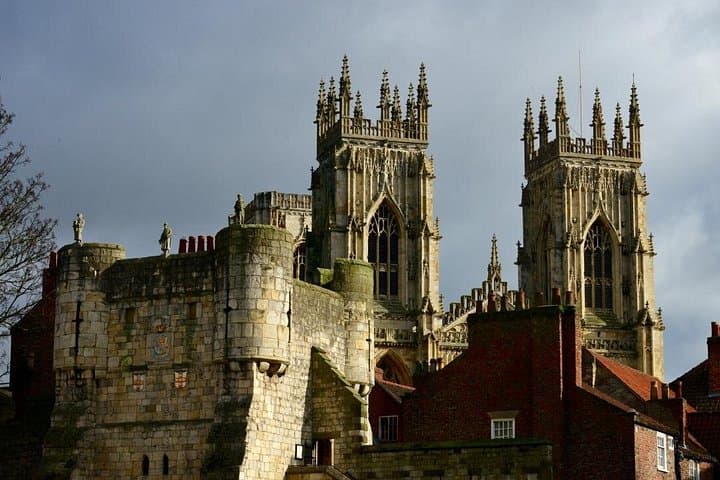
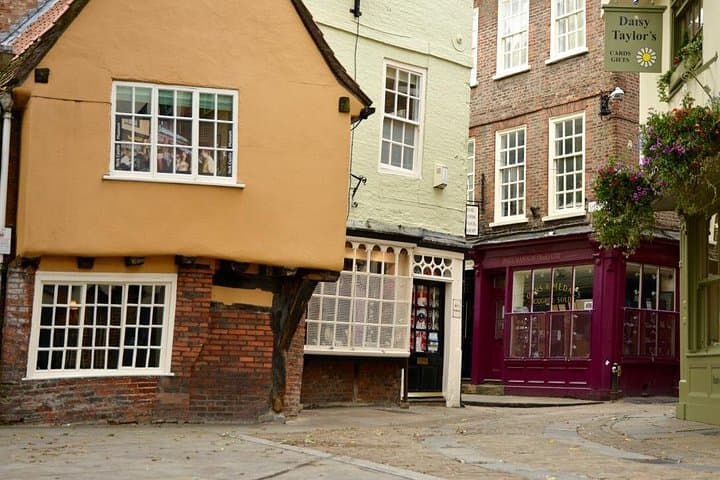
You step off a modern pavement and the city tightens around you: narrow cobbles, timber-framed houses leaning like old friends, and the Minster’s stone face lifting above rooftops. In ninety minutes a small-group guide threads you from the broad sweep of Museum Gardens to the cramped, shadowed alleys that locals call Snickelways, letting the past press close without slowing the pace.
Verified experiences and guided adventures in the surrounding area.
Operated by Yorktour · York, North Yorkshire
You step off a modern pavement and the city tightens around you: narrow cobbles, timber-framed houses leaning like old friends, and the Minster’s stone face lifting above rooftops. In ninety minutes a small-group guide threads you from the broad sweep of Museum Gardens to the cramped, shadowed alleys that locals call Snickelways, letting the past press close without slowing the pace.
York began as the Roman fortress of Eboracum, later grew under Viking trade as Jorvik, and then bloomed into a medieval ecclesiastical center — traces of each era are visible in the street plan, brickwork and place names. Geologically the city sits on glacially influenced lowlands where the River Ouse still maps old flood plains; you’ll notice the soft river breeze and the resilience of stone and timber to centuries of weather.
Expect mostly flat, paved and cobbled terrain and short, sharp turns through alleyways; elevation gain is negligible. The tour focuses on storytelling rather than entering paywalled sites — exterior views of York Minster, the ruins of St Mary’s Abbey in Museum Gardens, the famous Shambles and the hidden Snickelways are primary stops. Guides use multimedia illustrations and provide a complimentary map to orient you.
Practical edge: wear grippy shoes for cobbles, bring a waterproof layer in unpredictable seasons, and charge your phone for photos and the guide’s visual content. Accessibility is good on principal routes but some alleys are narrow; check with the operator if mobility concerns exist. Small-group size keeps the pace brisk and conversation easy — a compact, sensory primer on York’s layered history.
easy.
1.5 hours.
Suitable for most fitness levels; mostly walking on flat urban terrain with short, slow sections.
No — mobile tickets are accepted; show the voucher on your phone at the meeting point.
Key routes are accessible and the operator notes wheelchair and stroller accessibility, but some Snickelways are narrow—contact the operator ahead to confirm alternative routing.
No — the tour provides exterior views of the Minster; admission to enter the cathedral is separate.
Tours run in most weather; wear appropriate layers. The operator’s cancellation policy allows a full refund if you cancel at least 24 hours in advance.
York began as the Roman fortress Eboracum, later became Viking Jorvik and then a major medieval ecclesiastical center—layers of these eras remain in street names and stonework.
High foot traffic affects fragile medieval fabric; stick to paved routes, follow signage, and avoid touching carved stone to help preserve historic surfaces.
Yorktour operates guided outdoor trips and adventures with an emphasis on safety, stewardship, and memorable experiences.
You step off a modern pavement and the city tightens around you: narrow cobbles, timber-framed houses leaning like old friends, and the Minster’s stone face lifting above rooftops. In ninety minutes a small-group guide threads you from the broad sweep of Museum Gardens to the cramped, shadowed alleys that locals call Snickelways, letting the past press close without slowing the pace.
You step off a modern pavement and the city tightens around you: narrow cobbles, timber-framed houses leaning like old friends, and the Minster’s stone face lifting above rooftops. In ninety minutes a small-group guide threads you from the broad sweep of Museum Gardens to the cramped, shadowed alleys that locals call Snickelways, letting the past press close without slowing the pace.
York began as the Roman fortress of Eboracum, later grew under Viking trade as Jorvik, and then bloomed into a medieval ecclesiastical center — traces of each era are visible in the street plan, brickwork and place names. Geologically the city sits on glacially influenced lowlands where the River Ouse still maps old flood plains; you’ll notice the soft river breeze and the resilience of stone and timber to centuries of weather.
Expect mostly flat, paved and cobbled terrain and short, sharp turns through alleyways; elevation gain is negligible. The tour focuses on storytelling rather than entering paywalled sites — exterior views of York Minster, the ruins of St Mary’s Abbey in Museum Gardens, the famous Shambles and the hidden Snickelways are primary stops. Guides use multimedia illustrations and provide a complimentary map to orient you.
Practical edge: wear grippy shoes for cobbles, bring a waterproof layer in unpredictable seasons, and charge your phone for photos and the guide’s visual content. Accessibility is good on principal routes but some alleys are narrow; check with the operator if mobility concerns exist. Small-group size keeps the pace brisk and conversation easy — a compact, sensory primer on York’s layered history.