THE ADVENTURE COLLECTIVE® · Independent discovery and booking for outdoor travel

Walk Wellington with a local: two hours of compact city streets, quick climbs to sweeping harbour views, and insider stories about the capital’s past and present. Ideal for first-time visitors who want history, architecture, and urban culture delivered at an easy pace.
Walk Wellington with a local: two hours of compact city streets, quick climbs to sweeping harbour views, and insider stories about the capital’s past and present. Ideal for first-time visitors who want history, architecture, and urban culture delivered at an easy pace.
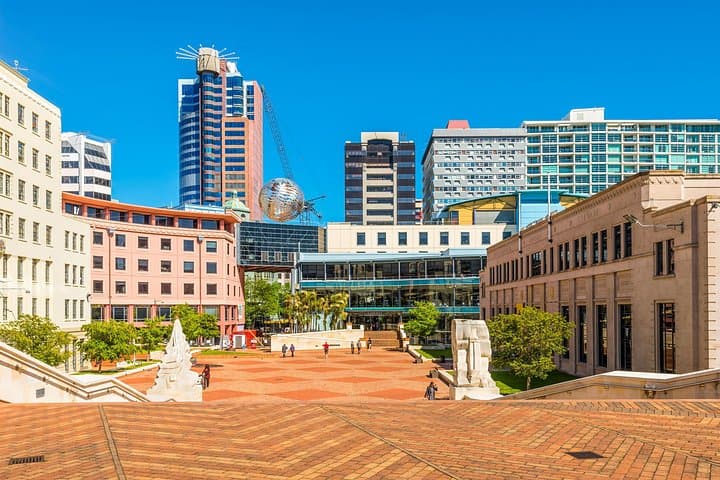
The harbor dares you to look up: a fringe of water that pushes light into the glass fronts of downtown, while forested ridges hold the city like a watchful companion. On a two-hour private walk through Wellington you move through streets that change character every few blocks — commercial quayside, tidy Victorian lanes, and sudden art-filled alleys — led by a local who points out the stories the city keeps in plain sight.
Verified experiences and guided adventures in the surrounding area.
Operated by Opatrip.com New Zealand · Wellington, Wellington
The harbor dares you to look up: a fringe of water that pushes light into the glass fronts of downtown, while forested ridges hold the city like a watchful companion. On a two-hour private walk through Wellington you move through streets that change character every few blocks — commercial quayside, tidy Victorian lanes, and sudden art-filled alleys — led by a local who points out the stories the city keeps in plain sight.
Wellington began as Te Whanganui-a-Tara, a Māori anchorage carved by wind and sea; the modern capital grew quickly in the 19th century, stacking Victorian stone against newer concrete forms like the iconic Beehive. The geology is close: steep ridges and fault-line influenced valleys that make for short, steep climbs and rewarding viewpoints. Culture here is civic and creative — galleries, a compact museum, and cafés where arts and politics converse over coffee.
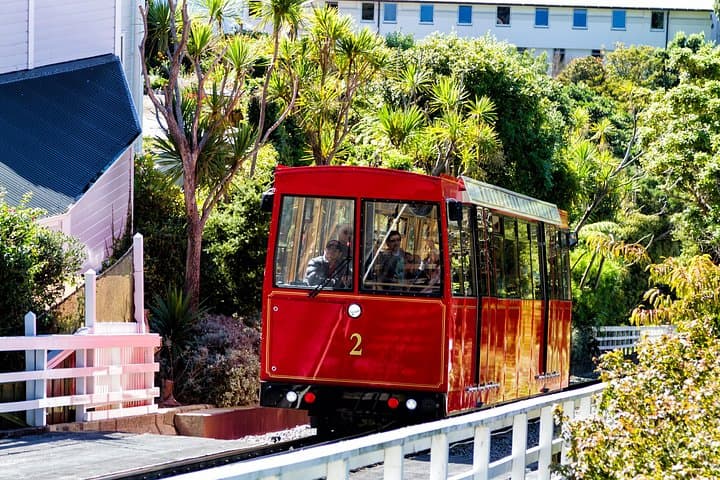
Expect a measured pace with frequent stops: public art, a rideable cable car experience, a compact national museum, and a small modern gallery with a café. The guide layers history, local legends, and practical notes about transit, food, and where to pause for the best harbour view.
Practicalities: wear grippy shoes for short stair sections, pack a lightweight rain layer (Wellington’s wind often delivers quick showers), and bring a reusable bottle. The tour suits first-time visitors who want a clear orientation of the city’s layout and character without fighting crowds.
easy.
2 hours.
Suitable for all fitness levels; involves urban walking, short flights of stairs, and brief uphill sections.
Yes — the pace is easy and stops are frequent; guides tailor stories and routes for families on request.
Meeting details are provided at booking; guides typically start in the central CBD and confirm the end point at the tour’s start.
Parts of the central CBD are accessible, but there are short stair sections and steep streets; contact the operator to arrange an accessible route if needed.
Tipping is appreciated but not required; a small gratuity for excellent personalized service is common practice.
Wellington grew around Te Whanganui-a-Tara harbour and became New Zealand’s capital in 1865, a history visible in its Victorian buildings and evolving civic architecture.
Local guides stress low-impact travel — stay on paths, respect taonga (Māori cultural sites), and support independent cafés and galleries to keep tourism benefits local.
Opatrip.com New Zealand operates guided outdoor trips and adventures with an emphasis on safety, stewardship, and memorable experiences.


The harbor dares you to look up: a fringe of water that pushes light into the glass fronts of downtown, while forested ridges hold the city like a watchful companion. On a two-hour private walk through Wellington you move through streets that change character every few blocks — commercial quayside, tidy Victorian lanes, and sudden art-filled alleys — led by a local who points out the stories the city keeps in plain sight.
The harbor dares you to look up: a fringe of water that pushes light into the glass fronts of downtown, while forested ridges hold the city like a watchful companion. On a two-hour private walk through Wellington you move through streets that change character every few blocks — commercial quayside, tidy Victorian lanes, and sudden art-filled alleys — led by a local who points out the stories the city keeps in plain sight.
Wellington began as Te Whanganui-a-Tara, a Māori anchorage carved by wind and sea; the modern capital grew quickly in the 19th century, stacking Victorian stone against newer concrete forms like the iconic Beehive. The geology is close: steep ridges and fault-line influenced valleys that make for short, steep climbs and rewarding viewpoints. Culture here is civic and creative — galleries, a compact museum, and cafés where arts and politics converse over coffee.
Expect a measured pace with frequent stops: public art, a rideable cable car experience, a compact national museum, and a small modern gallery with a café. The guide layers history, local legends, and practical notes about transit, food, and where to pause for the best harbour view.
Practicalities: wear grippy shoes for short stair sections, pack a lightweight rain layer (Wellington’s wind often delivers quick showers), and bring a reusable bottle. The tour suits first-time visitors who want a clear orientation of the city’s layout and character without fighting crowds.