THE ADVENTURE COLLECTIVE® · Independent discovery and booking for outdoor travel

A private guide, three nights on Onetangi Beach and a custom four-day itinerary let travelers trade crowds for local knowledge—walk headlands, visit vineyards, and learn the island’s ecology and history at an easy pace.
A private guide, three nights on Onetangi Beach and a custom four-day itinerary let travelers trade crowds for local knowledge—walk headlands, visit vineyards, and learn the island’s ecology and history at an easy pace.
The ferry slips away from Auckland and the Hauraki Gulf widens like a promise. On approach, Waiheke’s low ridgelines and the pale arc of Onetangi Beach resolve into place — scrubby manuka, pockets of wind-bent pōhutukawa and the angular roofs of galleries and vineyards. Over four days a private guide from Terra & Tide becomes less a leader and more a local compass, opening gates to coastal headlands, woodlands and cellar doors with the kind of explanations that make the landscape suddenly legible.
Verified experiences and guided adventures in the surrounding area.
Operated by Terra & Tide · Waiheke Island, Auckland
The ferry slips away from Auckland and the Hauraki Gulf widens like a promise. On approach, Waiheke’s low ridgelines and the pale arc of Onetangi Beach resolve into place — scrubby manuka, pockets of wind-bent pōhutukawa and the angular roofs of galleries and vineyards. Over four days a private guide from Terra & Tide becomes less a leader and more a local compass, opening gates to coastal headlands, woodlands and cellar doors with the kind of explanations that make the landscape suddenly legible.
Waiheke was shaped by volcanic flows and long coastal processes. The island’s soils are a patchwork: older greywacke and argillite underlay the north, while pockets of volcanic basalt feed the fertile pockets that now host vineyards. Māori settled here for centuries, and place names and seasonal resources—kaimoana (seafood) and seasonal aruhe (fern root)—still inform local customs. European settlers arrived in the 19th century, planting olives and grapes; today the island balances an artist community, boutique wine producers and active conservation groups restoring coastal scrub.
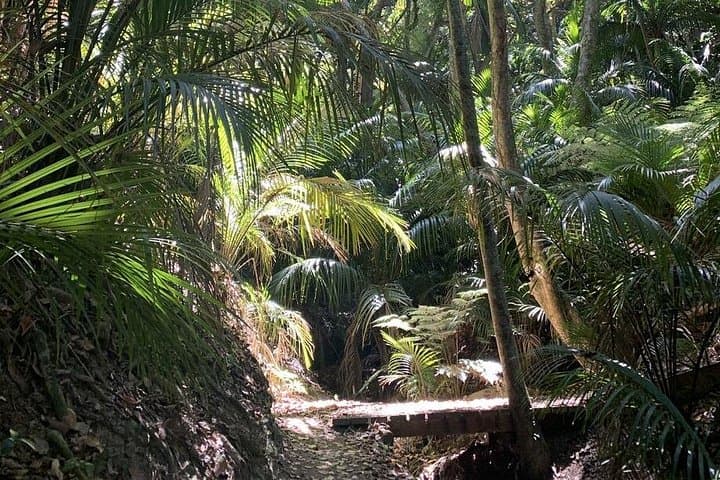
On day one, a theme walk — from bush to beach — proves how quickly environments change here: dense kanuka gives way to wind-sheared grasslands, then to a shoreline where waves test your ankle and rock pools stare back. The Double Headland Walk offers the island’s classic exposure to wind and water, and quieter options like the Vineyards & Bush Walk thread through working estates where tasting rooms wait at the end of the afternoon.
Guides tailor each day to the group’s appetite: art walks through Oneroa’s galleries, forest therapy in shaded gullies, or deliberate slow walks that focus on bird song and plant ID. Meals are simple and local—packed lunches with fresh-brewed coffee, dinners sourced from island growers and an apartment on Onetangi Beach as a home base. Transfers are included, removing the friction of ferry times and parking.
Practicalities: expect variable weather; a raincoat and layers are essential as sea breezes can cut through even on mild days. Trail surfaces range from compact coastal tracks to pebbled beaches and short ladder-strewn rises — no technical climbing required, but steady footwear matters. Book a morning ferry to meet the guide at Matiatia and let the schedule unfold: mornings for walks, afternoons for wine, and evening for quiet beaches.
This private itinerary is ideal for small groups who want choice and local depth: a mix of natural history, accessible walking and curated cultural stops. Conservation projects dot the route — restore plantings and predator control are visible — and the island rewards slow attention: you’ll come away having seen seabirds riding the thermals, tasted a wine that couldn’t exist anywhere else, and learned the island’s stories at a human scale.
easy.
4 days (3 nights).
Suitable for average fitness; participants should be comfortable walking 2–6 km on uneven trails each day
Ferry travel to Waiheke is included in the tour package so you don’t need to purchase a separate ferry ticket for the specified pick-up arrangements.
Yes; the package includes breakfast, dinner and packed lunches with fresh-brewed coffee or tea each day.
The itinerary is tailored to your group and is suitable for most ages and fitness levels; let the operator know mobility needs when booking.
Yes—this is a private tour and your guide will adapt walks and visits to match interests, from art and wine to conservation and gentle beach walks.
Closed-toe walking shoes or light hiking boots with good grip are recommended for mixed terrain and wet rocks.
For a full refund cancel at least 24 hours before the scheduled departure; cancellations within 24 hours are non-refundable.
Waiheke has long Māori connections and later European settlement shaped vineyards and olive groves; many place names reflect both traditions.
Local groups run predator control and native planting projects—visitors can support by keeping to paths, removing rubbish and buying local.
Terra & Tide operates guided outdoor trips and adventures with an emphasis on safety, stewardship, and memorable experiences.
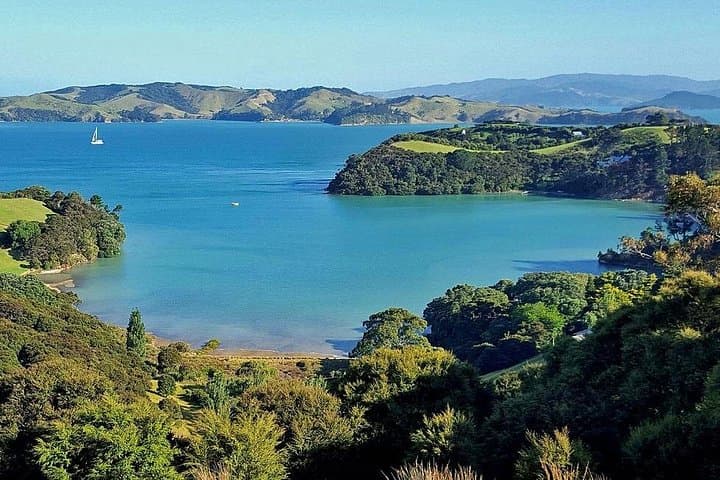
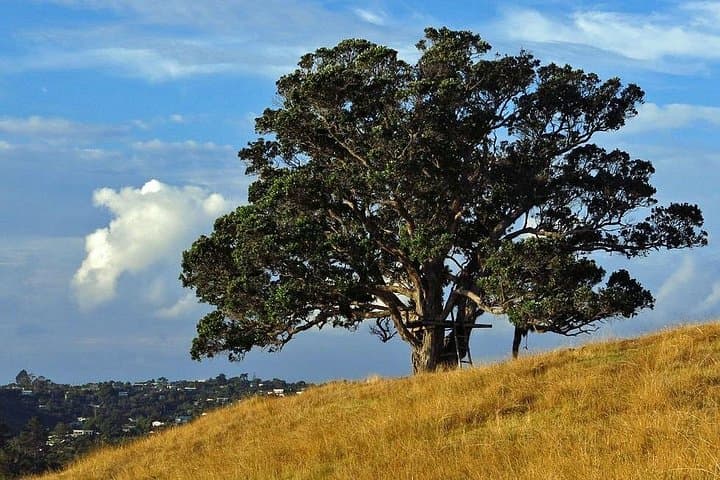
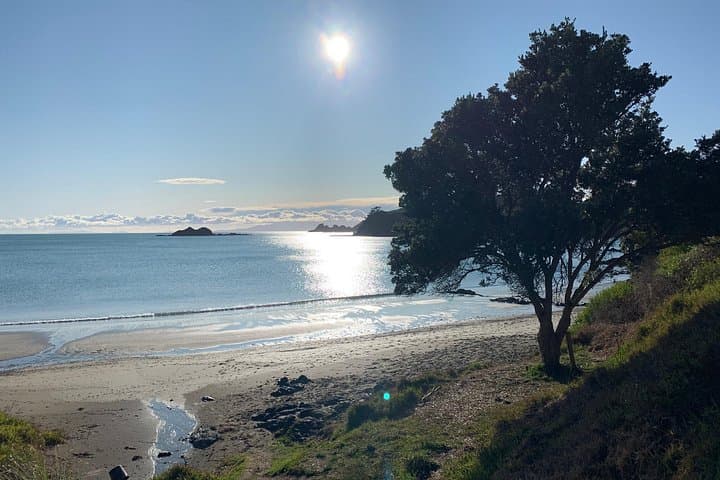
The ferry slips away from Auckland and the Hauraki Gulf widens like a promise. On approach, Waiheke’s low ridgelines and the pale arc of Onetangi Beach resolve into place — scrubby manuka, pockets of wind-bent pōhutukawa and the angular roofs of galleries and vineyards. Over four days a private guide from Terra & Tide becomes less a leader and more a local compass, opening gates to coastal headlands, woodlands and cellar doors with the kind of explanations that make the landscape suddenly legible.
The ferry slips away from Auckland and the Hauraki Gulf widens like a promise. On approach, Waiheke’s low ridgelines and the pale arc of Onetangi Beach resolve into place — scrubby manuka, pockets of wind-bent pōhutukawa and the angular roofs of galleries and vineyards. Over four days a private guide from Terra & Tide becomes less a leader and more a local compass, opening gates to coastal headlands, woodlands and cellar doors with the kind of explanations that make the landscape suddenly legible.
Waiheke was shaped by volcanic flows and long coastal processes. The island’s soils are a patchwork: older greywacke and argillite underlay the north, while pockets of volcanic basalt feed the fertile pockets that now host vineyards. Māori settled here for centuries, and place names and seasonal resources—kaimoana (seafood) and seasonal aruhe (fern root)—still inform local customs. European settlers arrived in the 19th century, planting olives and grapes; today the island balances an artist community, boutique wine producers and active conservation groups restoring coastal scrub.
On day one, a theme walk — from bush to beach — proves how quickly environments change here: dense kanuka gives way to wind-sheared grasslands, then to a shoreline where waves test your ankle and rock pools stare back. The Double Headland Walk offers the island’s classic exposure to wind and water, and quieter options like the Vineyards & Bush Walk thread through working estates where tasting rooms wait at the end of the afternoon.
Guides tailor each day to the group’s appetite: art walks through Oneroa’s galleries, forest therapy in shaded gullies, or deliberate slow walks that focus on bird song and plant ID. Meals are simple and local—packed lunches with fresh-brewed coffee, dinners sourced from island growers and an apartment on Onetangi Beach as a home base. Transfers are included, removing the friction of ferry times and parking.
Practicalities: expect variable weather; a raincoat and layers are essential as sea breezes can cut through even on mild days. Trail surfaces range from compact coastal tracks to pebbled beaches and short ladder-strewn rises — no technical climbing required, but steady footwear matters. Book a morning ferry to meet the guide at Matiatia and let the schedule unfold: mornings for walks, afternoons for wine, and evening for quiet beaches.
This private itinerary is ideal for small groups who want choice and local depth: a mix of natural history, accessible walking and curated cultural stops. Conservation projects dot the route — restore plantings and predator control are visible — and the island rewards slow attention: you’ll come away having seen seabirds riding the thermals, tasted a wine that couldn’t exist anywhere else, and learned the island’s stories at a human scale.