THE ADVENTURE COLLECTIVE® · Independent discovery and booking for outdoor travel

Cover Tokyo’s iconic highlights in one active day: Imperial Palace gardens, Senso-ji, Meiji Jingu, Harajuku, and the Shibuya Crossing with a local guide. Expect 7–8 hours of walking, metro transfers, and city crowds.
Cover Tokyo’s iconic highlights in one active day: Imperial Palace gardens, Senso-ji, Meiji Jingu, Harajuku, and the Shibuya Crossing with a local guide. Expect 7–8 hours of walking, metro transfers, and city crowds.
You meet at the coffee-shop landmark by Kokyo Gaien as the city wakes: sun on the palace moat, commuters threading the crosswalks, and your guide unfolding a map that rearranges the day into walking rhythm.
Verified experiences and guided adventures in the surrounding area.
Operated by Tourist Japan · Tokyo, Tokyo
You meet at the coffee-shop landmark by Kokyo Gaien as the city wakes: sun on the palace moat, commuters threading the crosswalks, and your guide unfolding a map that rearranges the day into walking rhythm.
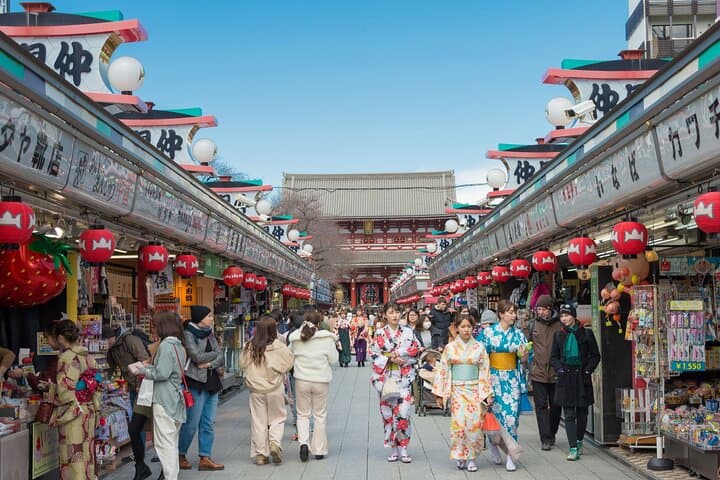
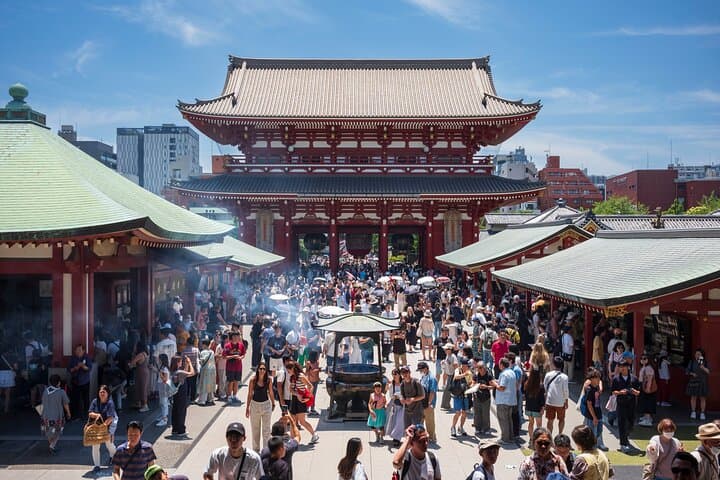
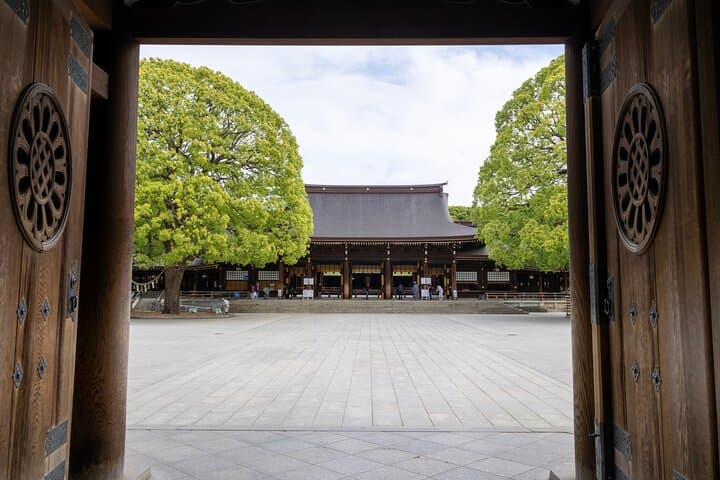
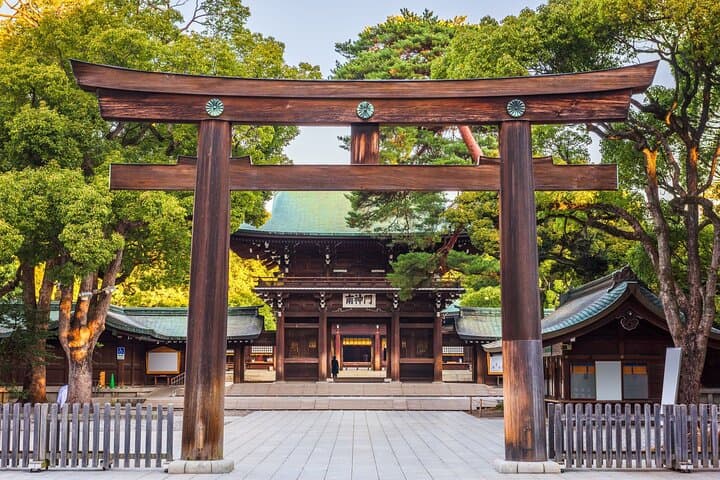
The route moves from the Imperial Palace gardens—an engineered green space set on the Kanto Plain’s river sediments—toward Asakusa’s Senso-ji, where wooden eaves and lanterns remind visitors of Edo’s merchant pulse. Meiji Jingu offers a quieter counterpoint: a Shinto grove that has absorbed Tokyo’s modern noise into its shaded paths. Harajuku and Shibuya close the loop, where pop culture and urban choreography elbow for space on colorful streets and the famous crossing.
History is visible in layers: Tokugawa-era moats and bridges, Meiji-period shrine restorations, and postwar rebuilding that made Tokyo a dense, walkable metropolis. Geology is subtle but present—the flat Kanto Plain means long, even walking with few steep climbs. Local culture alternates ritual (shrine etiquette) and street theater (Harajuku fashion and Shibuya commotion).
Practical guidance: expect 7–8 hours of mostly paved walking, frequent metro hops, and crowds at main sites. Bring comfortable shoes, a prepaid Suica/Pasmo or cash for vending machines, and a compact umbrella—Tokyo weather shifts fast. Plan for restroom breaks at stations and modest shrine donation etiquette (bow, wash hands). For first-time visitors, traveling with a small group and a local guide saves transit time and helps navigate station exits.
This is a city walk that trades elevation for sensory variety: architecture that talks back, streets that invite curiosity, and compact neighborhoods that reward explorations beyond the main stops.
moderate.
7–8 hours.
Moderately fit: comfortable walking for several hours with short metro rides; stairs at some stations.
Meet at the Starbucks by Kokyo Gaien (Wadakura Fountain Park) near Tokyo Station; your confirmation will include a precise address and time.
Some train stations on the route lack full accessibility; contact the operator ahead if you need step-free access or assistance.
This walk covers exterior visits and guided stops; most shrines and streets are free, but any optional paid attractions are not included unless stated.
Tours are led by an English-speaking guide; check the listing to confirm language support for your date.
The Imperial Palace area occupies the former Edo Castle site, central to Tokugawa-era governance; modern Tokyo grew outward from these historic cores after the Meiji Restoration.
High visitor volume stresses delicate shrine grounds and narrow streets—stay on paths, dispose of waste properly, and keep noise low at sacred sites.
Tourist Japan operates guided outdoor trips and adventures with an emphasis on safety, stewardship, and memorable experiences.
You meet at the coffee-shop landmark by Kokyo Gaien as the city wakes: sun on the palace moat, commuters threading the crosswalks, and your guide unfolding a map that rearranges the day into walking rhythm.
You meet at the coffee-shop landmark by Kokyo Gaien as the city wakes: sun on the palace moat, commuters threading the crosswalks, and your guide unfolding a map that rearranges the day into walking rhythm.
The route moves from the Imperial Palace gardens—an engineered green space set on the Kanto Plain’s river sediments—toward Asakusa’s Senso-ji, where wooden eaves and lanterns remind visitors of Edo’s merchant pulse. Meiji Jingu offers a quieter counterpoint: a Shinto grove that has absorbed Tokyo’s modern noise into its shaded paths. Harajuku and Shibuya close the loop, where pop culture and urban choreography elbow for space on colorful streets and the famous crossing.
History is visible in layers: Tokugawa-era moats and bridges, Meiji-period shrine restorations, and postwar rebuilding that made Tokyo a dense, walkable metropolis. Geology is subtle but present—the flat Kanto Plain means long, even walking with few steep climbs. Local culture alternates ritual (shrine etiquette) and street theater (Harajuku fashion and Shibuya commotion).
Practical guidance: expect 7–8 hours of mostly paved walking, frequent metro hops, and crowds at main sites. Bring comfortable shoes, a prepaid Suica/Pasmo or cash for vending machines, and a compact umbrella—Tokyo weather shifts fast. Plan for restroom breaks at stations and modest shrine donation etiquette (bow, wash hands). For first-time visitors, traveling with a small group and a local guide saves transit time and helps navigate station exits.
This is a city walk that trades elevation for sensory variety: architecture that talks back, streets that invite curiosity, and compact neighborhoods that reward explorations beyond the main stops.