THE ADVENTURE COLLECTIVE® · Independent discovery and booking for outdoor travel

Cross winds, sand dunes and centuries of Baltic history—this six-day private tour moves from Vilnius to the Curonian Spit, through Riga and Saaremaa, and finishes in Tallinn. Expect easy walks, short ferries and a guide-driven itinerary focused on natural highlights and cultural landmarks.
Cross winds, sand dunes and centuries of Baltic history—this six-day private tour moves from Vilnius to the Curonian Spit, through Riga and Saaremaa, and finishes in Tallinn. Expect easy walks, short ferries and a guide-driven itinerary focused on natural highlights and cultural landmarks.
Morning light slices across the Baltic as a compact convoy slips out of Vilnius and into a landscape where sand dunes push and rearrange themselves like living maps. The first ferry crossing to the Curonian Spit sets the tone: a narrow ribbon of sand separating lagoon and sea, wind constantly re-sculpting the shore and daring you to climb Parnidis Dune for a wide, bracing view.
Verified experiences and guided adventures in the surrounding area.
Operated by Vad Travel · Vilnius, Vilnius County
Morning light slices across the Baltic as a compact convoy slips out of Vilnius and into a landscape where sand dunes push and rearrange themselves like living maps. The first ferry crossing to the Curonian Spit sets the tone: a narrow ribbon of sand separating lagoon and sea, wind constantly re-sculpting the shore and daring you to climb Parnidis Dune for a wide, bracing view.
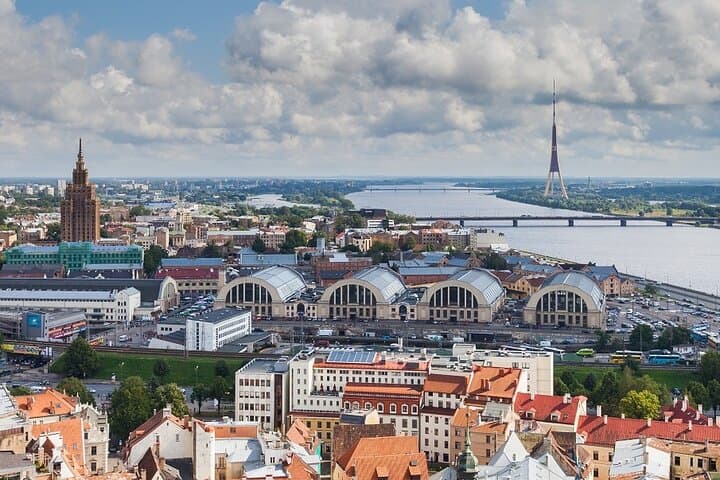
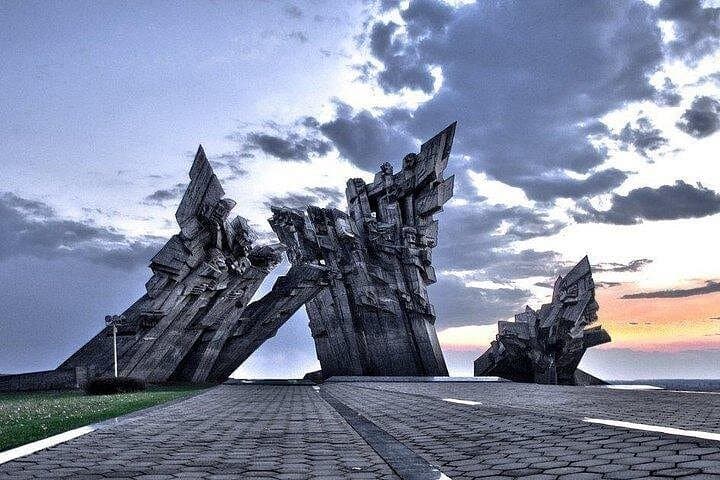
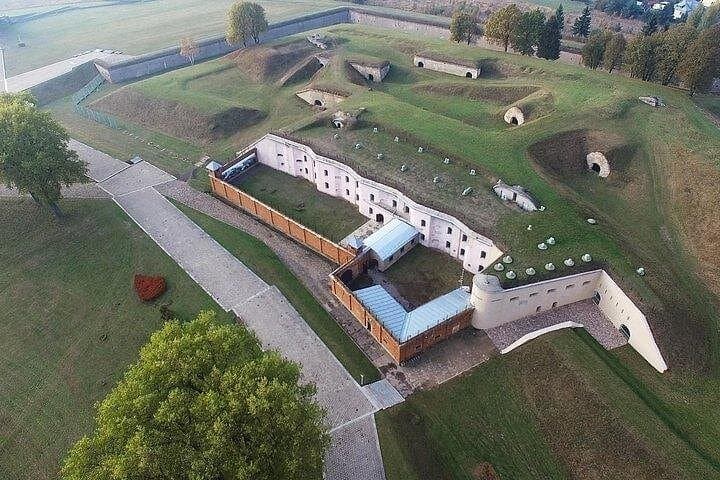
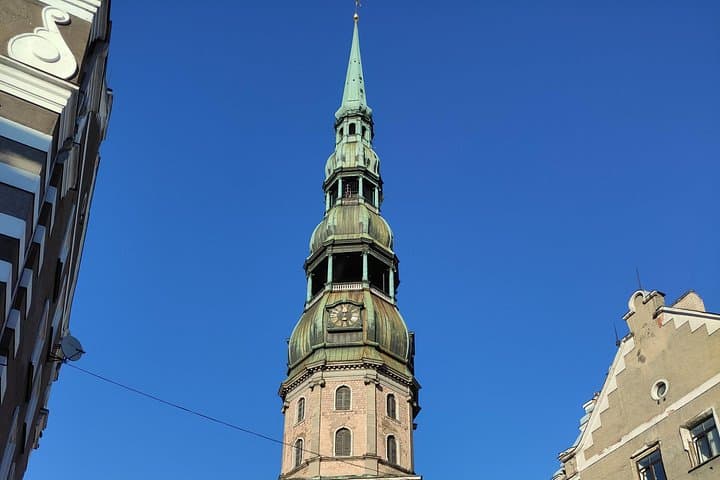
This six-day private itinerary threads history with geology and coastal culture. The Ninth Fort memorial and Hill of Crosses foreground 20th-century stories of occupation and resistance; Rundāle Palace highlights 18th-century Baroque opulence tied to the Duchy of Courland. Saaremaa’s Panga Cliffs and Angla windmills recall glacial forces and rural island life, while Riga and Tallinn present Hanseatic streets, Art Nouveau facades, and lively markets built on centuries of Baltic trade.
Travel is by air-conditioned vehicle with short ferries between mainland and islands, keeping the pace steady but flexible for walks, museum stops, and birdwatching. Expect easy walking on beaches and cobbled streets, intermittent stairs at viewpoints, and occasional windy conditions on exposed coasts.
Practical notes: schedule extra time for ferries and local transfers, carry layered outerwear for sudden coastal wind and rain, and bring comfortable shoes for uneven sand and cobbles. Cash is useful for small island vendors, and advance reservations are recommended for peak summer dates. With a local driver/guide, the route balances relaxed exploration with curated cultural context—ideal for travelers who want coastal nature, history, and small-city charm rolled into a compact, manageable trip.
easy.
6 days.
Suitable for travelers in average physical condition; includes short walks, stairs, and moderate time on feet each day.
The itinerary is rated easy—most activities are short walks, light hikes on dunes, and standing tours; no strenuous climbs are required.
Short ferry crossings (typically 20–60 minutes) are part of the route; timings vary so the guide will confirm schedules during the trip.
Local driver/guides commonly speak English; options for other languages may be available on request but should be confirmed at booking.
This tour is all sales final; cancellations are non-refundable, so verify travel insurance and timing before booking.
Sites like the Hill of Crosses reflect Lithuania’s history of resistance, while Rundāle Palace showcases 18th-century Baroque influence from the Duchy of Courland.
The Curonian Spit is a UNESCO site with fragile dunes—stick to marked trails, avoid trampling vegetation, and follow local guidance to protect bird colonies and nesting sites.
Vad Travel operates guided outdoor trips and adventures with an emphasis on safety, stewardship, and memorable experiences.
Morning light slices across the Baltic as a compact convoy slips out of Vilnius and into a landscape where sand dunes push and rearrange themselves like living maps. The first ferry crossing to the Curonian Spit sets the tone: a narrow ribbon of sand separating lagoon and sea, wind constantly re-sculpting the shore and daring you to climb Parnidis Dune for a wide, bracing view.
Morning light slices across the Baltic as a compact convoy slips out of Vilnius and into a landscape where sand dunes push and rearrange themselves like living maps. The first ferry crossing to the Curonian Spit sets the tone: a narrow ribbon of sand separating lagoon and sea, wind constantly re-sculpting the shore and daring you to climb Parnidis Dune for a wide, bracing view.
This six-day private itinerary threads history with geology and coastal culture. The Ninth Fort memorial and Hill of Crosses foreground 20th-century stories of occupation and resistance; Rundāle Palace highlights 18th-century Baroque opulence tied to the Duchy of Courland. Saaremaa’s Panga Cliffs and Angla windmills recall glacial forces and rural island life, while Riga and Tallinn present Hanseatic streets, Art Nouveau facades, and lively markets built on centuries of Baltic trade.
Travel is by air-conditioned vehicle with short ferries between mainland and islands, keeping the pace steady but flexible for walks, museum stops, and birdwatching. Expect easy walking on beaches and cobbled streets, intermittent stairs at viewpoints, and occasional windy conditions on exposed coasts.
Practical notes: schedule extra time for ferries and local transfers, carry layered outerwear for sudden coastal wind and rain, and bring comfortable shoes for uneven sand and cobbles. Cash is useful for small island vendors, and advance reservations are recommended for peak summer dates. With a local driver/guide, the route balances relaxed exploration with curated cultural context—ideal for travelers who want coastal nature, history, and small-city charm rolled into a compact, manageable trip.