THE ADVENTURE COLLECTIVE® · Independent discovery and booking for outdoor travel

A five-day shared circuit from Lucerne to the Jungfraujoch that pairs lakeside city touring with a high-alpine railway experience. Expect panoramic rail journeys, two nights in Lucerne and Interlaken, and a day above 3,400 m at the 'Top of Europe.'
A five-day shared circuit from Lucerne to the Jungfraujoch that pairs lakeside city touring with a high-alpine railway experience. Expect panoramic rail journeys, two nights in Lucerne and Interlaken, and a day above 3,400 m at the 'Top of Europe.'
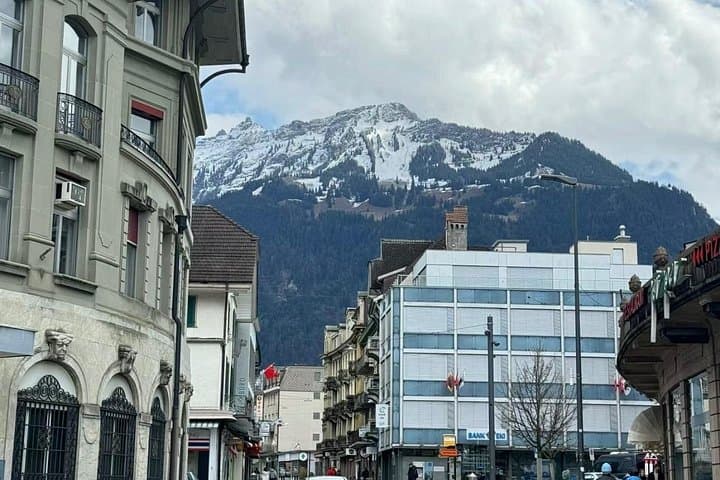
Morning light spills across Lake Lucerne as the tour buses pull away from the quay—a clear, brisk beginning to five days of alpine travel. You move between city streets, glassy lakeshores and the rail benches of the Lucerne–Interlaken Express; each landscape seems to nudge you forward. The mountains here are not passive backdrops but active players: the Aare threads through towns daring you to follow it, and the glaciers on the Jungfrau massif command the skyline.
Verified experiences and guided adventures in the surrounding area.
Operated by Gedi Spass · Lucerne, Canton of Lucerne
Morning light spills across Lake Lucerne as the tour buses pull away from the quay—a clear, brisk beginning to five days of alpine travel. You move between city streets, glassy lakeshores and the rail benches of the Lucerne–Interlaken Express; each landscape seems to nudge you forward. The mountains here are not passive backdrops but active players: the Aare threads through towns daring you to follow it, and the glaciers on the Jungfrau massif command the skyline.
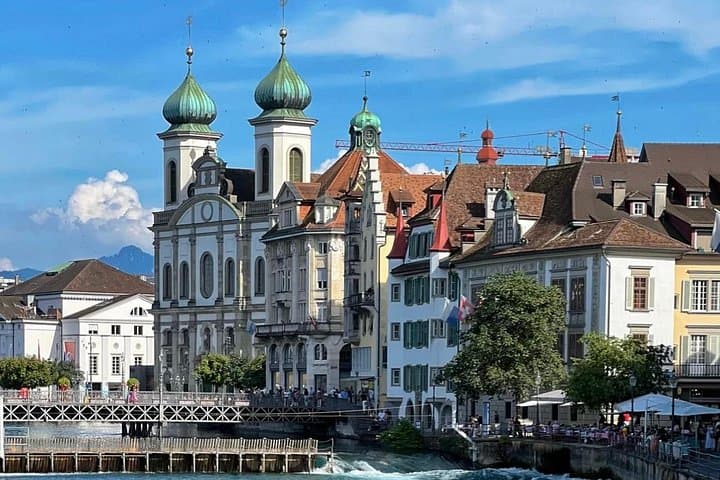
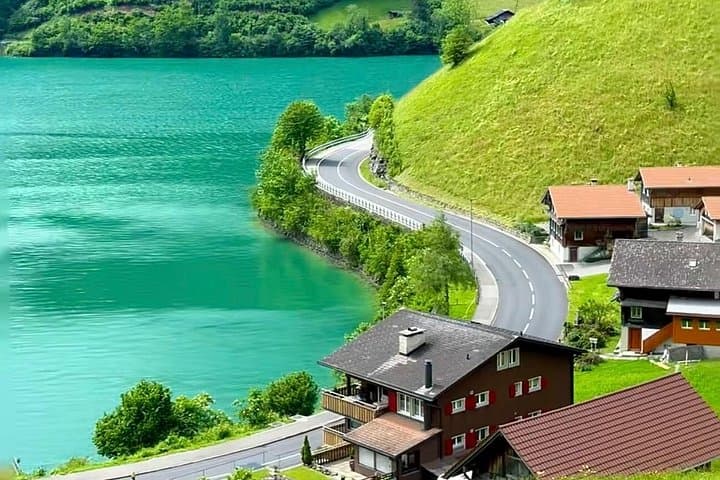
This itinerary threads together Lucerne’s medieval center and lakefront, the panoramic rail corridor through Sarnen and Lungern, and the high-alpine spectacle of the Jungfraujoch at 3,454 m reached by the Jungfrau Railway or via the Eiger Express. The region’s tourism history runs deep—alpine railways built in the late 19th and early 20th centuries opened these peaks to visitors and shaped local economies. Geology here is dramatic: limestone valleys give way to crystalline peaks and remnant glaciers that sculpt cirques and moraines.
Culturally, expect Swiss German villages, cowbells, and small museums that explain mountain farming and railway engineering. Practicalities: accommodations are in 3-star hotels with breakfasts in Lucerne and Interlaken, rail travel is 2nd class as noted, and Jungfraujoch visits typically allow 2–3 hours on site. Pack layered clothing for rapid weather shifts, bring sun protection for high-altitude glare, and allow 24–48 hours to acclimatize if you are sensitive to elevation. The route is accessible to most travelers but plan for early departures and some brisk walking in towns and stations.
easy.
5 days.
Suitable for average travelers able to walk moderate distances and manage stairs at stations; no strenuous hiking required.
The tour is suitable for most fitness levels; it involves city walking and short walks at viewpoints but no technical hiking.
Some visitors experience mild shortness of breath or headache at 3,454 m—move slowly, hydrate, and avoid heavy exertion on arrival.
Yes—2 nights in Lucerne and 2 nights in Interlaken in 3-star hotels with breakfast are included, plus rail segments listed in the itinerary.
Full refund is available if you cancel at least 24 hours before departure; cancellations within 24 hours are non-refundable per the policy.
The Jungfrau Railway and related alpine lines, completed in the early 20th century, transformed mountain access and anchored regional tourism industries.
The Swiss Alps are managed with strict environmental protections; stick to marked paths, minimize waste, and respect grazing areas and wildlife.
Gedi Spass operates guided outdoor trips and adventures with an emphasis on safety, stewardship, and memorable experiences.
Morning light spills across Lake Lucerne as the tour buses pull away from the quay—a clear, brisk beginning to five days of alpine travel. You move between city streets, glassy lakeshores and the rail benches of the Lucerne–Interlaken Express; each landscape seems to nudge you forward. The mountains here are not passive backdrops but active players: the Aare threads through towns daring you to follow it, and the glaciers on the Jungfrau massif command the skyline.
Morning light spills across Lake Lucerne as the tour buses pull away from the quay—a clear, brisk beginning to five days of alpine travel. You move between city streets, glassy lakeshores and the rail benches of the Lucerne–Interlaken Express; each landscape seems to nudge you forward. The mountains here are not passive backdrops but active players: the Aare threads through towns daring you to follow it, and the glaciers on the Jungfrau massif command the skyline.
This itinerary threads together Lucerne’s medieval center and lakefront, the panoramic rail corridor through Sarnen and Lungern, and the high-alpine spectacle of the Jungfraujoch at 3,454 m reached by the Jungfrau Railway or via the Eiger Express. The region’s tourism history runs deep—alpine railways built in the late 19th and early 20th centuries opened these peaks to visitors and shaped local economies. Geology here is dramatic: limestone valleys give way to crystalline peaks and remnant glaciers that sculpt cirques and moraines.
Culturally, expect Swiss German villages, cowbells, and small museums that explain mountain farming and railway engineering. Practicalities: accommodations are in 3-star hotels with breakfasts in Lucerne and Interlaken, rail travel is 2nd class as noted, and Jungfraujoch visits typically allow 2–3 hours on site. Pack layered clothing for rapid weather shifts, bring sun protection for high-altitude glare, and allow 24–48 hours to acclimatize if you are sensitive to elevation. The route is accessible to most travelers but plan for early departures and some brisk walking in towns and stations.