THE ADVENTURE COLLECTIVE® · Independent discovery and booking for outdoor travel

Pack caves, castles, and a gliding boat ride into one long day: ride the subterranean train at Postojna, inspect Predjama Castle embedded in rock, then lose yourself in Lake Bled’s views. Practical tips and what to expect from a 10‑hour loop from Ljubljana.
Pack caves, castles, and a gliding boat ride into one long day: ride the subterranean train at Postojna, inspect Predjama Castle embedded in rock, then lose yourself in Lake Bled’s views. Practical tips and what to expect from a 10‑hour loop from Ljubljana.
You step off the coach in front of Hotel Lev as the city shrinks behind you and the karst landscape opens — limestone ridges, pine-fringed valleys, and the faint echo of dripping water. The day moves from an underground train ride into Postojna Cave to a pletna boat gliding across glassy Lake Bled, each scene a different rhythm of place.
Verified experiences and guided adventures in the surrounding area.
Operated by Day Trips Slovenia · Ljubljana, Central Slovenia
You step off the coach in front of Hotel Lev as the city shrinks behind you and the karst landscape opens — limestone ridges, pine-fringed valleys, and the faint echo of dripping water. The day moves from an underground train ride into Postojna Cave to a pletna boat gliding across glassy Lake Bled, each scene a different rhythm of place.
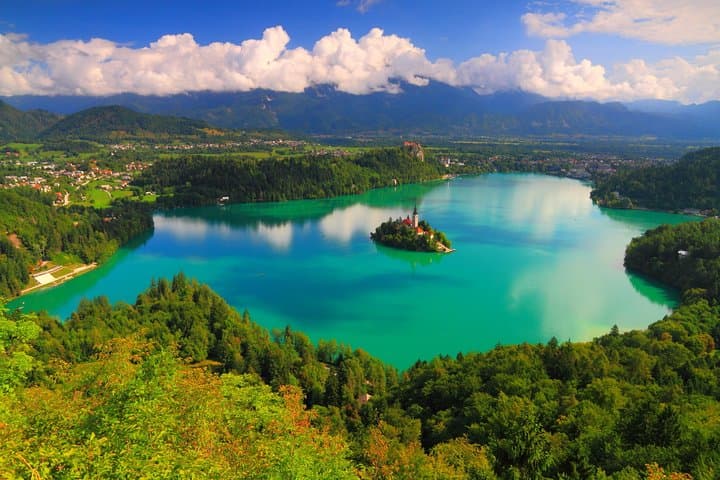
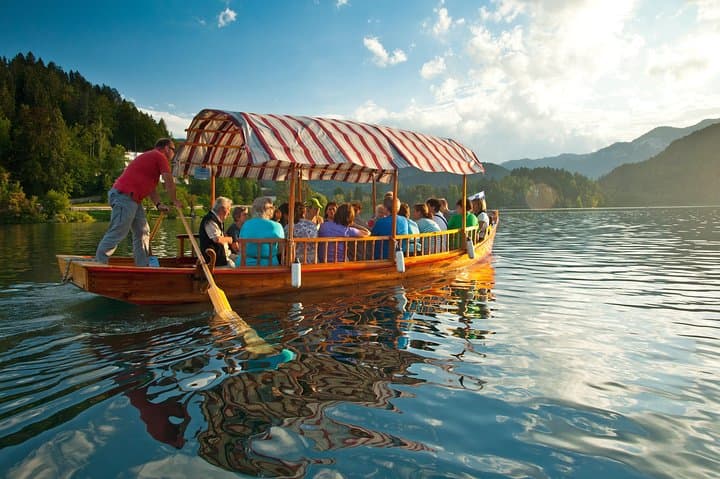
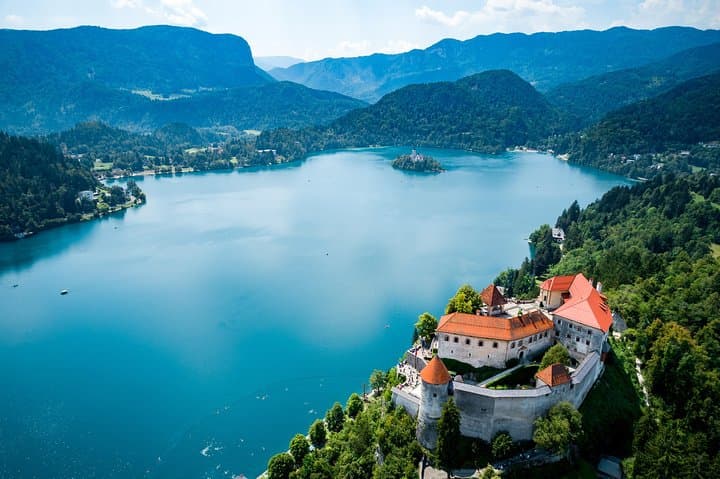
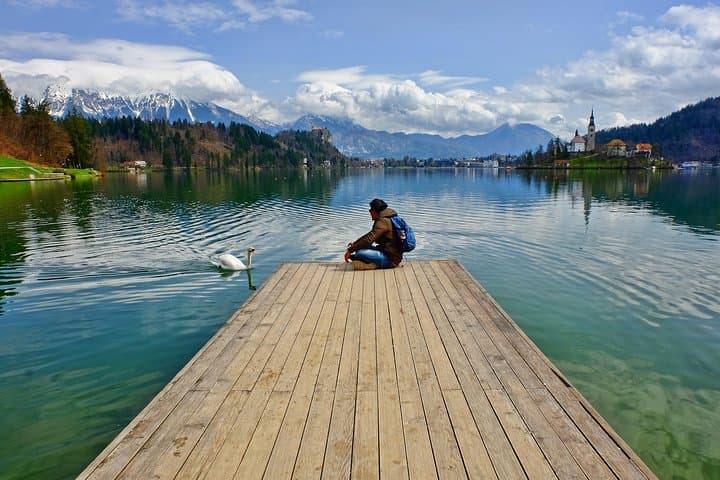
Postojna Cave is a 25 km limestone system famous for its subterranean train and a 1.5 km walking loop through cathedral-sized halls and delicate dripstone formations; its galleries have drawn visitors since the 19th century and even host the endemic olm (Proteus). Nearby Predjama Castle dramatically perches in a cliff mouth — a medieval stronghold integrated into a natural cave and listed by Guinness for its unique setting. Lake Bled offers a more pastoral counterpoint: a traditional pletna boat takes you to the island and its Baroque church while Bled Castle, guarding a terrace above the lake, recounts more than a thousand years of history.
Practical guidance: the full itinerary runs about 10 hours and includes several stair-heavy sites and uneven surfaces — moderate fitness helps. Admissions are usually separate; bring cash or card and book skip-the-line tickets where possible. Wear sturdy shoes for cave floors and castle ramps, carry layers for temperature shifts (caves are cool year-round), and plan on busy summer weekends. Hydrate, use a small daypack for valuables, and allow time for short hikes or viewpoints around Bled if you want quieter panoramas at the end of the day.
moderate.
10 hours.
Moderate fitness recommended — ability to walk 1–2 miles at sites, manage stairs and uneven terrain.
No — the tour price typically covers transportation and a guide; admissions to attractions are usually separate and should be purchased in advance when possible.
Not recommended for people with serious spinal or cardiovascular conditions; caves and castles have stairs and uneven surfaces and the tour notes accessibility limitations.
The guided walking tour covers about 1.5 km (0.9 mi) through main halls after the subterranean train portion, on mostly even but sometimes damp pathways.
Photography is generally allowed in many areas, but flash may be restricted inside delicate cave chambers; follow your guide’s instructions to protect formations and wildlife like the olm.
Postojna’s cave tourism dates back to the 19th century and Predjama Castle is unique for being built into a cave mouth, combining natural karst geology with medieval architecture.
The karst landscape and cave microclimate are fragile; stay on marked paths, avoid touching formations, and follow guides to minimize impact.
Day Trips Slovenia operates guided outdoor trips and adventures with an emphasis on safety, stewardship, and memorable experiences.
You step off the coach in front of Hotel Lev as the city shrinks behind you and the karst landscape opens — limestone ridges, pine-fringed valleys, and the faint echo of dripping water. The day moves from an underground train ride into Postojna Cave to a pletna boat gliding across glassy Lake Bled, each scene a different rhythm of place.
You step off the coach in front of Hotel Lev as the city shrinks behind you and the karst landscape opens — limestone ridges, pine-fringed valleys, and the faint echo of dripping water. The day moves from an underground train ride into Postojna Cave to a pletna boat gliding across glassy Lake Bled, each scene a different rhythm of place.
Postojna Cave is a 25 km limestone system famous for its subterranean train and a 1.5 km walking loop through cathedral-sized halls and delicate dripstone formations; its galleries have drawn visitors since the 19th century and even host the endemic olm (Proteus). Nearby Predjama Castle dramatically perches in a cliff mouth — a medieval stronghold integrated into a natural cave and listed by Guinness for its unique setting. Lake Bled offers a more pastoral counterpoint: a traditional pletna boat takes you to the island and its Baroque church while Bled Castle, guarding a terrace above the lake, recounts more than a thousand years of history.
Practical guidance: the full itinerary runs about 10 hours and includes several stair-heavy sites and uneven surfaces — moderate fitness helps. Admissions are usually separate; bring cash or card and book skip-the-line tickets where possible. Wear sturdy shoes for cave floors and castle ramps, carry layers for temperature shifts (caves are cool year-round), and plan on busy summer weekends. Hydrate, use a small daypack for valuables, and allow time for short hikes or viewpoints around Bled if you want quieter panoramas at the end of the day.