THE ADVENTURE COLLECTIVE® · Independent discovery and booking for outdoor travel

Walk Cidade Velha’s colonial streets, learn Cape Verdean cooking with a local family, then unwind on Tarrafal’s palm‑fringed beach. This full‑day island loop pairs history, hands‑on culture and a mountain drive through Serra Malagueta.
Walk Cidade Velha’s colonial streets, learn Cape Verdean cooking with a local family, then unwind on Tarrafal’s palm‑fringed beach. This full‑day island loop pairs history, hands‑on culture and a mountain drive through Serra Malagueta.
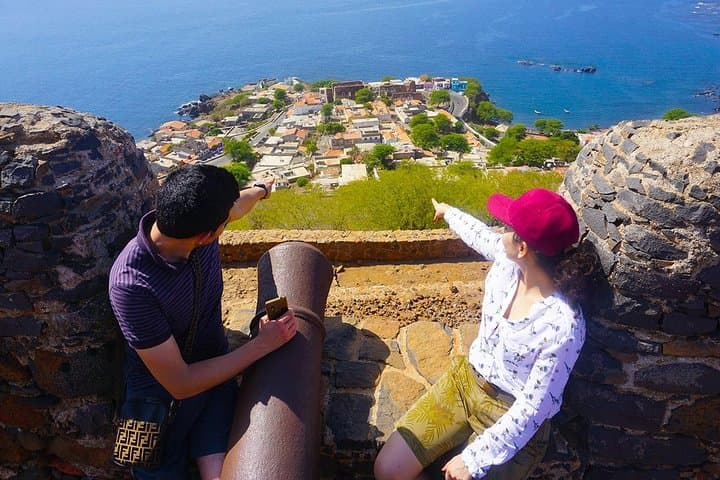
The minivan eases out of Praia before dawn, the Atlantic at your back and a scatter of colonial roofs shrinking behind you. By the time you step onto the cobbled lanes of Cidade Velha, salt air and centuries-old stone give the town a low, steady pulse — forts that watched the horizon, a pillory that remembers commerce in human lives, and fishermen repairing nets where the sea keeps time.
Verified experiences and guided adventures in the surrounding area.
Operated by Bu Country Tours · Praia, Santiago
The minivan eases out of Praia before dawn, the Atlantic at your back and a scatter of colonial roofs shrinking behind you. By the time you step onto the cobbled lanes of Cidade Velha, salt air and centuries-old stone give the town a low, steady pulse — forts that watched the horizon, a pillory that remembers commerce in human lives, and fishermen repairing nets where the sea keeps time.
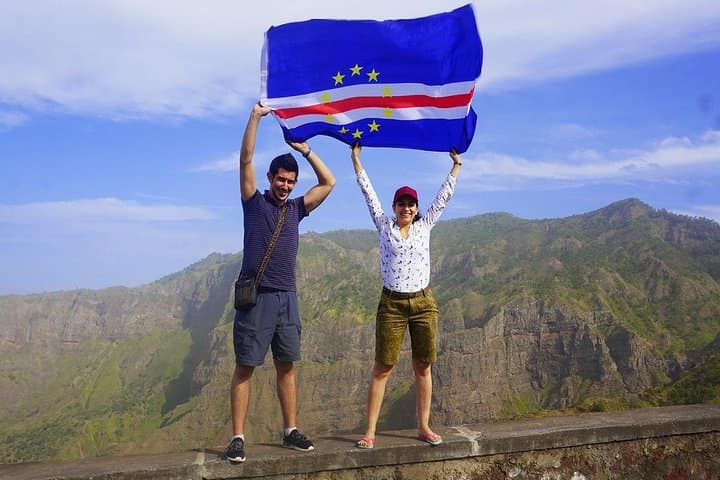
Cidade Velha is Cape Verde’s oldest European settlement and a UNESCO site because it condenses colonial, maritime and slave-trade history into a compact waterfront. Geologically, Santiago’s backbone rises quickly from the coast; volcanic ridgelines and wind-sculpted valleys frame villages like Picos and Assomada as you climb toward Serra Malagueta Natural Park. Culture here is tactile: meetings with fishermen, a cooking workshop in a family home where corn-based cuscuz and fidjós are taught by hand, and the market rhythm that peaks on Wednesdays and Saturdays.
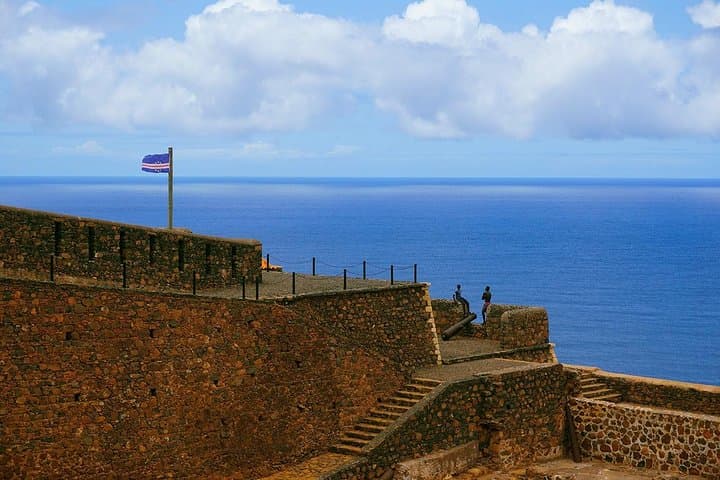
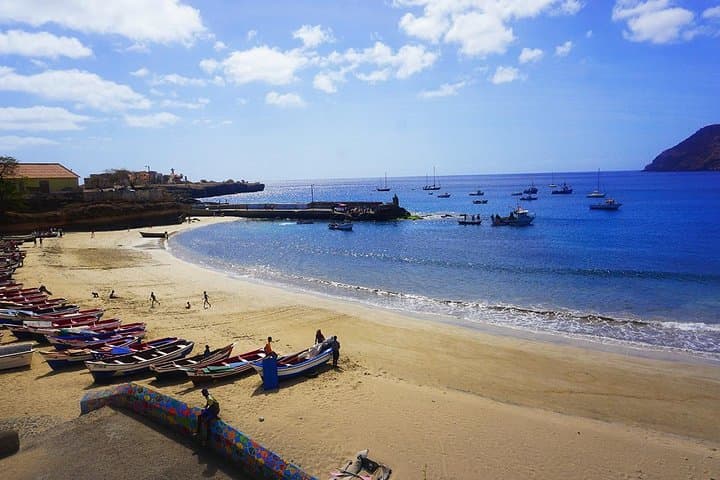
Practical guidance: expect a full 6‑hour day with a mix of walking on rough cobbles and short drives on mountain roads. The São Filipe Fortress commonly charges a small entry fee and can be closed on holidays. Bring sturdy shoes for the ruins and a hat, swimwear and towel for Tarrafal’s sheltered bay, where palms shade white sand and the Atlantic tempts you to cool off. Hydrate early, carry cash for small purchases, and plan for sun — midday can be intense. The tour balances history and hands-on local life with a relaxed beach finish, making it a compact introduction to Santiago’s landscape and culture.
moderate.
6 hours.
Participants should be comfortable walking on uneven surfaces and able to climb short inclines; moderate fitness required.
No — the fortress typically charges a small entrance fee (about €5) payable on site and may be closed on public holidays.
Yes — pickup and drop‑off at accommodations in Praia or Cidade Velha are included; confirm your pickup point when booking.
Inform the operator of allergies or dietary restrictions ahead of time; the workshop uses local ingredients and can often adapt dishes.
The tour involves walking on uneven cobbles and short inclines; it's best for those with moderate mobility. Not recommended for travelers with serious spinal or heart conditions or pregnant travelers.
Cidade Velha was the first European colonial outpost in Sub‑Saharan Africa and an important Atlantic slave‑trade port; its ruins and pillory chronicle that legacy.
Respect marine life at Tarrafal by using reef‑safe sunscreen and avoiding anchoring on coral; support local families and vendors to keep tourism benefits local.
Bu Country Tours operates guided outdoor trips and adventures with an emphasis on safety, stewardship, and memorable experiences.
The minivan eases out of Praia before dawn, the Atlantic at your back and a scatter of colonial roofs shrinking behind you. By the time you step onto the cobbled lanes of Cidade Velha, salt air and centuries-old stone give the town a low, steady pulse — forts that watched the horizon, a pillory that remembers commerce in human lives, and fishermen repairing nets where the sea keeps time.
The minivan eases out of Praia before dawn, the Atlantic at your back and a scatter of colonial roofs shrinking behind you. By the time you step onto the cobbled lanes of Cidade Velha, salt air and centuries-old stone give the town a low, steady pulse — forts that watched the horizon, a pillory that remembers commerce in human lives, and fishermen repairing nets where the sea keeps time.
Cidade Velha is Cape Verde’s oldest European settlement and a UNESCO site because it condenses colonial, maritime and slave-trade history into a compact waterfront. Geologically, Santiago’s backbone rises quickly from the coast; volcanic ridgelines and wind-sculpted valleys frame villages like Picos and Assomada as you climb toward Serra Malagueta Natural Park. Culture here is tactile: meetings with fishermen, a cooking workshop in a family home where corn-based cuscuz and fidjós are taught by hand, and the market rhythm that peaks on Wednesdays and Saturdays.
Practical guidance: expect a full 6‑hour day with a mix of walking on rough cobbles and short drives on mountain roads. The São Filipe Fortress commonly charges a small entry fee and can be closed on holidays. Bring sturdy shoes for the ruins and a hat, swimwear and towel for Tarrafal’s sheltered bay, where palms shade white sand and the Atlantic tempts you to cool off. Hydrate early, carry cash for small purchases, and plan for sun — midday can be intense. The tour balances history and hands-on local life with a relaxed beach finish, making it a compact introduction to Santiago’s landscape and culture.