THE ADVENTURE COLLECTIVE® · Independent discovery and booking for outdoor travel

Explore Santiago’s plazas, sip at Concha y Toro, and trace the Pacific coast to Valparaíso and Viña del Mar over four compact days. This guided loop combines cultural sights, vineyard tastings and coastal viewpoints with practical logistics included.
Explore Santiago’s plazas, sip at Concha y Toro, and trace the Pacific coast to Valparaíso and Viña del Mar over four compact days. This guided loop combines cultural sights, vineyard tastings and coastal viewpoints with practical logistics included.
Morning light pours across the wide Plaza de Armas as a minivan eases through Santiago’s grid—the city unfurls from the Mapocho River toward the jagged silhouette of the Andes.
Verified experiences and guided adventures in the surrounding area.
Operated by Tangol · Santiago, Santiago Metropolitan Region
Morning light pours across the wide Plaza de Armas as a minivan eases through Santiago’s grid—the city unfurls from the Mapocho River toward the jagged silhouette of the Andes.
Over four days visitors move from colonial stone and colorful street art to the rolling rows of Concha y Toro and the wind-carved coast at Valparaíso and Viña del Mar. The route balances urban walking with short drives through Casablanca’s wine valleys and the curving Pacific shoreline.
Santiago was founded in 1541 and grew around plazas, palaces and markets; Valparaíso later rose as Chile’s 19th-century port, its funiculars and painted alleys shaped by maritime trade. Geologically the region sits at the interface of the Andean uplift and coastal ranges—watch for layers of volcanic rock along coastal cliffs and the gravelly soils that favor Sauvignon Blanc in Casablanca.
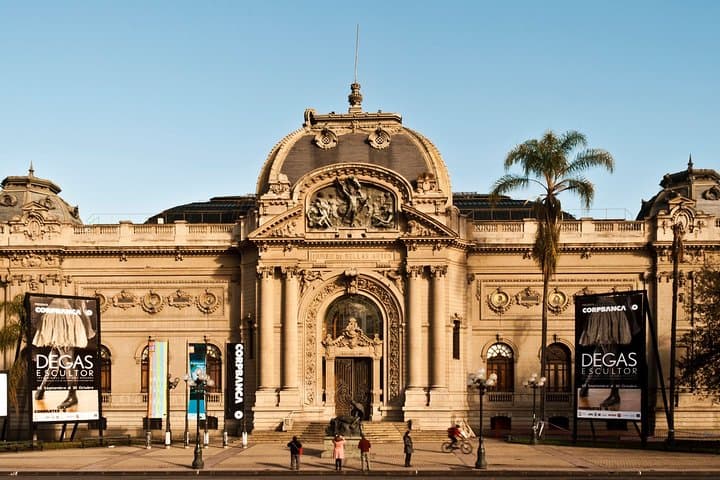
Expect a cultural mix: museums and political landmarks in Santiago, family-run wineries in Pirque, and mural-strewn hills in Valparaíso. Local guides explain wine production at Concha y Toro and point out where neighborhoods recovered after earthquakes.
Practical guidance: pack comfortable walking shoes and a windproof layer—coastal gusts can be sharp even on sunny days. Bring ID for wine tastings (legal drinking age 18). Daily walking is moderate: cobbled streets, short staircases and viewpoints reached by funiculars. Confirm pickup times and airport transfers in advance, and leave room in your itinerary for traffic returning to Santiago. Hydrate in the dry valley air, carry small bills for tips and street vendors, and book Concha y Toro ahead during high season to secure tasting slots.
easy.
4 days.
Appropriate for travelers in average physical condition; expect several hours of light walking each day with stairs and uneven cobbles.
Visa requirements depend on your nationality—check Chile’s government site and ensure your passport is valid for your travel dates.
Winery admission and a tasting are included as listed, but specific tasting selections can vary; notify guides of preferences or restrictions in advance.
Three breakfasts and transfers are included; lunches and most dinners are not included, giving time to explore local restaurants.
The program offers excursions in Spanish and English—confirm language availability when booking to ensure an English-speaking guide if needed.
Santiago was established in 1541; nearby Valparaíso developed as Chile’s principal Pacific port in the 19th century, shaping its eclectic neighborhoods and funiculars.
Central Chile faces periodic drought—minimize single-use plastics, respect vineyard property during visits, and support local guide operators who practice responsible tourism.
Tangol operates guided outdoor trips and adventures with an emphasis on safety, stewardship, and memorable experiences.
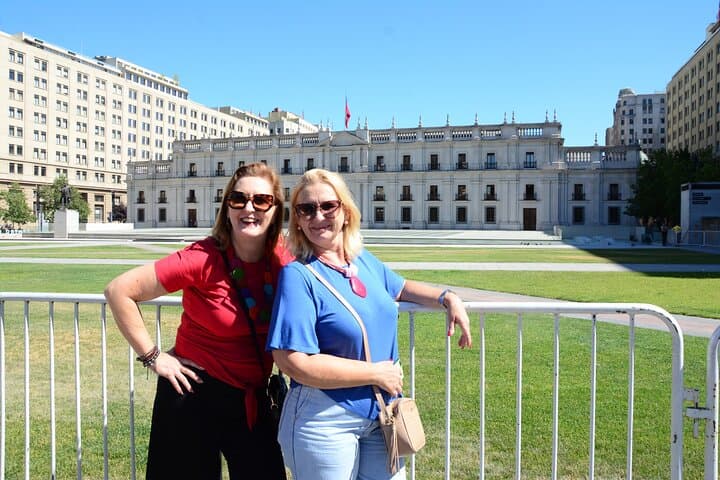
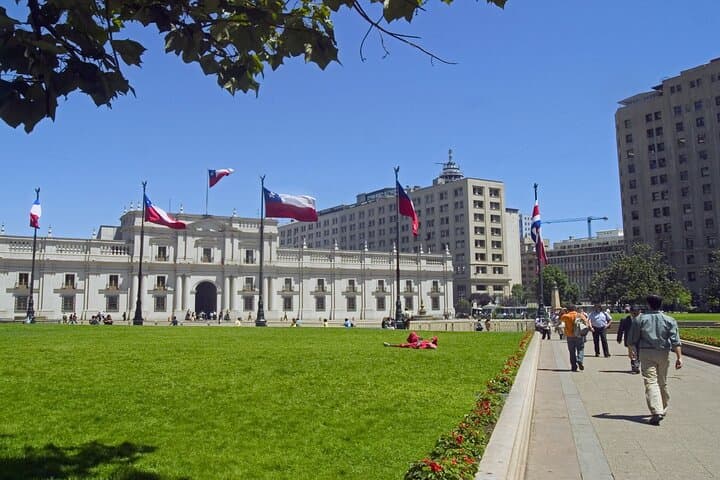
Morning light pours across the wide Plaza de Armas as a minivan eases through Santiago’s grid—the city unfurls from the Mapocho River toward the jagged silhouette of the Andes.
Morning light pours across the wide Plaza de Armas as a minivan eases through Santiago’s grid—the city unfurls from the Mapocho River toward the jagged silhouette of the Andes.
Over four days visitors move from colonial stone and colorful street art to the rolling rows of Concha y Toro and the wind-carved coast at Valparaíso and Viña del Mar. The route balances urban walking with short drives through Casablanca’s wine valleys and the curving Pacific shoreline.
Santiago was founded in 1541 and grew around plazas, palaces and markets; Valparaíso later rose as Chile’s 19th-century port, its funiculars and painted alleys shaped by maritime trade. Geologically the region sits at the interface of the Andean uplift and coastal ranges—watch for layers of volcanic rock along coastal cliffs and the gravelly soils that favor Sauvignon Blanc in Casablanca.
Expect a cultural mix: museums and political landmarks in Santiago, family-run wineries in Pirque, and mural-strewn hills in Valparaíso. Local guides explain wine production at Concha y Toro and point out where neighborhoods recovered after earthquakes.
Practical guidance: pack comfortable walking shoes and a windproof layer—coastal gusts can be sharp even on sunny days. Bring ID for wine tastings (legal drinking age 18). Daily walking is moderate: cobbled streets, short staircases and viewpoints reached by funiculars. Confirm pickup times and airport transfers in advance, and leave room in your itinerary for traffic returning to Santiago. Hydrate in the dry valley air, carry small bills for tips and street vendors, and book Concha y Toro ahead during high season to secure tasting slots.