THE ADVENTURE COLLECTIVE® · Independent discovery and booking for outdoor travel

Ten days from Bucharest across Transylvania, Bukovina and the Făgăraș mountains — a compact small-group tour that pairs UNESCO sites with dramatic mountain drives. Expect castles, painted monasteries, and a mix of short walks and scenic road travel.
Ten days from Bucharest across Transylvania, Bukovina and the Făgăraș mountains — a compact small-group tour that pairs UNESCO sites with dramatic mountain drives. Expect castles, painted monasteries, and a mix of short walks and scenic road travel.
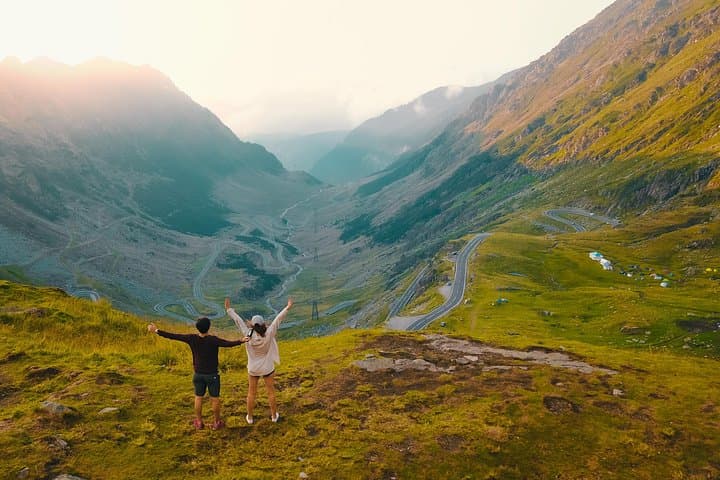
You step out of Bucharest into a small-group van as the city lights thin and the Carpathians rise like a dark wall ahead. Roads curl through villages where slate roofs and fortified church towers puncture the skyline; on clear days the Transfagarasan climbs to 2,042 m and rewards drivers with serrated ridgelines and alpine pastures.
Verified experiences and guided adventures in the surrounding area.
Operated by Rolandia · Bucharest, Bucharest
You step out of Bucharest into a small-group van as the city lights thin and the Carpathians rise like a dark wall ahead. Roads curl through villages where slate roofs and fortified church towers puncture the skyline; on clear days the Transfagarasan climbs to 2,042 m and rewards drivers with serrated ridgelines and alpine pastures.
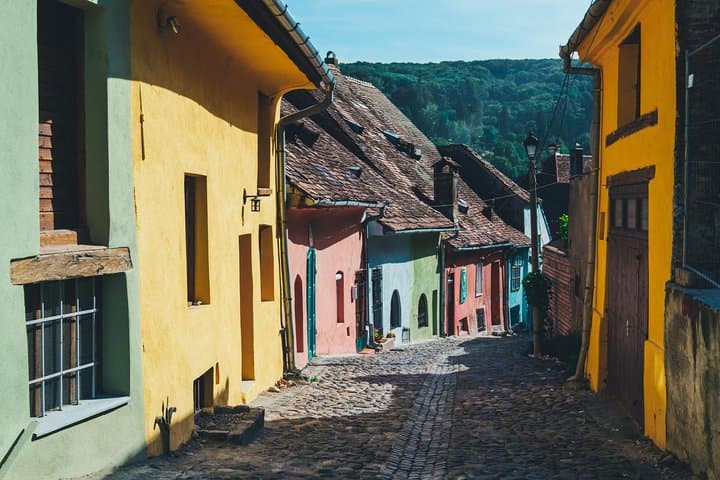
This 10-day loop threads historical Romania: Wallachian monasteries and royal tombs at Curtea de Argeș; Transylvania’s Saxon villages and the living citadel of Sighişoara; Bukovina’s UNESCO painted monasteries whose frescoes survived winter and war. Geology is visible in the red-hued landslide that formed Lacul Roșu and in the salt-carved caverns of Turda, a 13-level mine repurposed into an underground leisure complex.
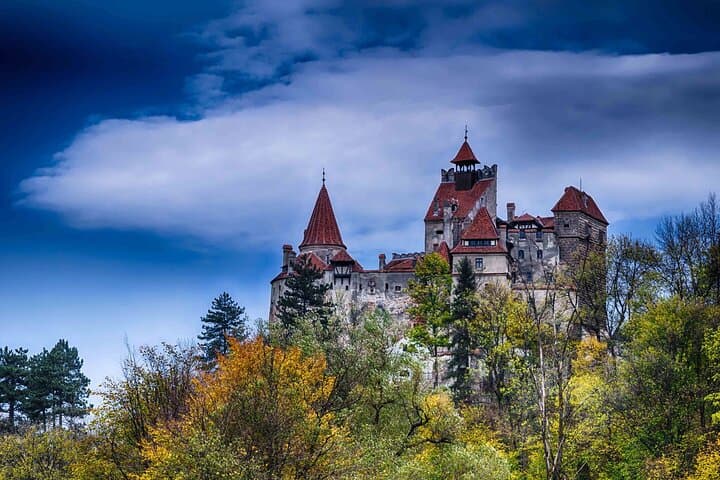
Culturally, expect layered influences — Ottoman, Austro-Hungarian, and Romanian peasant traditions — expressed in fortified churches, wooden farms, and slow food kitchens. Guides point out Peles Castle’s Germanic revival architecture and Bran’s tight staircases while sharing the folklore that shaped local identity.
Practical notes: days are driven and walkable—plan for multiple short tours rather than long hikes. Bring a daypack, waterproof layers, and modest clothing for monastery visits. Currency is Romanian leu (RON); card acceptance varies in villages. Summer brings festivals and long light; shoulder seasons cut crowds but can be chilly in mountain passes. Expect comfortable hotels, daily breakfasts, and a few walks on cobbled streets or short trails. Hydrate, carry photocopies of documents, and leave time to step off the beaten route—some of Romania’s best moments arrive between stops.
moderate.
10 days.
Suitable for travelers with moderate fitness: mostly short walks, many drives, and some stair-climbing at historic sites.
Moderate fitness is enough—most days include short guided walks, castle staircases and getting on/off the vehicle rather than long hikes.
The tour lists entrance fees as included for many sites; confirm specific attractions with the operator at booking.
Transportation between cities is provided in a modern vehicle with airport pickup and drop-off included on specified schedules.
EU citizens need only ID; most non-EU travelers need a passport. Check current visa requirements and routine vaccinations before travel.
This route threads Wallachian, Saxon and monastic histories — from medieval fortified churches built by German colonists to Bukovina’s painted monasteries begun in the 15th century.
Follow local guidelines at fragile monastery frescoes and in mountain passes; support village economies by buying local crafts and minimizing single-use plastics.
Rolandia operates guided outdoor trips and adventures with an emphasis on safety, stewardship, and memorable experiences.
You step out of Bucharest into a small-group van as the city lights thin and the Carpathians rise like a dark wall ahead. Roads curl through villages where slate roofs and fortified church towers puncture the skyline; on clear days the Transfagarasan climbs to 2,042 m and rewards drivers with serrated ridgelines and alpine pastures.
You step out of Bucharest into a small-group van as the city lights thin and the Carpathians rise like a dark wall ahead. Roads curl through villages where slate roofs and fortified church towers puncture the skyline; on clear days the Transfagarasan climbs to 2,042 m and rewards drivers with serrated ridgelines and alpine pastures.
This 10-day loop threads historical Romania: Wallachian monasteries and royal tombs at Curtea de Argeș; Transylvania’s Saxon villages and the living citadel of Sighişoara; Bukovina’s UNESCO painted monasteries whose frescoes survived winter and war. Geology is visible in the red-hued landslide that formed Lacul Roșu and in the salt-carved caverns of Turda, a 13-level mine repurposed into an underground leisure complex.
Culturally, expect layered influences — Ottoman, Austro-Hungarian, and Romanian peasant traditions — expressed in fortified churches, wooden farms, and slow food kitchens. Guides point out Peles Castle’s Germanic revival architecture and Bran’s tight staircases while sharing the folklore that shaped local identity.
Practical notes: days are driven and walkable—plan for multiple short tours rather than long hikes. Bring a daypack, waterproof layers, and modest clothing for monastery visits. Currency is Romanian leu (RON); card acceptance varies in villages. Summer brings festivals and long light; shoulder seasons cut crowds but can be chilly in mountain passes. Expect comfortable hotels, daily breakfasts, and a few walks on cobbled streets or short trails. Hydrate, carry photocopies of documents, and leave time to step off the beaten route—some of Romania’s best moments arrive between stops.