THE ADVENTURE COLLECTIVE® · Independent discovery and booking for outdoor travel

A compact multi-day trek from Puebla de Lillo that mixes the carved Cares Gorge, high alpine lakes and peaks like Pico Ausente. Expect varied terrain, limestone panoramas, and authentic mountain villages over 4–6 days of steady walking.
A compact multi-day trek from Puebla de Lillo that mixes the carved Cares Gorge, high alpine lakes and peaks like Pico Ausente. Expect varied terrain, limestone panoramas, and authentic mountain villages over 4–6 days of steady walking.
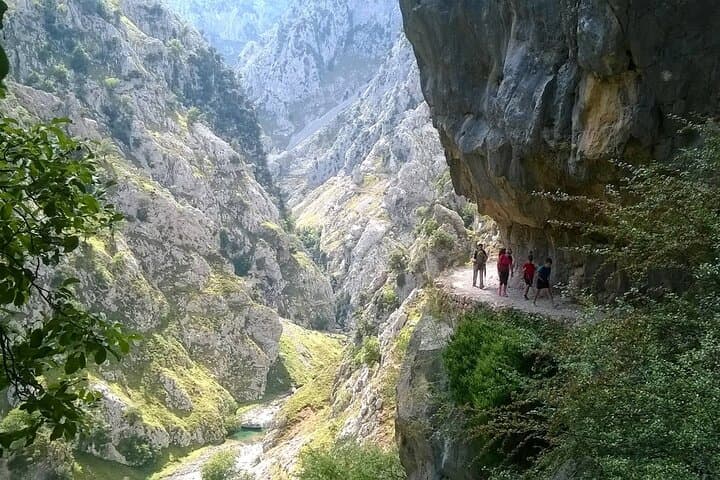
You step out of the minivan into crisp mountain air, limestone cliffs folding upward like pages in a geological atlas. Trails thread through silver-barked birch and beech, and the Cares gorge narrows ahead, the river daring you to follow its carved route through the massif.
Verified experiences and guided adventures in the surrounding area.
Operated by Pedro Robalo · Puebla de Lillo, León
You step out of the minivan into crisp mountain air, limestone cliffs folding upward like pages in a geological atlas. Trails thread through silver-barked birch and beech, and the Cares gorge narrows ahead, the river daring you to follow its carved route through the massif.
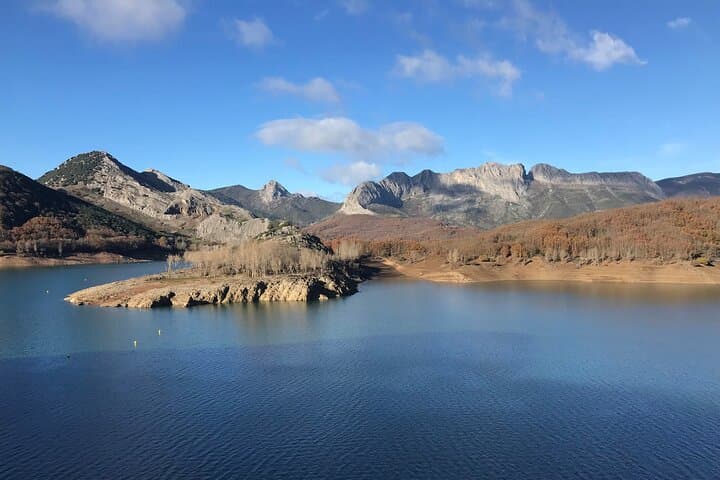
This trek traces lesser-used valleys and classic highlights across the western Picos de Europa and neighboring Cantabrian slopes. The ranges formed by ancient seabeds and later uplift display sheer calcareous faces, karst plateaus and glacial cirques; villages like Puebla de Lillo and Soto de Sajambre show rural mountain culture born of shepherding and seasonal transhumance.
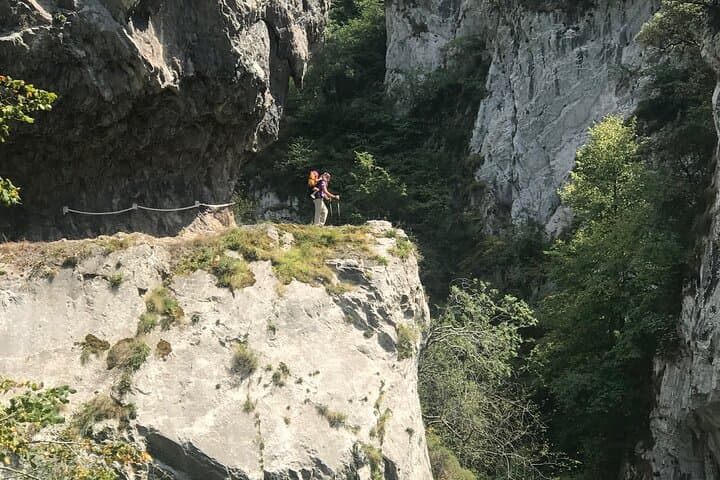
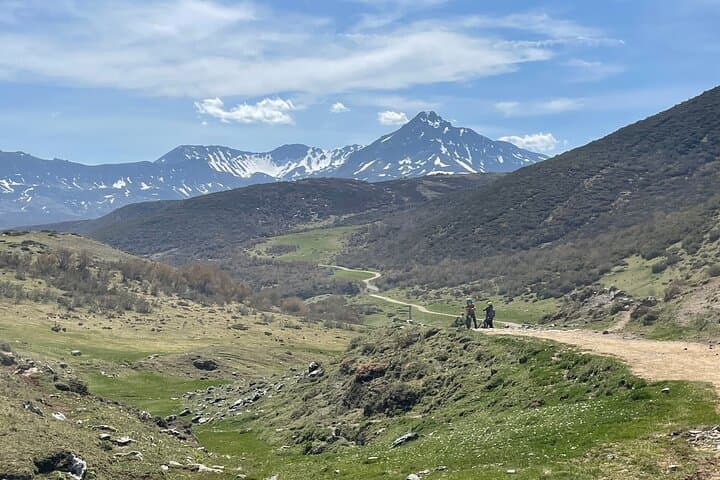
Expect a mix of established PR footpaths and single-track hiking: the Ruta del Cares offers exposed walking on carved paths, while approaches to Pico Ausente and Requejines add steep, sustained ascents and panoramic lake basins such as Lago del Ausente. You’ll cross mixed terrain—gravel tracks, rocky switchbacks, and grassy cols—typically between 1,000–2,000 m elevation.
Practically: distribute effort across daily stages, start hikes early to avoid afternoon storms, and hydrate frequently—streams run clear but treat water. Footwear with stiff soles and secure ankle support makes steep descents easier; gaiters help in late snow patches. Weather shifts fast on these Cantabrian slopes—carry layers and a reliable rain shell. Navigation follows marked PR routes but a basic map, phone with offline maps, and a compass are wise.
This itinerary suits trekkers wanting immersive mountain terrain without technical climbing; it balances iconic vistas with quieter valley walks, giving a full sense of Picos de Europa’s rugged character and local mountain life.
moderate.
5–6 days.
Moderate fitness: regular hikers comfortable with 6–10 hour days and sustained uphill/downhill sections
You should have moderate fitness—able to hike 10–18 km and 600–1,000 m elevation gain in a day without strain.
No technical climbing gear is needed; routes follow marked trails and mountain paths, though some sections are steep and exposed.
Overnights are in rural apartments in Puebla de Lillo, offering basic comforts and local dinners included.
Weather can change quickly—warm sun, wind, and sudden showers are typical; check forecasts and pack layers and waterproofs.
The Picos developed from ancient seabeds uplifted during the Alpine orogeny; local villages maintain long shepherding traditions and seasonal mountain grazing routes.
Parts of the Picos de Europa are protected as a national park—stick to trails, avoid disturbing grazing areas, and pack out all waste to limit impact.
Pedro Robalo operates guided outdoor trips and adventures with an emphasis on safety, stewardship, and memorable experiences.
You step out of the minivan into crisp mountain air, limestone cliffs folding upward like pages in a geological atlas. Trails thread through silver-barked birch and beech, and the Cares gorge narrows ahead, the river daring you to follow its carved route through the massif.
You step out of the minivan into crisp mountain air, limestone cliffs folding upward like pages in a geological atlas. Trails thread through silver-barked birch and beech, and the Cares gorge narrows ahead, the river daring you to follow its carved route through the massif.
This trek traces lesser-used valleys and classic highlights across the western Picos de Europa and neighboring Cantabrian slopes. The ranges formed by ancient seabeds and later uplift display sheer calcareous faces, karst plateaus and glacial cirques; villages like Puebla de Lillo and Soto de Sajambre show rural mountain culture born of shepherding and seasonal transhumance.
Expect a mix of established PR footpaths and single-track hiking: the Ruta del Cares offers exposed walking on carved paths, while approaches to Pico Ausente and Requejines add steep, sustained ascents and panoramic lake basins such as Lago del Ausente. You’ll cross mixed terrain—gravel tracks, rocky switchbacks, and grassy cols—typically between 1,000–2,000 m elevation.
Practically: distribute effort across daily stages, start hikes early to avoid afternoon storms, and hydrate frequently—streams run clear but treat water. Footwear with stiff soles and secure ankle support makes steep descents easier; gaiters help in late snow patches. Weather shifts fast on these Cantabrian slopes—carry layers and a reliable rain shell. Navigation follows marked PR routes but a basic map, phone with offline maps, and a compass are wise.
This itinerary suits trekkers wanting immersive mountain terrain without technical climbing; it balances iconic vistas with quieter valley walks, giving a full sense of Picos de Europa’s rugged character and local mountain life.