THE ADVENTURE COLLECTIVE® · Independent discovery and booking for outdoor travel

A compact six-day route through the high Andes, this trip pairs Cusco’s Inca-era sites and the Urubamba Valley with a guided visit to Machu Picchu and a cultural boat tour of Lake Titicaca’s Uros and Taquile islands. Expect high-altitude walks, a scenic train, and rich cultural encounters.
A compact six-day route through the high Andes, this trip pairs Cusco’s Inca-era sites and the Urubamba Valley with a guided visit to Machu Picchu and a cultural boat tour of Lake Titicaca’s Uros and Taquile islands. Expect high-altitude walks, a scenic train, and rich cultural encounters.
You step off the plane in Cusco and the high Andes greet you with thin air and a hard, clear light that makes stone edges look sharp enough to touch. Cobblestone streets lead from colonial balconies into the plaza where llamas and vendors share space; within days you'll trade those alleys for terraced fields, cloud-tipped ruins and a vast inland sea that seems to push back at the sky.
Verified experiences and guided adventures in the surrounding area.
Operated by FLY CUSCO Perú Travel Agency · Cusco, Cusco
You step off the plane in Cusco and the high Andes greet you with thin air and a hard, clear light that makes stone edges look sharp enough to touch. Cobblestone streets lead from colonial balconies into the plaza where llamas and vendors share space; within days you'll trade those alleys for terraced fields, cloud-tipped ruins and a vast inland sea that seems to push back at the sky.
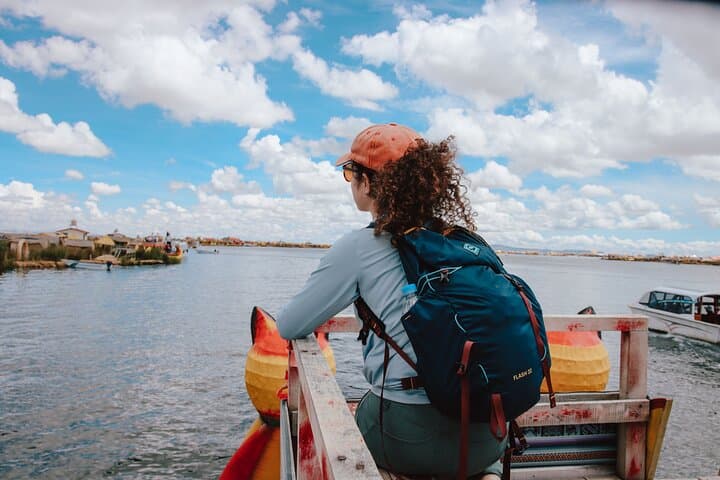
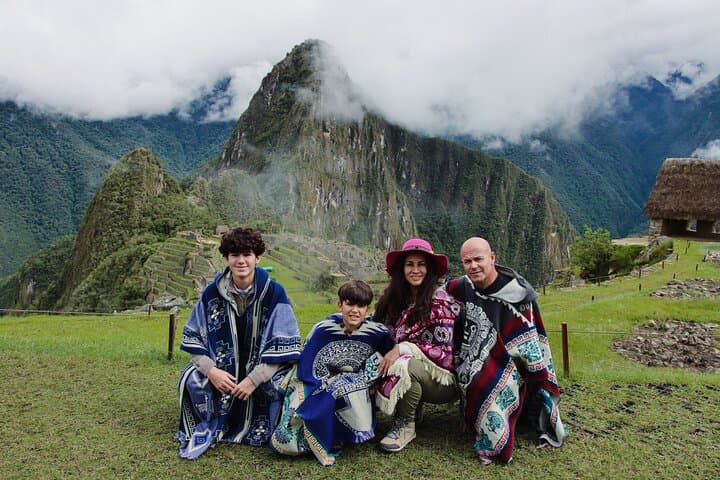
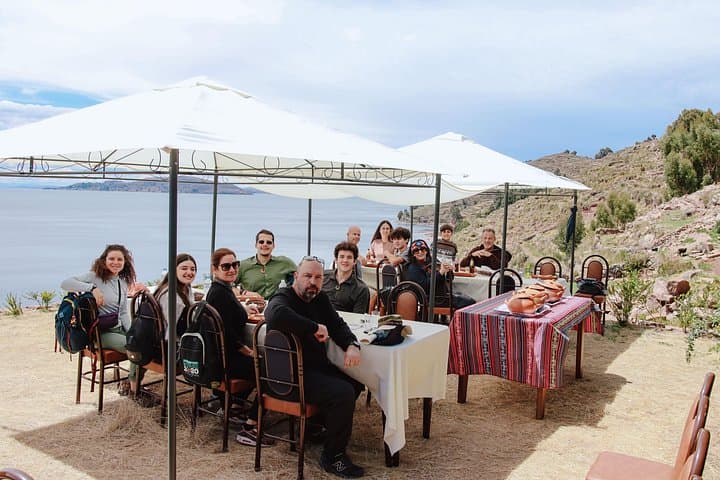
This six-day loop threads the core chapters of Andean history: the Inca agricultural experiments at Moray, the salt pans of Maras, the living fortress of Ollantaytambo and the carefully placed stones of Machu Picchu—an engineered city set where geology and ritual intersect. On Lake Titicaca you cross to Uros reed islands and Taquile, where textile patterns still record social roles and ancestral knowledge.
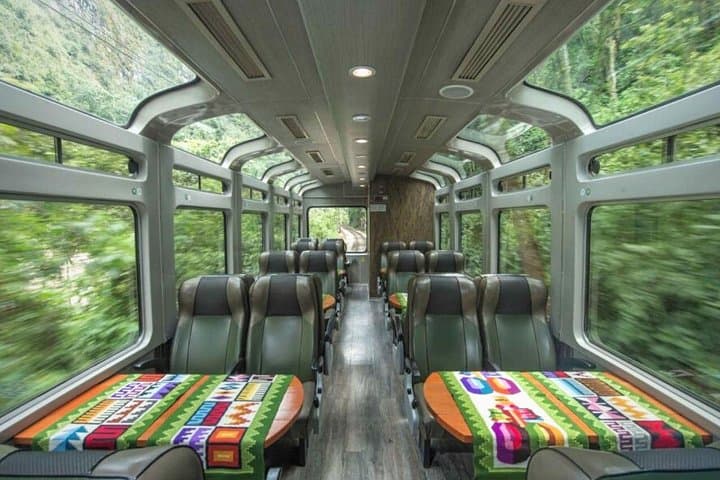
Expect a mix of easy walks at high altitude, guided archaeological interpretation, a scenic train ride through the Urubamba canyon and motorboat crossings on Titicaca. Terrain varies from river valleys and stepped terraces to rickety village docks; daylight can shift from blazing sun to sudden showers, especially December–March.
Practical edge: acclimatize 24–48 hours in Cusco, carry photocopies of passport data for Machu Picchu admission, and book Machu Picchu circuit tickets well in advance. Bring layered clothing, a reliable pair of walking shoes, sunscreen and a refillable water bottle. Pace yourself—the Andes reward curiosity, not haste.
moderate.
6 days.
Moderate fitness: comfortable walking on uneven paths at high elevation and short stair climbs; not technical but expect sustained walking and stair sections.
Yes—Machu Picchu tickets require full passport details that must match your ID; bring the same passport used when booking.
The guided circuit involves walking on uneven stone steps and slopes; it's strenuous in spots but manageable for most with reasonable fitness and acclimatization.
Trains allow limited luggage; larger bags are often stored at hotels in Ollantaytambo or Cusco—pack an overnight bag for Aguas Calientes if staying there one night.
The water is very cold and oxygen-poor at high altitude; swimming is not recommended—boat tours focus on cultural visits to islands rather than water activities.
The Sacred Valley was a strategic agricultural and ceremonial corridor for the Inca; the Uros made floating reed islands centuries ago as a defensive and adaptive response to conflict and lake conditions.
Visitor limits and timed ticketing at Machu Picchu help reduce erosion and crowding; reed islands are vulnerable to overuse and require responsible tourism practices and support for local conservation efforts.
FLY CUSCO Perú Travel Agency operates guided outdoor trips and adventures with an emphasis on safety, stewardship, and memorable experiences.
You step off the plane in Cusco and the high Andes greet you with thin air and a hard, clear light that makes stone edges look sharp enough to touch. Cobblestone streets lead from colonial balconies into the plaza where llamas and vendors share space; within days you'll trade those alleys for terraced fields, cloud-tipped ruins and a vast inland sea that seems to push back at the sky.
You step off the plane in Cusco and the high Andes greet you with thin air and a hard, clear light that makes stone edges look sharp enough to touch. Cobblestone streets lead from colonial balconies into the plaza where llamas and vendors share space; within days you'll trade those alleys for terraced fields, cloud-tipped ruins and a vast inland sea that seems to push back at the sky.
This six-day loop threads the core chapters of Andean history: the Inca agricultural experiments at Moray, the salt pans of Maras, the living fortress of Ollantaytambo and the carefully placed stones of Machu Picchu—an engineered city set where geology and ritual intersect. On Lake Titicaca you cross to Uros reed islands and Taquile, where textile patterns still record social roles and ancestral knowledge.
Expect a mix of easy walks at high altitude, guided archaeological interpretation, a scenic train ride through the Urubamba canyon and motorboat crossings on Titicaca. Terrain varies from river valleys and stepped terraces to rickety village docks; daylight can shift from blazing sun to sudden showers, especially December–March.
Practical edge: acclimatize 24–48 hours in Cusco, carry photocopies of passport data for Machu Picchu admission, and book Machu Picchu circuit tickets well in advance. Bring layered clothing, a reliable pair of walking shoes, sunscreen and a refillable water bottle. Pace yourself—the Andes reward curiosity, not haste.