THE ADVENTURE COLLECTIVE® · Independent discovery and booking for outdoor travel

Catch Himalayan sunrises, stay with a local homestay, and hike hidden waterfalls on this three-day Nagarkot package. It blends gentle village walks, a guided waterfall trail and cultural immersion in the Tamang heartland.
Catch Himalayan sunrises, stay with a local homestay, and hike hidden waterfalls on this three-day Nagarkot package. It blends gentle village walks, a guided waterfall trail and cultural immersion in the Tamang heartland.
You wake before dawn and the village is quiet: smoke from wood stoves threads through cool mountain air while the eastern sky sharpens into a band of pale gold. At the viewpoint people gather in silence as the first Himalayan peaks—the white ridgelines of the Langtang and Ganesh ranges on clear days—push their crowns above a low sea of cloud.
Verified experiences and guided adventures in the surrounding area.
Operated by Community Homestay Network · Nagarkot, Bagmati Province
You wake before dawn and the village is quiet: smoke from wood stoves threads through cool mountain air while the eastern sky sharpens into a band of pale gold. At the viewpoint people gather in silence as the first Himalayan peaks—the white ridgelines of the Langtang and Ganesh ranges on clear days—push their crowns above a low sea of cloud.
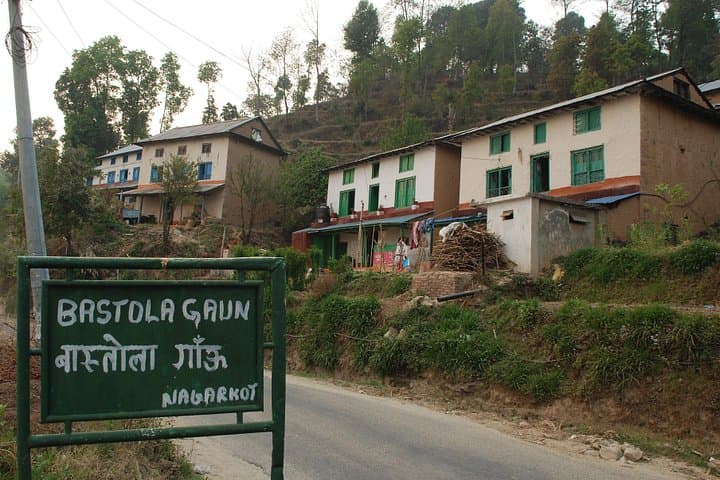
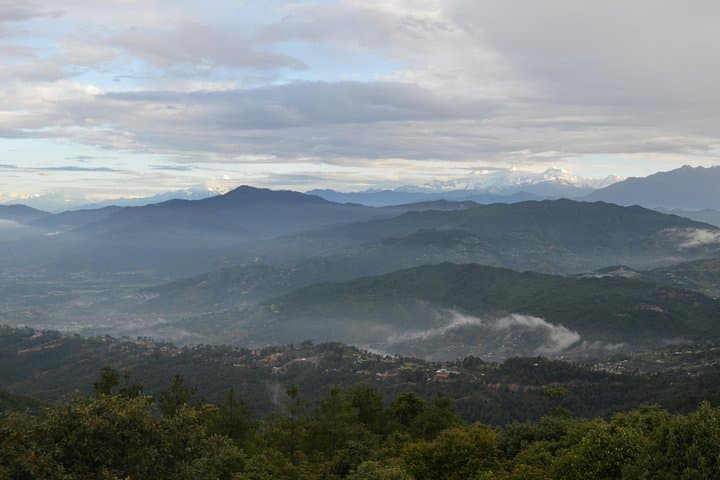
Nagarkot sits at roughly 2,175 m on the rim of the Kathmandu Valley; its slopes are a mix of terraced fields, scattered pine and oak, and small Tamang villages with houses carved from local timber. The area’s geology is steeped in Himalayan uplift—folded, faulted rock shaped by the collision of the Indian and Eurasian plates—so trails can switch from compact dirt to loose scree where streams cut gullies.
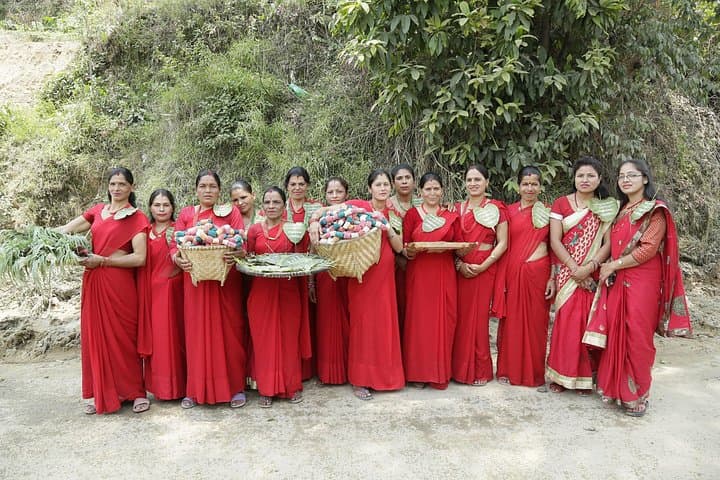
This three-day experience pairs easy village walks (3–3.5 hours), a 3–4 hour guided waterfall hike (about 6 km round-trip, ~200–300 m elevation change) and cultural time with a host family. Expect hands-on cooking, a Hatha yoga session, a visit to Jalpa Devi Temple and a craft stop in medieval Bhaktapur. Guides introduce local Tamang customs and explain how seasonal agriculture shapes daily life.
Practical edge: mornings are cold—plan layers—and visibility for sunrise is weather-dependent (best Oct–Dec and Mar–Apr). Trails are mostly well-worn but uneven; solid hiking shoes and water are essential. Allow time to move slowly on descents, carry cash for small purchases, and leave extra time if you want to linger at viewpoints or with artisans.
moderate.
3 days (daily activity 3–6 hours).
Suitable for travelers with moderate fitness who can handle several hours of walking on uneven terrain and short elevation changes.
Nagarkot is around 2,175 m (7,136 ft); most travelers experience only mild effects—take it easy the first day, stay hydrated, and avoid strenuous exertion on arrival.
Full board is included for the homestay nights; hosts can usually accommodate common dietary needs if notified in advance during booking.
The waterfall hike is graded moderate—about 3–4 hours with uneven footing and ~200–300 m of elevation change, guided at a steady, accessible pace.
No—sunrise visibility depends on weather and seasonal haze; fall and spring typically offer the clearest views, but guides will recommend the best windows.
Nagarkot developed as a lookout for Kathmandu Valley and later as a hill station; nearby Bhaktapur preserves Newar urban architecture and centuries-old woodcarving traditions.
Stay on marked trails, avoid single-use plastics, and support homestays that use local food and responsible waste practices to reduce visitor impact.
Community Homestay Network operates guided outdoor trips and adventures with an emphasis on safety, stewardship, and memorable experiences.
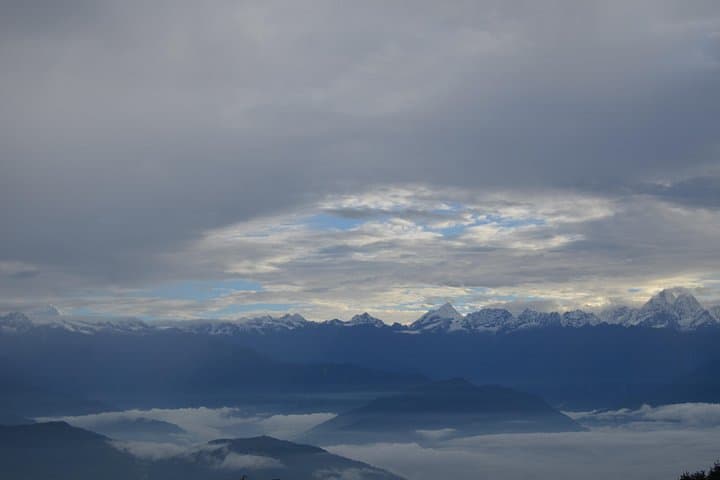
You wake before dawn and the village is quiet: smoke from wood stoves threads through cool mountain air while the eastern sky sharpens into a band of pale gold. At the viewpoint people gather in silence as the first Himalayan peaks—the white ridgelines of the Langtang and Ganesh ranges on clear days—push their crowns above a low sea of cloud.
You wake before dawn and the village is quiet: smoke from wood stoves threads through cool mountain air while the eastern sky sharpens into a band of pale gold. At the viewpoint people gather in silence as the first Himalayan peaks—the white ridgelines of the Langtang and Ganesh ranges on clear days—push their crowns above a low sea of cloud.
Nagarkot sits at roughly 2,175 m on the rim of the Kathmandu Valley; its slopes are a mix of terraced fields, scattered pine and oak, and small Tamang villages with houses carved from local timber. The area’s geology is steeped in Himalayan uplift—folded, faulted rock shaped by the collision of the Indian and Eurasian plates—so trails can switch from compact dirt to loose scree where streams cut gullies.
This three-day experience pairs easy village walks (3–3.5 hours), a 3–4 hour guided waterfall hike (about 6 km round-trip, ~200–300 m elevation change) and cultural time with a host family. Expect hands-on cooking, a Hatha yoga session, a visit to Jalpa Devi Temple and a craft stop in medieval Bhaktapur. Guides introduce local Tamang customs and explain how seasonal agriculture shapes daily life.
Practical edge: mornings are cold—plan layers—and visibility for sunrise is weather-dependent (best Oct–Dec and Mar–Apr). Trails are mostly well-worn but uneven; solid hiking shoes and water are essential. Allow time to move slowly on descents, carry cash for small purchases, and leave extra time if you want to linger at viewpoints or with artisans.