THE ADVENTURE COLLECTIVE® · Independent discovery and booking for outdoor travel

Cover Lebanon’s highlights in six days: Roman temples at Baalbek, the subterranean wonder of Jeita Grotto, cedar forests and ancient Phoenician ports with hotel pickup and select meals included. A practical, paced introduction to the country’s geology, history and coastal culture.
Cover Lebanon’s highlights in six days: Roman temples at Baalbek, the subterranean wonder of Jeita Grotto, cedar forests and ancient Phoenician ports with hotel pickup and select meals included. A practical, paced introduction to the country’s geology, history and coastal culture.
You step off the minibus into a sun-baked courtyard in Byblos, wind carrying the salt of the Mediterranean and calls from the old souk. Over the next six days you trace Lebanon’s coastline and interior — from Roman colonnades at Baalbek to the limestone caverns of Jeita, from cedar-forested heights to Phoenician ports — with a compact group and an English-speaking guide.
Verified experiences and guided adventures in the surrounding area.
Operated by Lebanon Tours Online · Beirut, Beirut Governorate
You step off the minibus into a sun-baked courtyard in Byblos, wind carrying the salt of the Mediterranean and calls from the old souk. Over the next six days you trace Lebanon’s coastline and interior — from Roman colonnades at Baalbek to the limestone caverns of Jeita, from cedar-forested heights to Phoenician ports — with a compact group and an English-speaking guide.
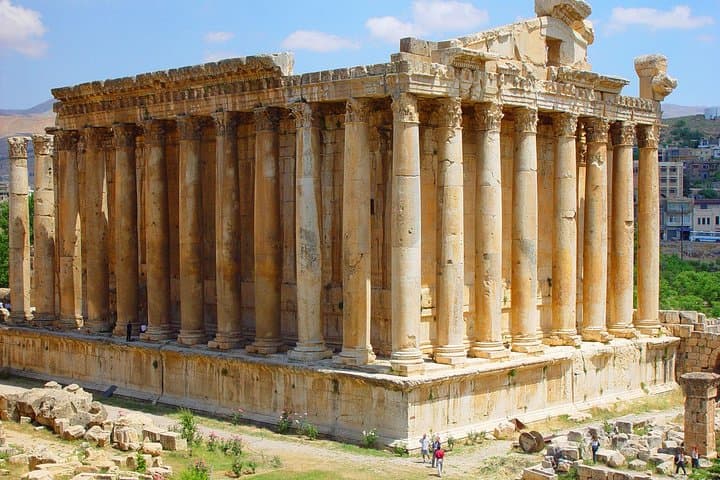
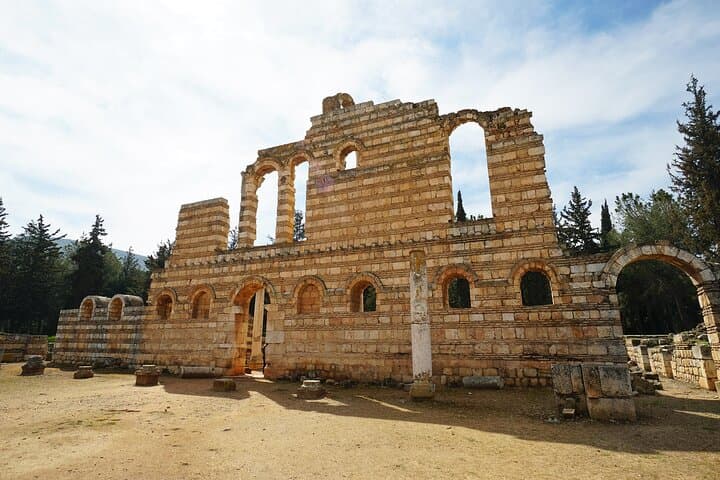
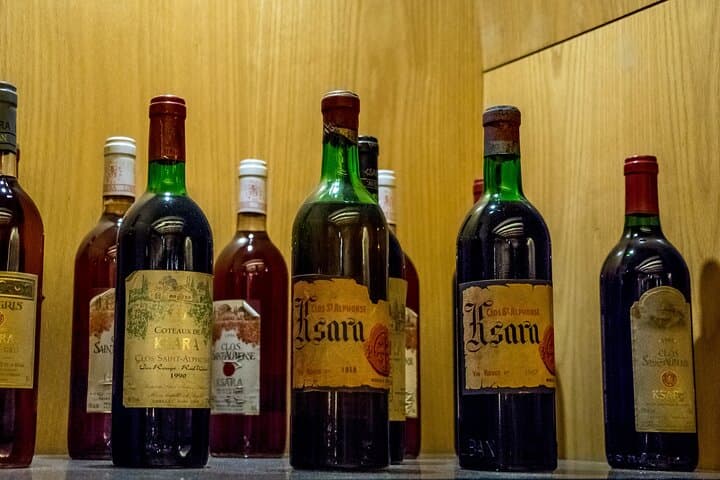
This itinerary stitches together layers of history: Phoenician shipbuilding and purple dye production in Tyre, Roman temple complexes in the Bekaa, Umayyad ruins at Anjar and the Crusader footprints at Sidon. Geology writes itself across the route — karst limestone that carved Jeita’s grottoes, the alluvial plains of the Bekaa and the uplifted limestone ridges that support ancient cedar stands. Culture is immediate: market calls, coastal fishing boats, and the country’s long wine-making tradition visible in the terraces of Chateau Ksara.
Practicalities are straightforward: accommodation is centrally located in Beirut, breakfasts and several lunches are included, and airport transfers are provided. Daytime pacing ranges from short guided walks through archaeological sites to cable-car viewpoints and cellar tours where surfaces can be uneven; comfortable walking shoes and modest dress for religious sites are sensible. Expect variable microclimates — coastal warmth, cooler mountain air — so layer clothing and keep water on hand.
This tour balances relaxed travel with sustained exploration, ideal for travelers who want broad exposure to Lebanon’s heritage, landscape and flavors without heavy trekking or specialized equipment.
easy.
6 days.
General travel fitness; able to walk short to moderate distances on uneven ground and tolerate 3–4 hours of daytime touring.
Yes — round-trip transfers between Beirut Airport and your Beirut hotel are included.
The tour includes 5 breakfasts and 4 lunches; other meals are at your own expense so you can sample local restaurants.
Yes; infant seats are available and the itinerary is rated suitable for all fitness levels, but check pickup logistics and ages when booking.
Some admissions, like Jeita Grotto and Baalbek, are included on the listed days; specific entries noted in the itinerary are covered, but verify for optional activities.
Lebanon’s coastal cities like Byblos and Tyre are among the oldest continuously inhabited ports in the Mediterranean, with layers of Phoenician, Roman, Byzantine and Ottoman occupation.
The Cedars of God are a protected remnant; visitors are asked to stay on paths and minimize disturbance. Karst sites like Jeita are sensitive to water quality and local conservation efforts limit impact.
Lebanon Tours Online operates guided outdoor trips and adventures with an emphasis on safety, stewardship, and memorable experiences.

You step off the minibus into a sun-baked courtyard in Byblos, wind carrying the salt of the Mediterranean and calls from the old souk. Over the next six days you trace Lebanon’s coastline and interior — from Roman colonnades at Baalbek to the limestone caverns of Jeita, from cedar-forested heights to Phoenician ports — with a compact group and an English-speaking guide.
You step off the minibus into a sun-baked courtyard in Byblos, wind carrying the salt of the Mediterranean and calls from the old souk. Over the next six days you trace Lebanon’s coastline and interior — from Roman colonnades at Baalbek to the limestone caverns of Jeita, from cedar-forested heights to Phoenician ports — with a compact group and an English-speaking guide.
This itinerary stitches together layers of history: Phoenician shipbuilding and purple dye production in Tyre, Roman temple complexes in the Bekaa, Umayyad ruins at Anjar and the Crusader footprints at Sidon. Geology writes itself across the route — karst limestone that carved Jeita’s grottoes, the alluvial plains of the Bekaa and the uplifted limestone ridges that support ancient cedar stands. Culture is immediate: market calls, coastal fishing boats, and the country’s long wine-making tradition visible in the terraces of Chateau Ksara.
Practicalities are straightforward: accommodation is centrally located in Beirut, breakfasts and several lunches are included, and airport transfers are provided. Daytime pacing ranges from short guided walks through archaeological sites to cable-car viewpoints and cellar tours where surfaces can be uneven; comfortable walking shoes and modest dress for religious sites are sensible. Expect variable microclimates — coastal warmth, cooler mountain air — so layer clothing and keep water on hand.
This tour balances relaxed travel with sustained exploration, ideal for travelers who want broad exposure to Lebanon’s heritage, landscape and flavors without heavy trekking or specialized equipment.