THE ADVENTURE COLLECTIVE® · Independent discovery and booking for outdoor travel

Five days across Kathmandu Valley take you from Nagarkot sunrises to centuries-old stupas and palace squares. Expect easy walking, short hikes and deep cultural context guided through UNESCO sites.
Five days across Kathmandu Valley take you from Nagarkot sunrises to centuries-old stupas and palace squares. Expect easy walking, short hikes and deep cultural context guided through UNESCO sites.
Dawn warms the ridgeline above Nagarkot and the Himalayan skyline sharpens from gray to gold as you stand on the tower watching peaks punch through a thinning cloud layer.
Verified experiences and guided adventures in the surrounding area.
Operated by Liberty Holidays · Kathmandu, Bagmati Province
Dawn warms the ridgeline above Nagarkot and the Himalayan skyline sharpens from gray to gold as you stand on the tower watching peaks punch through a thinning cloud layer.
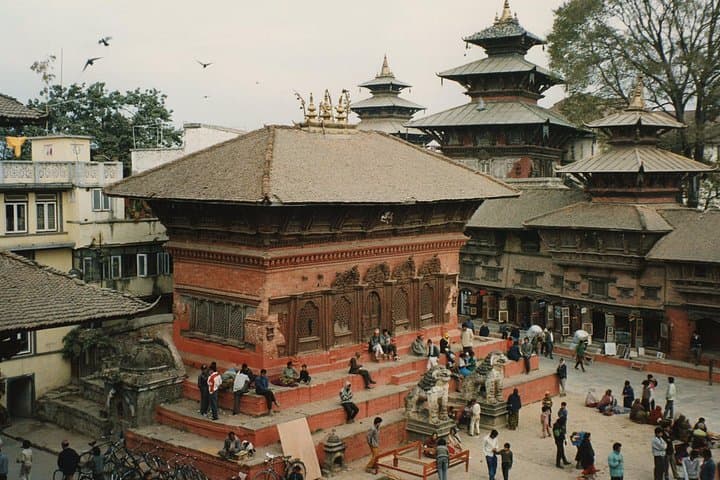
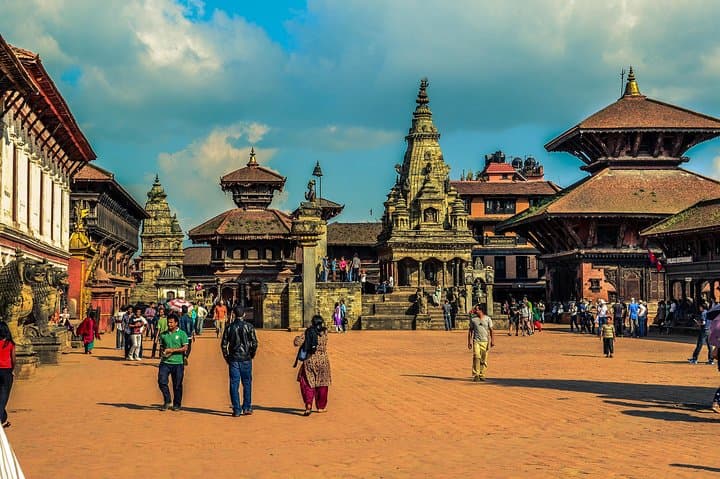
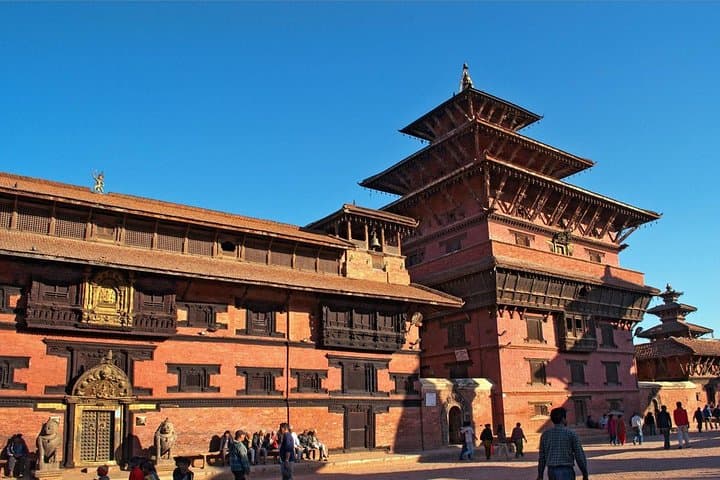
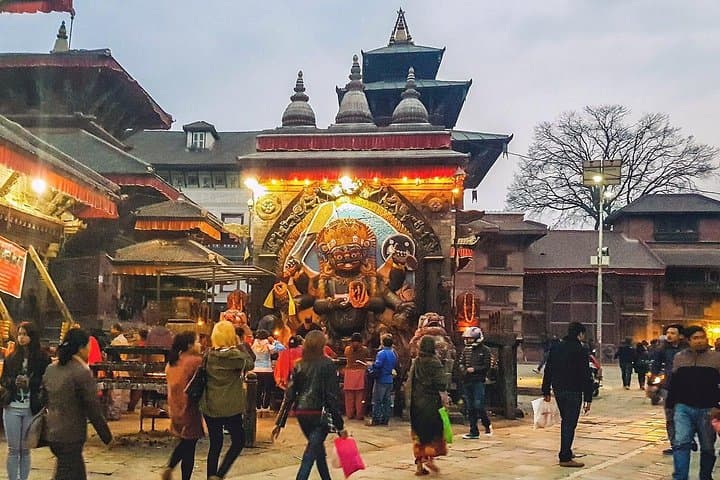
This five-day loop moves from that sunrise moment into the living history of Kathmandu Valley: Pashupatinath’s copper-roofed pagoda, Boudhanath’s immense white stupa with prayer-flagged circumambulators, and the hilltop eyes of Swayambhunath watching the city. The valley itself is a river-carved basin of alluvial soils hemmed by ridges; its cities grew where trade routes from Tibet and India converged. Sites like Changu Narayan trace back to the Licchavi period, and the three Durbar Squares—Kathmandu, Patan and Bhaktapur—hold centuries of Newar art, woodwork and stone carving, much restored after the 2015 quake.
You’ll cross cobbled courtyards, temple stairways and short village trails: expect paved streets, irregular stone steps and a 3‑hour hillside hike from Telkot to Changu Narayan. Culture here is active—priests, monks, vendors and potters shape the daily rhythm; follow local customs at shrines and use your guide to interpret iconography and social norms.
Practical notes: altitude is modest (1,300–2,175 m), so acclimatization is minimal but mornings are cold—pack layers. Plan early starts for Nagarkot sunrises, wear grippy shoes for temple steps, and carry water and small local currency for markets and donations. The tour groups entrances and transfers are usually included; confirm pick-up times and hotel standard in advance.
moderate.
5 days.
Light-to-moderate fitness; able to walk 2–4 hours a day on uneven pavement and a single 3-hour uphill hike.
Yes—pace is gentle and organizers list the tour as suitable for all fitness levels; children should be supervised at temple steps and busy markets.
No special permits are required for Kathmandu Valley sightseeing; ensure routine vaccinations are up to date and consult travel health advice for Nepal if coming from abroad.
Temperatures can be chilly, especially October–March; expect single-digit Celsius at dawn and bring an insulating layer and windproof jacket.
This itinerary states that all entrance fees are included—confirm on booking and keep small cash for incidental local fees or donations.
Kathmandu Valley’s major sites span Licchavi and Malla dynasties; many temples and squares are UNESCO-listed for their unique Newar architecture and cultural continuity.
Visitor pressure and earthquake damage have stressed heritage sites—support local guides, avoid littering, and respect restricted restoration areas to reduce impact.
Liberty Holidays operates guided outdoor trips and adventures with an emphasis on safety, stewardship, and memorable experiences.
Dawn warms the ridgeline above Nagarkot and the Himalayan skyline sharpens from gray to gold as you stand on the tower watching peaks punch through a thinning cloud layer.
Dawn warms the ridgeline above Nagarkot and the Himalayan skyline sharpens from gray to gold as you stand on the tower watching peaks punch through a thinning cloud layer.
This five-day loop moves from that sunrise moment into the living history of Kathmandu Valley: Pashupatinath’s copper-roofed pagoda, Boudhanath’s immense white stupa with prayer-flagged circumambulators, and the hilltop eyes of Swayambhunath watching the city. The valley itself is a river-carved basin of alluvial soils hemmed by ridges; its cities grew where trade routes from Tibet and India converged. Sites like Changu Narayan trace back to the Licchavi period, and the three Durbar Squares—Kathmandu, Patan and Bhaktapur—hold centuries of Newar art, woodwork and stone carving, much restored after the 2015 quake.
You’ll cross cobbled courtyards, temple stairways and short village trails: expect paved streets, irregular stone steps and a 3‑hour hillside hike from Telkot to Changu Narayan. Culture here is active—priests, monks, vendors and potters shape the daily rhythm; follow local customs at shrines and use your guide to interpret iconography and social norms.
Practical notes: altitude is modest (1,300–2,175 m), so acclimatization is minimal but mornings are cold—pack layers. Plan early starts for Nagarkot sunrises, wear grippy shoes for temple steps, and carry water and small local currency for markets and donations. The tour groups entrances and transfers are usually included; confirm pick-up times and hotel standard in advance.