THE ADVENTURE COLLECTIVE® · Independent discovery and booking for outdoor travel

An eight-day private loop from Amman that stitches Roman ruins, Byzantine mosaics, Petra’s rose-red facades, a night under Wadi Rum’s stars, and Dead Sea float time into one streamlined itinerary. Practical, paced, and steeped in history.
An eight-day private loop from Amman that stitches Roman ruins, Byzantine mosaics, Petra’s rose-red facades, a night under Wadi Rum’s stars, and Dead Sea float time into one streamlined itinerary. Practical, paced, and steeped in history.
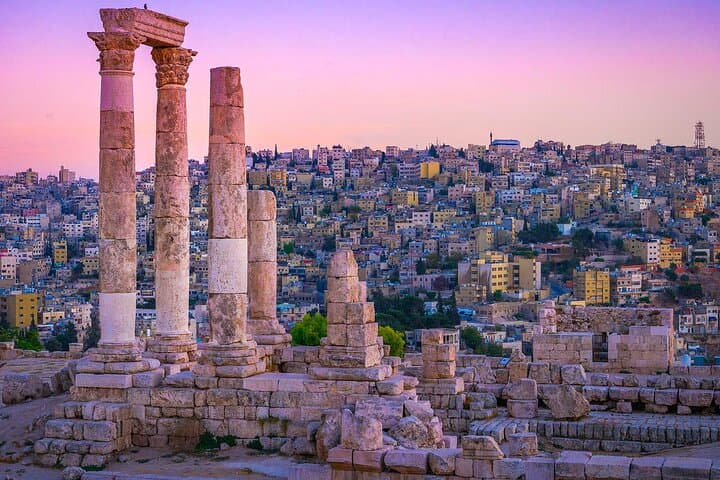
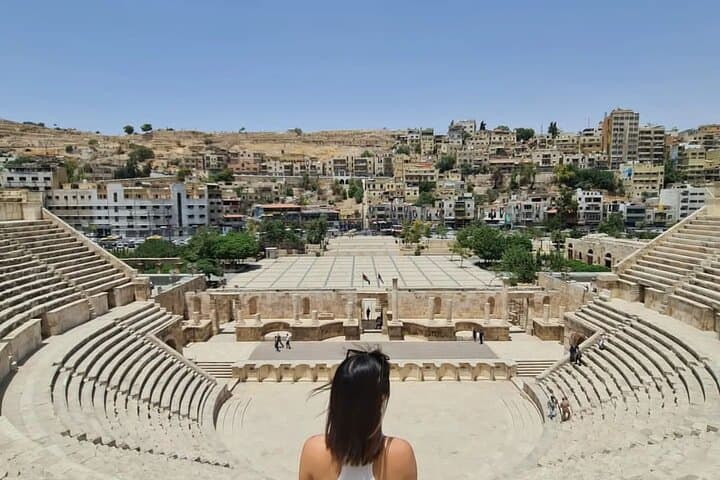
A low, honey-colored sunrise slides over Amman as the city exhales and the tour van rolls south. For eight days travelers trace Jordan’s layered story—Roman colonnades, Byzantine mosaics, Nabatean rock faces, and the flat, glassy hush of the Dead Sea—each stop a different chapter in a landscape that keeps moving beneath your feet.
Verified experiences and guided adventures in the surrounding area.
Operated by Tour Experts · Amman, Amman Governorate
A low, honey-colored sunrise slides over Amman as the city exhales and the tour van rolls south. For eight days travelers trace Jordan’s layered story—Roman colonnades, Byzantine mosaics, Nabatean rock faces, and the flat, glassy hush of the Dead Sea—each stop a different chapter in a landscape that keeps moving beneath your feet.
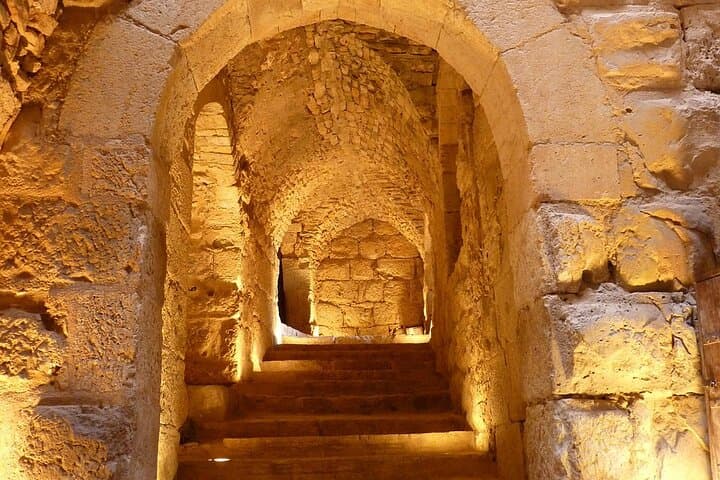
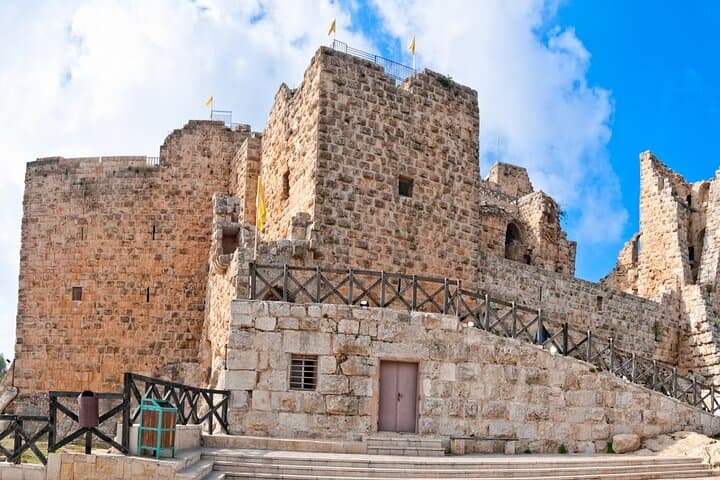
On day two the pine-clad hills around Ajlun and the stone ribs of its 12th‑century Ayyubid castle give way to Jerash, where curved streets and towering columns still perform their old Roman gestures. In Madaba, mosaics map biblical routes in tesserae; a short drive higher brings visitors to Mount Nebo (≈817 m), where the desert breathes toward the Dead Sea’s mirror—at roughly −430 m, a geographic low that seems to pull light into itself.
Petra’s rose sandstone is the itinerary’s emotional peak. Walking the Siq feels like passing from one era into another as the canyon releases the Treasury in a slow reveal; the city’s facades were carved by Nabatean hands beginning in the 2nd century BCE. Days in Wadi Rum transform scale: wind-sculpted arches and granite towers cast long shadows, and at dusk the desert pushes color across the sky. The final island of red and blue is Aqaba, where the Red Sea invites snorkeling around coral reefs before the drive back to Queen Alia International Airport.
Geologically the trip reads like a field guide: limestone terraces, sandstone cliffs, evaporite crusts at the Dead Sea, and wind-polished granite in Wadi Rum. Culturally, it stitches together Jordan’s crowd-pleasers with quieter local rhythms—Bedouin camps in the desert, fishermen in Aqaba, and mosaic workshops in Madaba.
Practicalities are straightforward. The itinerary covers long drives—expect approximately 3–4 hours between major hubs (Dead Sea to Petra, Petra to Wadi Rum/Aqaba)—so comfort on the van matters. Footwear should handle uneven stone; breathable layers are essential for desert days and cooler high-elevation mornings. Hydration is non-negotiable: bottled water is supplied, but carry a refillable bottle. For the Dead Sea, bring swimwear and water shoes—the salt can sting open cuts and the shore is slippery. Night temperatures in Wadi Rum can drop; pack a warm layer and a headlamp for camp.
This private tour balances history, geology, and leisure: a floating day at the Dead Sea, a full afternoon in Petra, a sunset in Wadi Rum, and a snorkel day in Aqaba. For travelers wanting a curated introduction to Jordan—with logistics handled and surprises still allowed—this route does what it promises: it moves slowly enough to notice, and quickly enough to cover a country of wide horizons.
moderate.
8 days.
Suitable for travelers with average fitness; expect multiple short walks (1–4 hours) and several long drives between sites.
Entrance fees for major sites vary; some admissions are included per itinerary notes, but travelers should confirm which tickets are covered at booking and budget extra for Petra and Wadi Rum where applicable.
Yes—floating is safe for healthy skin, but avoid getting water in eyes or open wounds due to high salinity; rinse off with fresh water afterward.
The tour is moderate: most days involve walking 1–4 hours over uneven ground; it's suitable for travelers who can manage stairs and short hikes.
Yes—options range from VIP to luxury martian tents with bedding and facilities; expect rustic elements but upgraded comfort depending on the chosen package.
Many stops and transportation options are wheelchair accessible, but some historic sites (like parts of Petra) have rough terrain—discuss specific needs with the operator before booking.
Spring (March–May) and fall (September–November) offer mild temperatures and flowering hills; summer is hot, especially in the desert and Aqaba, while winter brings cooler nights and occasional rain.
This route ties together eras—from Roman Jerash’s colonnades to Nabatean Petra and Byzantine mosaics in Madaba—illustrating Jordan’s role as a crossroads of civilizations.
Water is scarce across the region; practice low-impact travel by minimizing freshwater use, disposing of waste properly, and respecting protected areas and Bedouin lands.
Tour Experts operates guided outdoor trips and adventures with an emphasis on safety, stewardship, and memorable experiences.
A low, honey-colored sunrise slides over Amman as the city exhales and the tour van rolls south. For eight days travelers trace Jordan’s layered story—Roman colonnades, Byzantine mosaics, Nabatean rock faces, and the flat, glassy hush of the Dead Sea—each stop a different chapter in a landscape that keeps moving beneath your feet.
A low, honey-colored sunrise slides over Amman as the city exhales and the tour van rolls south. For eight days travelers trace Jordan’s layered story—Roman colonnades, Byzantine mosaics, Nabatean rock faces, and the flat, glassy hush of the Dead Sea—each stop a different chapter in a landscape that keeps moving beneath your feet.
On day two the pine-clad hills around Ajlun and the stone ribs of its 12th‑century Ayyubid castle give way to Jerash, where curved streets and towering columns still perform their old Roman gestures. In Madaba, mosaics map biblical routes in tesserae; a short drive higher brings visitors to Mount Nebo (≈817 m), where the desert breathes toward the Dead Sea’s mirror—at roughly −430 m, a geographic low that seems to pull light into itself.
Petra’s rose sandstone is the itinerary’s emotional peak. Walking the Siq feels like passing from one era into another as the canyon releases the Treasury in a slow reveal; the city’s facades were carved by Nabatean hands beginning in the 2nd century BCE. Days in Wadi Rum transform scale: wind-sculpted arches and granite towers cast long shadows, and at dusk the desert pushes color across the sky. The final island of red and blue is Aqaba, where the Red Sea invites snorkeling around coral reefs before the drive back to Queen Alia International Airport.
Geologically the trip reads like a field guide: limestone terraces, sandstone cliffs, evaporite crusts at the Dead Sea, and wind-polished granite in Wadi Rum. Culturally, it stitches together Jordan’s crowd-pleasers with quieter local rhythms—Bedouin camps in the desert, fishermen in Aqaba, and mosaic workshops in Madaba.
Practicalities are straightforward. The itinerary covers long drives—expect approximately 3–4 hours between major hubs (Dead Sea to Petra, Petra to Wadi Rum/Aqaba)—so comfort on the van matters. Footwear should handle uneven stone; breathable layers are essential for desert days and cooler high-elevation mornings. Hydration is non-negotiable: bottled water is supplied, but carry a refillable bottle. For the Dead Sea, bring swimwear and water shoes—the salt can sting open cuts and the shore is slippery. Night temperatures in Wadi Rum can drop; pack a warm layer and a headlamp for camp.
This private tour balances history, geology, and leisure: a floating day at the Dead Sea, a full afternoon in Petra, a sunset in Wadi Rum, and a snorkel day in Aqaba. For travelers wanting a curated introduction to Jordan—with logistics handled and surprises still allowed—this route does what it promises: it moves slowly enough to notice, and quickly enough to cover a country of wide horizons.