THE ADVENTURE COLLECTIVE® · Independent discovery and booking for outdoor travel

A compact, well-paced circuit through Jordan’s highlights—Amman, Jerash, Dead Sea, Petra and Wadi Rum—designed for travelers who want iconic sites without constant rush. Expect a mix of historical walking, a desert jeep ride and a buoyant Dead Sea dip.
A compact, well-paced circuit through Jordan’s highlights—Amman, Jerash, Dead Sea, Petra and Wadi Rum—designed for travelers who want iconic sites without constant rush. Expect a mix of historical walking, a desert jeep ride and a buoyant Dead Sea dip.
You step from an air‑conditioned coach into a light that seems to lift colors out of stone: the ochres of Petra, the red sweep of Wadi Rum, the low, shimmering plane of the Dead Sea. Over seven nights this route stitches together Roman colonnades, Byzantine mosaics and desert canyons, moving at a steady, traveler-friendly pace that balances time in the vehicle with on‑foot exploration.
Verified experiences and guided adventures in the surrounding area.
Operated by Zaid Tours and Travel · Amman, Amman
You step from an air‑conditioned coach into a light that seems to lift colors out of stone: the ochres of Petra, the red sweep of Wadi Rum, the low, shimmering plane of the Dead Sea. Over seven nights this route stitches together Roman colonnades, Byzantine mosaics and desert canyons, moving at a steady, traveler-friendly pace that balances time in the vehicle with on‑foot exploration.
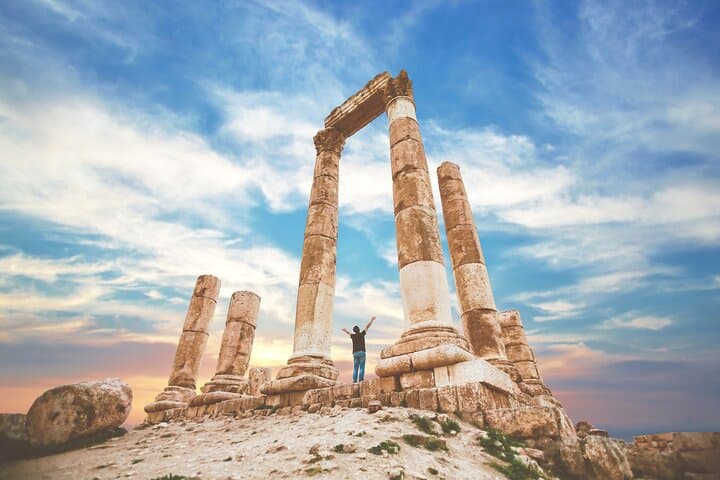
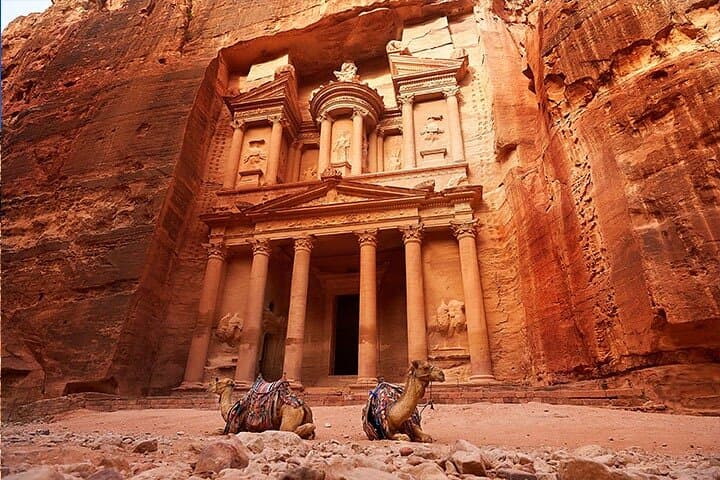
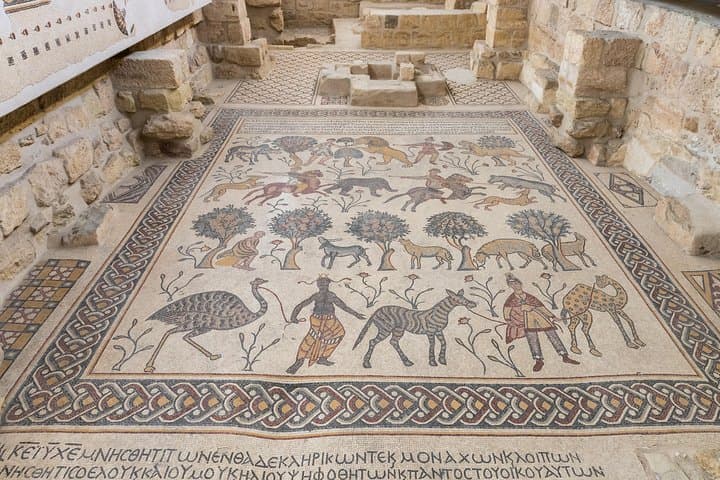
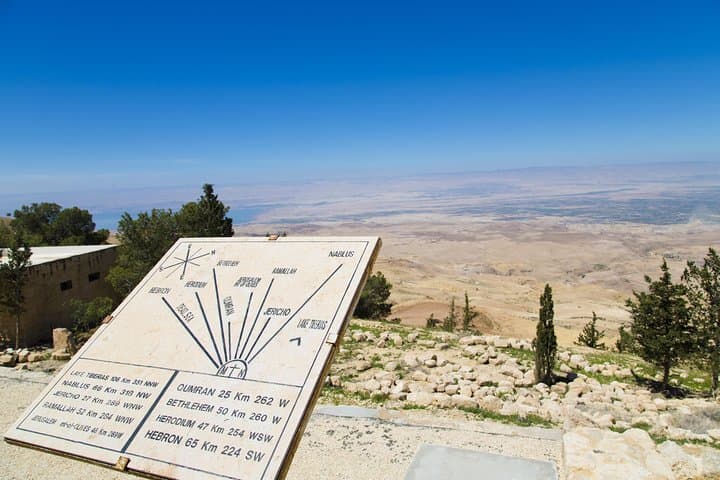
Amman’s layered history opens the tour—Citadel, Roman theater—before Jerash’s broad colonnaded streets take you back to the height of Roman provincial life. Madaba’s Saint George map and Mount Nebo sit on an older biblical geography, while Petra’s Nabatean façade is carved directly from sandstone that records millennia of wind and water erosion. Wadi Rum reads like geology on a grand scale: wind-sculpted sandstone and granite rising from desert floor, the place where T.E. Lawrence allied with Bedouin guides and where recent films have staged otherworldly landscapes.
Expect historic context at every stop, local Bedouin hospitality in desert camps, and practical variability—long drives, uneven paths through the Siq, and dusty jeep tracks through Wadi Rum. Dead Sea visits are brief but unforgettable: floating, salt on your skin, and a reminder to rinse thoroughly.
Practical guidance: travel light on day hikes, carry sun protection and at least 2 liters of water daily, and time Petra early or late to avoid peak heat and crowds. Modest clothing is recommended for towns and religious sites, and comfortable, grippy footwear will make narrow steps and loose sandstone far more manageable.
moderate.
8 days (7 nights).
Moderate fitness: able to walk 3–6 miles across uneven terrain and climb steps; comfortable with multi-hour coach transfers.
Many nationalities require a visa; some can obtain a visa on arrival while others should secure one in advance—check current entry rules and ask the operator about the free single‑entry visa exemption if eligible.
Floating is generally safe but avoid submerging your face, keep cuts covered, and rinse thoroughly after to remove salt; people with severe skin conditions or open wounds should consult a doctor first.
The itinerary notes wheelchair-accessible options and transport, but Petra and Wadi Rum include uneven paths; contact the operator ahead to arrange mobility aids or golf cart service in Petra when available.
Tipping is customary for guides, drivers and camp staff; small, local currency tips are appreciated—ask your guide for suggested amounts per service.
This route links Roman Jerash and Byzantine Madaba with the Nabatean city of Petra and the Bedouin landscapes of Wadi Rum, reflecting layers of trade, pilgrimage and desert life over millennia.
Wadi Rum and Petra are protected areas with visitor limits and designated tracks; conserve water, avoid off‑track driving, and follow local guidance to minimize impact.
Zaid Tours and Travel operates guided outdoor trips and adventures with an emphasis on safety, stewardship, and memorable experiences.
You step from an air‑conditioned coach into a light that seems to lift colors out of stone: the ochres of Petra, the red sweep of Wadi Rum, the low, shimmering plane of the Dead Sea. Over seven nights this route stitches together Roman colonnades, Byzantine mosaics and desert canyons, moving at a steady, traveler-friendly pace that balances time in the vehicle with on‑foot exploration.
You step from an air‑conditioned coach into a light that seems to lift colors out of stone: the ochres of Petra, the red sweep of Wadi Rum, the low, shimmering plane of the Dead Sea. Over seven nights this route stitches together Roman colonnades, Byzantine mosaics and desert canyons, moving at a steady, traveler-friendly pace that balances time in the vehicle with on‑foot exploration.
Amman’s layered history opens the tour—Citadel, Roman theater—before Jerash’s broad colonnaded streets take you back to the height of Roman provincial life. Madaba’s Saint George map and Mount Nebo sit on an older biblical geography, while Petra’s Nabatean façade is carved directly from sandstone that records millennia of wind and water erosion. Wadi Rum reads like geology on a grand scale: wind-sculpted sandstone and granite rising from desert floor, the place where T.E. Lawrence allied with Bedouin guides and where recent films have staged otherworldly landscapes.
Expect historic context at every stop, local Bedouin hospitality in desert camps, and practical variability—long drives, uneven paths through the Siq, and dusty jeep tracks through Wadi Rum. Dead Sea visits are brief but unforgettable: floating, salt on your skin, and a reminder to rinse thoroughly.
Practical guidance: travel light on day hikes, carry sun protection and at least 2 liters of water daily, and time Petra early or late to avoid peak heat and crowds. Modest clothing is recommended for towns and religious sites, and comfortable, grippy footwear will make narrow steps and loose sandstone far more manageable.